












Hey there! As a supplier of water heater thermostats, I've seen my fair share of issues with these little devices. One of the most common problems is when a water heater thermostat starts to go bad gradually. In this blog post, I'll share with you some of the symptoms you might notice when your water heater thermostat is on the fritz.
Inconsistent Water Temperature
One of the first signs that your water heater thermostat might be going bad is inconsistent water temperature. You might turn on the hot water tap and expect a nice, warm stream, but instead, you get a mix of hot and cold water. This can be really frustrating, especially when you're trying to take a shower or wash the dishes.
The reason for this inconsistency is that the thermostat is no longer accurately regulating the temperature of the water. It might be set to a certain temperature, but it's not able to maintain that temperature consistently. This could be due to a number of factors, such as a faulty sensor or a problem with the thermostat's wiring.
Water Too Hot or Too Cold
Another symptom of a bad water heater thermostat is water that's either too hot or too cold. If the thermostat is stuck in the "on" position, the water will keep heating up until it reaches a dangerously high temperature. This can not only be uncomfortable but also pose a safety risk, as scalding water can cause serious burns.
On the other hand, if the thermostat is stuck in the "off" position, the water won't heat up at all. You'll be left with cold water, which is definitely not ideal, especially during the winter months.

Longer Heating Times
If you notice that it's taking longer for your water heater to heat up, it could be a sign that the thermostat is going bad. A properly functioning thermostat should be able to heat the water to the desired temperature relatively quickly. However, if the thermostat is malfunctioning, it might take much longer to reach the set temperature.
This could be due to a variety of reasons, such as a faulty heating element or a problem with the thermostat's calibration. In some cases, the thermostat might be set too low, which means the water heater has to work harder to heat the water.
Strange Noises
Sometimes, a bad water heater thermostat can cause strange noises to come from the water heater. You might hear popping, hissing, or banging sounds, which can be a sign that something is wrong. These noises could be due to a variety of factors, such as sediment buildup in the tank or a problem with the heating element.
If you hear strange noises coming from your water heater, it's important to have it checked out by a professional as soon as possible. Ignoring these noises could lead to more serious problems down the road.
High Energy Bills
A malfunctioning water heater thermostat can also cause your energy bills to go up. If the thermostat is not regulating the temperature properly, the water heater will have to work harder to maintain the desired temperature. This means it will use more energy, which will result in higher energy bills.
If you notice a significant increase in your energy bills, it's a good idea to have your water heater thermostat checked. A professional can determine if the thermostat is the cause of the problem and recommend the appropriate solution.
How to Fix a Bad Water Heater Thermostat
If you suspect that your water heater thermostat is going bad, there are a few things you can do to fix the problem. First, you can try resetting the thermostat. Most water heater thermostats have a reset button that you can press to reset the thermostat to its default settings.
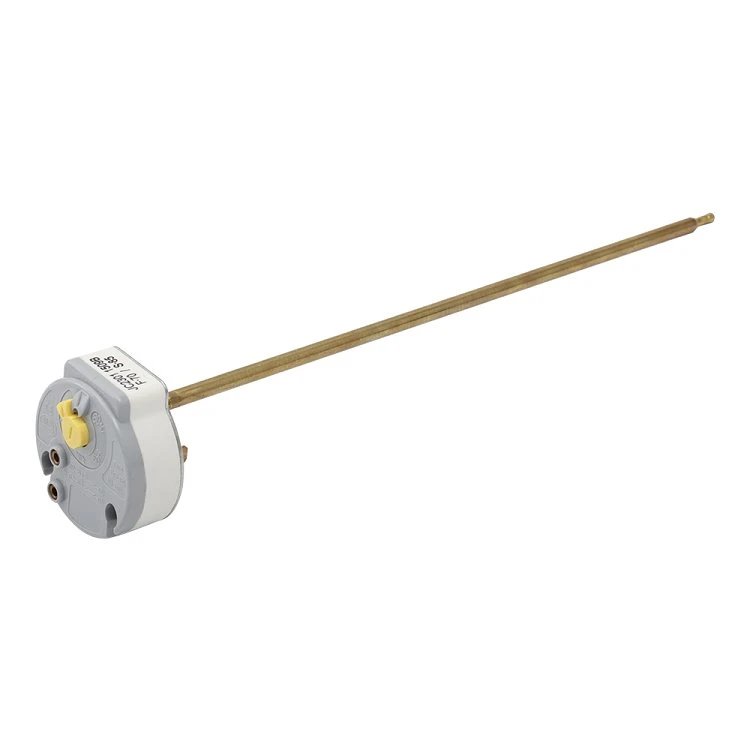
If resetting the thermostat doesn't work, you might need to replace it. There are several types of water heater thermostats available, including Double pole water heater thermostat, Bimetal rod type thermostat, and High Temperature Capillary Thermostat. You'll need to choose the right type of thermostat for your water heater based on its make and model.
Replacing a water heater thermostat can be a bit tricky, so it's a good idea to have a professional do it for you. A professional will have the tools and expertise to replace the thermostat safely and correctly.
Conclusion
In conclusion, a bad water heater thermostat can cause a variety of problems, including inconsistent water temperature, water that's too hot or too cold, longer heating times, strange noises, and high energy bills. If you notice any of these symptoms, it's important to have your water heater thermostat checked by a professional as soon as possible.
As a water heater thermostat supplier, I can provide you with high-quality thermostats that are designed to work with a variety of water heaters. If you're in the market for a new water heater thermostat, I'd be happy to help you find the right one for your needs. Just reach out to me, and we can start discussing your options.
References
- Water Heater Repair Guide. (n.d.). Retrieved from [website]
- Home Depot. (n.d.). How to Replace a Water Heater Thermostat. Retrieved from [website]
- Lowe's. (n.d.). Water Heater Thermostat Troubleshooting. Retrieved from [website]


