










Why Choose Us
Reliable Product Quality
We strictly checked on selecting material, processing, debugging and testing so as to provide the products best in quality for customers. We are going to stick to the principle of quality the fist, customers the foremost.
Wide Product Range
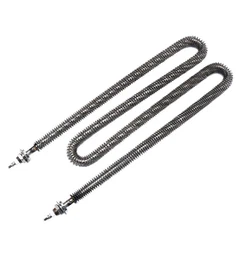
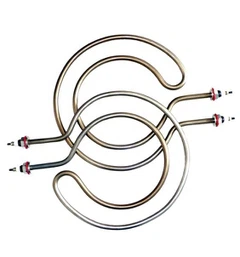
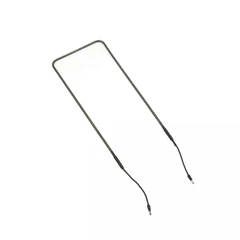
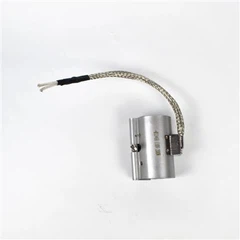
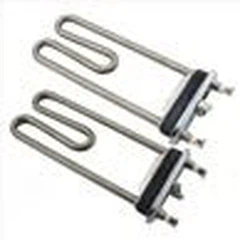
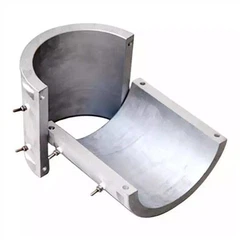
The main products contain immersion heating element, cartridge heating element, Finned heating element, Oven heating element, Ceramic heating element, Mica heating element, Washing Machine heating element. Band heating element, water heater thermostat. Heating Element Flange.
Rich Experience
ETDZ is established in the year 1986 ,own and operate several productive investment enterprises and also has established Ningbo Commercial Do Brasil Ltda., ETDZ HOLDINGS (Cambodia) Co., Ltd. and UNIFAME INDUSTRY LIMITED etc. Now it is a specialized developer and manufacturer of various kinds of heating element and thermostat.
Professional Technical Team
Our research and development department is constantly improving on current designs and techniques to take advantage of the latest in technology and apply these processes into your heating applications to make your heaters more durable and cost efficient. Our knowledge base and experienced sales executives can offer many suggestions and alternatives to your current heating projects so you can make a well informed decision with several alternative solutions.
What Is Water Heating Element?
Water heating elements are the main components of water heaters, mainly linked with converting electric energy into heat using the Joule heating principle. This heat comes in handy in warming up water which can be used for household or industrial purposes. Typically, a pair of water-heating elements is used. One works to heat water in the tank’s upper half while the other takes care of the lower half.
-
![Bent Type Water Heater Element With Thermostat]() Bent Type Water Heater Element With ThermostatDescription Product quality of replacing water heater element pass the European CE certification standards, meet the water heater equipment safety and accessories life requirements. In terms of material selection, anti-corrosion and...view more
Bent Type Water Heater Element With ThermostatDescription Product quality of replacing water heater element pass the European CE certification standards, meet the water heater equipment safety and accessories life requirements. In terms of material selection, anti-corrosion and...view more -
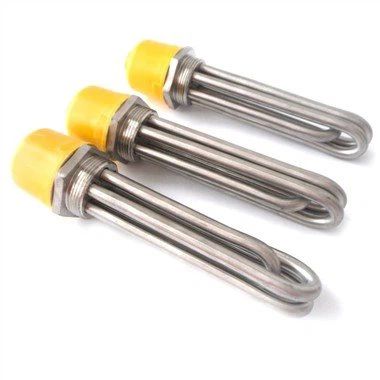
![Electric Immersion Water Heating Element]() Electric Immersion Water Heating ElementDescription The heating element is the key part of the electric water heater, and the heater heats the liquid to a specific temperature within a certain time. 1. Overall Dimensions:OEM, customized in drawing or samples 2. Heating...view more
Electric Immersion Water Heating ElementDescription The heating element is the key part of the electric water heater, and the heater heats the liquid to a specific temperature within a certain time. 1. Overall Dimensions:OEM, customized in drawing or samples 2. Heating...view more -
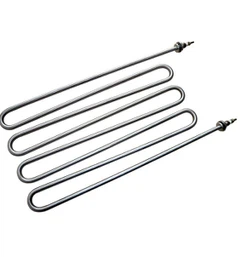
![Finned Heating Element For Oven]() Finned Heating Element For OvenDescription Finned heating element with insulated porcelain cap is bent into a straight heating tube U-shaped, and then in the heating tube is made of stainless steel winding steel belt. The terminal of finned heating element with...view more
Finned Heating Element For OvenDescription Finned heating element with insulated porcelain cap is bent into a straight heating tube U-shaped, and then in the heating tube is made of stainless steel winding steel belt. The terminal of finned heating element with...view more -
![220v Finned Tubular Pizza Oven Heating Element]() 220v Finned Tubular Pizza Oven Heating ElementDescription 220v Finned tubular pizza oven heating element, what is constructed like basic tubular elements with the addition of continuous spiral fins, 4-5 per inch permanently furnace brazed to the sheath. Fins greatly increase...view more
220v Finned Tubular Pizza Oven Heating ElementDescription 220v Finned tubular pizza oven heating element, what is constructed like basic tubular elements with the addition of continuous spiral fins, 4-5 per inch permanently furnace brazed to the sheath. Fins greatly increase...view more -
![Europe Safety Bimetal Temperature Thermostat]() Europe Safety Bimetal Temperature ThermostatData Sheet Water heater thermostat with our heating elements to provide you with heating solutions. We can customize the length for you, welcome to cooperate with us. FAQ Q: Are you a manufacturer or trading company? Answer: We are a...view more
Europe Safety Bimetal Temperature ThermostatData Sheet Water heater thermostat with our heating elements to provide you with heating solutions. We can customize the length for you, welcome to cooperate with us. FAQ Q: Are you a manufacturer or trading company? Answer: We are a...view more -
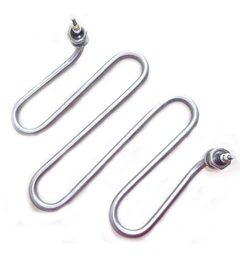
![Heating element for rice cooker]() Heating element for rice cookerSpecification 1. Material: SUS304 2. Tube diameter: 8mm 3. Length: 500mm 4. Width: 70mm 5. Volt&Wattage: 220& 3000w 6. Thread: M14(SUS304) 7. Center of bolt to center of bolt 8. Polished Advantage 1.Minimum order: 5pcs...view more
Heating element for rice cookerSpecification 1. Material: SUS304 2. Tube diameter: 8mm 3. Length: 500mm 4. Width: 70mm 5. Volt&Wattage: 220& 3000w 6. Thread: M14(SUS304) 7. Center of bolt to center of bolt 8. Polished Advantage 1.Minimum order: 5pcs...view more -
![Teflon Coated Immersion Heater]() Teflon Coated Immersion Heater1. Product Introduction Stainless steel electric heat pipe based on metal shell, along the axial uniform spiral tube center electric thermal bonding wire, nickel chromium, iron chromium alloy) the gap filling compaction with good...view more
Teflon Coated Immersion Heater1. Product Introduction Stainless steel electric heat pipe based on metal shell, along the axial uniform spiral tube center electric thermal bonding wire, nickel chromium, iron chromium alloy) the gap filling compaction with good...view more -
![220 V Barrel Tube Heater Water Heat Element]() 220 V Barrel Tube Heater Water Heat ElementDescription 220-v-barrel-tube-heater-water-heat-element can be made of almost any shape and size. Bending diameter can be customized on client request.We provide a variety of heating tube diameters.(Φ6,Φ8,Φ10,Φ12,Φ16,Φ20......) and...view more
220 V Barrel Tube Heater Water Heat ElementDescription 220-v-barrel-tube-heater-water-heat-element can be made of almost any shape and size. Bending diameter can be customized on client request.We provide a variety of heating tube diameters.(Φ6,Φ8,Φ10,Φ12,Φ16,Φ20......) and...view more -
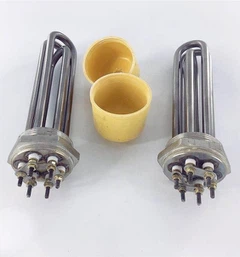
![Electric flange immersion heater]() Electric flange immersion heaterDescription Customized electric flange water heating element is made of seamless stainless steel tube, high-quality Mgo, High Ohm NiGr alloy wire. Customized electric flange water heating element is more heat exchange efficient, that...view more
Electric flange immersion heaterDescription Customized electric flange water heating element is made of seamless stainless steel tube, high-quality Mgo, High Ohm NiGr alloy wire. Customized electric flange water heating element is more heat exchange efficient, that...view more -
![Tubular SUS304 Water Heating Element]() Tubular SUS304 Water Heating ElementImmersion Tubular SUS304 Water Heating Element With Flange Flanged immersion heaters consist of hairpin bent tubular elements welded or brazed into a flange and provided with wiring boxes for electrical connections. Flange heaters are...view more
Tubular SUS304 Water Heating ElementImmersion Tubular SUS304 Water Heating Element With Flange Flanged immersion heaters consist of hairpin bent tubular elements welded or brazed into a flange and provided with wiring boxes for electrical connections. Flange heaters are...view more -
![240v 2400w Water Heating Element With Thermostat Tube]() 240v 2400w Water Heating Element With Thermostat TubeProduct Description Standard tube diameters are 8mm 10mm 12mm 16mm,18mm,20mm etc, but other special sizes are available for replaceable tubular water heater. Based on the diameter, lengths can be supplied up to 6000mm. Standard sheath...view more
240v 2400w Water Heating Element With Thermostat TubeProduct Description Standard tube diameters are 8mm 10mm 12mm 16mm,18mm,20mm etc, but other special sizes are available for replaceable tubular water heater. Based on the diameter, lengths can be supplied up to 6000mm. Standard sheath...view more -
![Low votage DC water heating element]() Low votage DC water heating elementDC 48V electric water heating element 1.Basic specifications of electric water heater element Any special dimensions can be customized for you! 2.Technical datas of DC Heating Elementview more
Low votage DC water heating elementDC 48V electric water heating element 1.Basic specifications of electric water heater element Any special dimensions can be customized for you! 2.Technical datas of DC Heating Elementview more


The electric heating tube is a metal tube, along the tube in the center of the central axis of the spiral electric heating alloy wire (nickel chromium, iron chromium alloy) filled with the gap with a good insulation thermal conductivity of magnesia sand, Or ceramic seal.
High Resistivity
The specific resistance or resistivity of the material used for making the water heating element should be high. When the resistivity of the material is high, then the element will require small length and shall give convenient size.
High Melting Point
The melting point of the material used for making the water heating element should be sufficiently higher than its operating temperature. Otherwise, a small increase in the operating voltage and hence in the operating temperature will destroy the water heating element.
Low Temperature Coefficient of Resistance
As the resistance of a conductor varies with the temperature and this variation should be small in case of a water heating element. Otherwise, when switched on from temperature to go up to say 1500 °C, the low resistance at the initial stage will draw excessively high currents at the same operating voltage.
Positive Temperature Coefficient of Resistance
The material used for making the water heating element must have positive temperature coefficient of resistance. If the temperature coefficient of resistance is negative the elements will draw
High Oxidising Temperature
The oxidising element of the water heating element should be higher than its operating temperature. Otherwise, oxidised layers from the surface will flake off changing the resistance of the water heating element and giving it a smaller life.
High Ductility and Flexibility
The material used for making water heating element should have high ductility and flexibility so that it may have convenient shapes and sizes. The material used for making the water heating element must not be brittle and fragile.
Sufficient Mechanical Strength
The material used for the water heating element should have the sufficient mechanical strength of its own.
Anti-Corrosive
The material of water heating element should be anti-corrosive because in many heat treatment processes, the heating atmosphere is corrosive. Therefore, when exposed to this atmosphere or any other chemical fumes the element should not corrode. Otherwise, its resistance will change and life will shorten.
Material of Water Heating Element
Metal elements typically use a nickel and chrome alloy with higher resistance than other metals.
PTC (positive temperature coefficient) elements utilize special ceramic discs that are resistant to starting fires, making them very safe.
Composite heating elements consist of mixtures of both metals and ceramics.
Components of Water Heating Element
Metal Sheath
The outer layer of the element is a metal sheath, often made of copper, stainless steel, or a nickel alloy. This sheath encloses the heating element and provides a robust barrier against the corrosive environment within the water tank.
Resistance Wire
Inside the sheath lies the resistance wire, usually made of nichrome. This wire is the heart of the element, where electrical energy is converted into heat through resistance. As electricity flows through this wire, its natural resistance generates heat, which is then transferred to the water.
Insulation
Surrounding the resistance wire is a layer of electrical insulation, typically made of magnesium oxide. This insulation is highly effective in conducting heat but prevents electrical contact with the sheath, ensuring safety and efficiency.
Termination Points
The ends of the heating element have termination points, where electrical connections are made. These points protrude from the top of the water heater tank and are where the power supply is connected.
Thermostat and Safety Switch
Each element is regulated by a thermostat, which controls the temperature by switching the electricity to the element on and off. Additionally, a safety switch (high-limit switch) is integrated to prevent overheating, shutting off the power if the water temperature exceeds a safe limit.

Only Cold Water
If your water heater can't produce hot water, the top heating element has most likely burned out. A complete lack of hot water indicates a malfunctioning element if you have a single-element heater. In this case, it will need to be replaced.
Lukewarm Water
If water only gets to lukewarm levels, it's most likely due to a bad upper heating element. The top heating element ensures the water is at the desired temperature, so if the water can only get so hot, you can likely pinpoint the source accordingly.
Hot Water Runs out Quickly
The bottom water heating element is responsible for maintaining a specific water temperature in the tank while it is waiting to be used. If the hot water from the tap runs out much faster than normal, there could be a malfunction with the lower heating element in the tank.
Circuit Breaker Trips
Water heating elements draw a significant amount of electricity to generate the necessary heat to heat water in the tank. If the element is malfunctioning, it might pull too much electricity. This could cause your breaker to short circuit, tripping and cutting power to the water heater. So, if your circuit breaker trips every time your water heater kicks on, check the heating element for problems.
How to Replace a Water Heating Element
Turn Off the Power
Locate the circuit breaker for your water heater in the main electrical panel and turn it off or remove the fuse, if you use fuses. Leave the water in the tank to cool off for a period of time before testing the water. Check a hot water faucet to see if the water is cool enough before moving on.
Access Heating Element
Find the access cover panel on the water heater and remove it. Fold the insulation back and away from the heating element to expose the screw terminals and circuit wires. Grab a non-contact circuit tester to see if there’s any power flowing to the wires. If there is no power, remove the screws and disconnect the wires.
Test the Heating Element
Use a multimeter to get an OHM reading. If the multimeter reads O, the heating element needs to be replaced. But if you do get a reading, the problem may be the other heating element.
Drain the Water Heater
With the power to the water heater off, turn off the cold water supply line to the water heater. The shutoff is typically above the water heater. Use a garden hose to attach to the water heater to drain it. Place the hose on top of a floor drain and drain the water heater water until the water line is below the element.
Remove the Heating Element
Water heaters have either a screw-in heating element or a flange-type heating element. With a screw-in element, use a socket wrench with a 1 ½-inch socket to turn the heating element counterclockwise. With a flange-type heating element, remove the screws and gasket. Once removed, pull the heating element from the water heater.
Install New Heating Element
Consult your owner’s manual to find the correct heating element for your water heater so you have the correct voltage and wattage. Before installing the heating element, clean the area where the gasket fits on the tank. Put the gasket on the heating element and place the element in the tank. With a screw-in element, twist it clockwise with a socket wrench. With a flange-type heating element, screw in the mounting screws.
Refill Water Heater
Close the water heater drain before refilling it and open the cold water inlet valve and a nearby hot water faucet. Run the hot water faucet for three minutes when water starts flowing.
Reconnect Wires
Wrap the black and white circuit wires around the screw terminals on the heating element in a clockwise fashion. Make sure the wires are tight before reassembling the cover plate. Turn the power back on and test the water heater.
Element Burnout
One of the most frequent issues is element burnout. This occurs when the element’s resistance wire becomes too hot, causing it to fail. Burnout can result from sediment buildup on the element, age, or constant overuse. A burnt-out element typically requires replacement.
Sediment Buildup
Over time, minerals present in water, like calcium and magnesium, can precipitate and form sediment on the heating elements. This buildup insulates the element, making it less efficient and forcing it to work harder, which can lead to burnout. Regularly flushing the tank can help prevent this issue.
Electrical Issues
Faults in the electrical supply, such as inconsistent voltage or loose connections, can affect the performance of the heating elements. These issues might not only damage the elements but also pose a safety risk.
Thermostat Malfunction
The thermostat controls the heating elements, turning them on and off to maintain the desired water temperature. A malfunctioning thermostat can cause overheating or insufficient heating by not regulating the elements correctly.
Corrosion
Corrosion can occur due to the chemical composition of the water or a breach in the protective sheath of the element. Corroded elements often perform poorly and have a reduced lifespan.
Tripped High-Limit Switch
The high-limit switch is a safety feature that shuts off the power to the heating elements if the water temperature gets too high. If this switch trips, it could indicate overheating due to a malfunctioning thermostat or another issue.
Internal Short Circuit
A short circuit within the heating element can cause it to fail. This can happen due to wear and tear or manufacturing defects.
Incorrect Sizing
If the heating elements are not correctly sized for the water heater, they can be less effective, leading to inadequate heating or increased strain on the system.
Factors Affecting Water Heating Element Lifespan
The Type of Element and Overall Design
The type of element matters. Elements made from robust materials like copper or stainless steel generally last longer than those made from less durable materials. Additionally, the overall design and quality of the water heater itself, including how well it manages heat and prevents overheating, can either prolong or shorten the life of its heating elements.
Water Quality and Sediment Buildup
Firstly, the quality of the water plays a significant role; hard water with high mineral content can lead to sediment buildup, accelerating wear and tear on the element. The frequency of use also impacts its durability; more usage translates to more stress and potential for degradation. Sediment buildup in your water heater can insulate the heating element, causing it to overheat and fail prematurely. Regular maintenance is crucial to prevent this issue and extend the lifespan of your water heater.
Mechanical Failure
Mechanical failure in other water heater components can also affect the element. For instance, a malfunctioning thermostat can cause the element to overheat, reducing its lifespan. Maintenance is another crucial factor; regular flushing of the tank and checking for corrosion can greatly extend a heating element’s life.
Electrical Resistance
The electrical resistance of the element plays a vital role in its durability. An element with higher resistance will generally last longer, especially under stress conditions like operating without water. Moreover, elements with optimal electrical resistance maintain a consistent temperature, reducing the risk of overheating and subsequent damage.
Circuit Breaker Trips
Frequent circuit breaker trips can be a sign of an overworking element. This poses a safety risk and indicates that your water heating element may not last long. Repeated tripping can indicate electrical issues that cause extra strain on the element, accelerating wear and tear.
External Factors
External factors such as the ambient temperature and humidity in the area where the heater is installed can also affect the element’s longevity, as extreme conditions may cause additional strain on the system. Understanding these factors can help you take proactive steps to ensure the longevity of your water heating element.
Take the Proper Safety Precautions: Before starting, ensure you have turned off the power supply to avoid electric shock. Use rubber gloves for additional safety.
Open the Water Heater: Carefully remove the access panel and insulation. This might require a screwdriver or other tools, depending on your water heater model.
Identify the Heating Element: The heating element typically has a unique shape and is connected with wiring, making it distinguishable from other components.
Use the Multimeter: Set your multimeter to measure resistance (ohms). Incorrect settings can lead to false readings.
Interpret the Readings: A reading significantly higher or lower than 10-30 ohms can indicate a problem. If the meter reads 1 or 0, it indicates the element is broken and likely needs replacement.
Repeat for Multiple Elements: If your water heater has more than one heating element, repeat the test for each to ensure all are functioning correctly.
Consult a Professional: If you’re unsure about the readings or the testing process, consult a professional plumber for accurate diagnosis and repair.

Water heating elements are widely used in all kinds of water heaters, be it an immersion heater, a circulation heater, or an over-the-side heater. Besides this, these are also used in standard heating devices, like pathway heating to melt snow, furnaces for industrial heating, floor heating, roof heating, dryers, toasters, hair dryers, etc. The commonly used heating elements are molybdenum disilicide, iron-chromium-aluminum alloy, nickel-chromium alloy, and silicon carbide. These are equipped with the necessary features; high toughness, low-temperature coefficient of resistance, high oxidation resistance, high melting point, etc.
Working Principle of Water Heating Element
Each water heating element of a water heater is controlled by a separate thermostat. These thermostats take the form of switches that can measure the temperature of the water within the tank. They also make sure that the water reaches the preferred temperature of the user. The thermostats of the water heaters come with a dial that can be set by the owner. So, if you want to measure and control your water temperature, then you can use and adjust the thermostat with ease.
Since water heating elements heat the water, it is important that these elements can resist electricity. Every time the water heater is turned on and in use, these elements will allow electrical current to pass through. At the same time, the tank will now allow the cold water to enter through a drip tube. Once the water has entered the tank, both the bottom elements and its corresponding thermostat will react and start the heating functionality.
As the water is heated up inside the tank, the switch closes. By the time the preferred water temperature is reached, the switch will open again, allowing the water to flow out and be accessed through household taps. Even if you don’t open your taps, the electric current will continue to flow. This continuous electric current allows the heating of elements until the thermostats have reached their limit, which will help you gain access to hot water immediately without starting from scratch again.
Our Certifications
The trademark of “NBETDZ” has also been selected for “Ningbo export famous brand” and “Zhejiang export famous brand”, and appraised as the AEO advanced certification enterprise of the customs. The company was awarded the title of “Example Enterprise for Trade & Logistic”. Be granted quality ISO 9001, environmental ISO14001 and occupational health ISO45001 those three management system certificates.

Our Factory
ETDZ is established in the year 1986 ,own and operate several productive investment enterprises and also has established Ningbo Commercial Do Brasil Ltda., ETDZ HOLDINGS (Cambodia) Co., Ltd. and UNIFAME INDUSTRY LIMITED etc.With uncompromised dedication to our customers, we offer solutions and not just products.Now it is a specialized developer and manufacturer of various kinds of heating element and thermostat.

Ultimate FAQ Guide to Water Heating Element
Q: How does a water heating element work?
Q: What type of water heating element is best?
Q: What are the requirements for a water heating element?
Q: Are all water heating elements the same?
Q: How long does a water heating element last?
Q: How do water heating elements fail?
Q: Which is better copper or stainless steel water heating element?
Q: What is the voltage of a water heating element?
Q: Can you bend water heating elements?
Q: How many ohms should a water heating element have?
Q: How do I know if water heating element is bad?
Q: Can you burn out a water heating element?
Q: What watt water heating element do I need?
Q: What is the maximum temperature for a water heating element?
Q: How do I test my water heating elements?
Remove the metal covers.
Remove the insulation and plastic covers.
Locate the heating element.
Verify the electricity is off.
Check the heater element with your multimeter.
Reassemble the water heater.
Q: Is there a positive and negative on water heating element?
Q: What is the most efficient water heating element?
Q: What is the voltage of a water heating element?
Q: Does wire placement matter on water heating element?
Q: Are all hot water heating elements the same?
As one of the most professional water heating element manufacturers and suppliers in China for 35 years, we're featured by quality products and good service. Please rest assured to wholesale customized water heating element made in China here from our factory. Contact us for free sample.
DC hot water heating element, Heating element for solar water, DC Low Voltage Submersible Double Water heating element