










Why Choose Us
Reliable Product Quality
We strictly checked on selecting material, processing, debugging and testing so as to provide the products best in quality for customers. We are going to stick to the principle of quality the fist, customers the foremost.
Wide Product Range
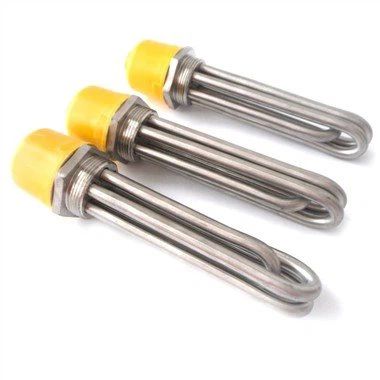
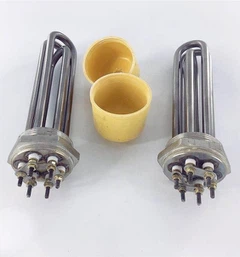
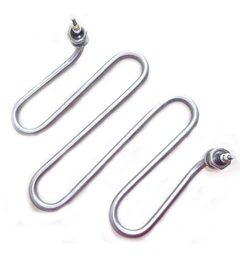
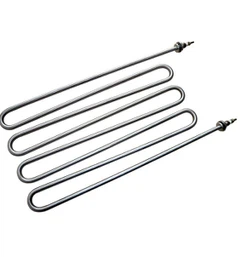
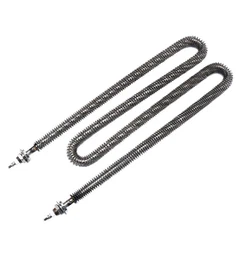
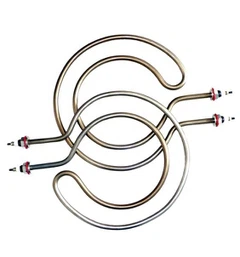
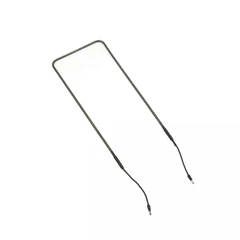
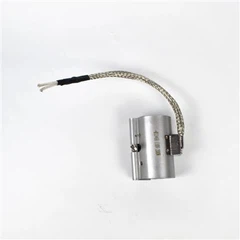
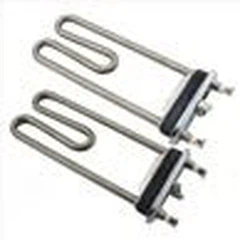
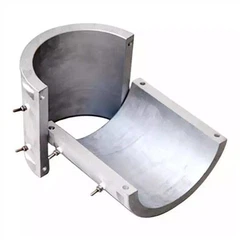
The main products contain immersion heating element, cartridge heating element, Finned heating element, Oven heating element, Ceramic heating element, Mica heating element, Washing Machine heating element. Band heating element, water heater thermostat. Heating Element Flange.
Rich Experience
ETDZ is established in the year 1986 ,own and operate several productive investment enterprises and also has established Ningbo Commercial Do Brasil Ltda., ETDZ HOLDINGS (Cambodia) Co., Ltd. and UNIFAME INDUSTRY LIMITED etc. Now it is a specialized developer and manufacturer of various kinds of heating element and thermostat.
Professional Technical Team
Our research and development department is constantly improving on current designs and techniques to take advantage of the latest in technology and apply these processes into your heating applications to make your heaters more durable and cost efficient. Our knowledge base and experienced sales executives can offer many suggestions and alternatives to your current heating projects so you can make a well informed decision with several alternative solutions.
What Is Flexible Heater Element?
A flexible heater element is a chemically etched, screen printed, or wire wound heater which can be flexed or bent to conform to the contours of the surface which requires heating. There are many types of flexible heaters, including silicone rubber heaters (both etched and wire wound), Polyimide/Kapton® Film heaters, carbon printed heaters, and transparent heaters. All of these heaters can come in many different variations which include the ability to customize the size, shape, and thickness along with adding components which can improve the performance of any application.
-
![Silicone Flexible Heater For Spectroscopy Instrument]() Silicone Flexible Heater For Spectroscopy InstrumentDescription Spectroscopic instruments serve as the "eyes" for scientific research and industrial production, playing a crucial role. In environmental monitoring, they can precisely measure the concentration of atmospheric...view more
Silicone Flexible Heater For Spectroscopy InstrumentDescription Spectroscopic instruments serve as the "eyes" for scientific research and industrial production, playing a crucial role. In environmental monitoring, they can precisely measure the concentration of atmospheric...view more -
![Wire Winding Type Silicone Heater]() Wire Winding Type Silicone HeaterDescription Silicone heating pad, due to its excellent temperature resistance, insulation properties and moisture resistance, are widely used in industries and new energy fields. For instance, they are applied in scenarios such as...view more
Wire Winding Type Silicone HeaterDescription Silicone heating pad, due to its excellent temperature resistance, insulation properties and moisture resistance, are widely used in industries and new energy fields. For instance, they are applied in scenarios such as...view more -
![Thick Film Heater For Water Kettle]() Thick Film Heater For Water KettleDescription Thick film heating heater is becoming increasingly popular for heating water. Due to the low thermal mass of the thick film heating elements, almost all the generated heat is dissipated into the water. This low thermal mass...view more
Thick Film Heater For Water KettleDescription Thick film heating heater is becoming increasingly popular for heating water. Due to the low thermal mass of the thick film heating elements, almost all the generated heat is dissipated into the water. This low thermal mass...view more -
![Uniform Film Heating Element]() Uniform Film Heating ElementDescription The film heater is a dynamic and multi-functional heating technology that has revolutionized the way we control temperature in various applications. This innovative heating solution differs from traditional methods as it...view more
Uniform Film Heating ElementDescription The film heater is a dynamic and multi-functional heating technology that has revolutionized the way we control temperature in various applications. This innovative heating solution differs from traditional methods as it...view more -
![Instant Thick Film Heater]() Instant Thick Film HeaterThick-film heating elements are widely used in instant heating devices. You can obtain hot water in just a few seconds. We all know that not every instant hot water dispenser can heat up within a few seconds. This depends on the heating...view more
Instant Thick Film HeaterThick-film heating elements are widely used in instant heating devices. You can obtain hot water in just a few seconds. We all know that not every instant hot water dispenser can heat up within a few seconds. This depends on the heating...view more -
![Thick Film Heating Element]() Thick Film Heating ElementThick-film heaters are heating elements used in various applications, ranging from industrial processes to consumer appliances. The term "thick film" is given because the heating elements are made of a thick layer of...view more
Thick Film Heating ElementThick-film heaters are heating elements used in various applications, ranging from industrial processes to consumer appliances. The term "thick film" is given because the heating elements are made of a thick layer of...view more -
![Flexible Film PET Heater]() Flexible Film PET HeaterThe flexible PET film heater is a revolutionary innovation that is completely transforming heating solutions in various industries. This groundbreaking technology combines the flexibility of polyethylene terephthalate (PET) film with...view more
Flexible Film PET HeaterThe flexible PET film heater is a revolutionary innovation that is completely transforming heating solutions in various industries. This groundbreaking technology combines the flexibility of polyethylene terephthalate (PET) film with...view more -
![Kapton Flexible Film Heater]() Kapton Flexible Film HeaterDescription The Kapton flexible film heater offers a variety of shapes, sizes and wattages for selection. The polyimide film has excellent chemical resistance and outstanding degassing performance in high vacuum environments. Polyimide...view more
Kapton Flexible Film HeaterDescription The Kapton flexible film heater offers a variety of shapes, sizes and wattages for selection. The polyimide film has excellent chemical resistance and outstanding degassing performance in high vacuum environments. Polyimide...view more -
![Polyimide Film Heater For Medical Devices]() Polyimide Film Heater For Medical DevicesDescription Flexible polyimide film heating element is a high-performance heating solution specifically designed for various industrial applications. It is a flexible and lightweight heating element, made of polyimide film coated with...view more
Polyimide Film Heater For Medical DevicesDescription Flexible polyimide film heating element is a high-performance heating solution specifically designed for various industrial applications. It is a flexible and lightweight heating element, made of polyimide film coated with...view more -
![Customized Polyimide Film Heater]() Customized Polyimide Film HeaterDescription The film heater is an innovative heating technology that has positioned itself as an indispensable multi-functional solution for various industries. These ultra-thin and flexible devices offer a series of advanced features...view more
Customized Polyimide Film HeaterDescription The film heater is an innovative heating technology that has positioned itself as an indispensable multi-functional solution for various industries. These ultra-thin and flexible devices offer a series of advanced features...view more -
![Polymide film heater for car lithium battery]() Polymide film heater for car lithium batteryDescription: The film heating element is a transparent amber-colored polyimide film. It is a thin and semi-transparent material with excellent dielectric strength. The manufacturing process of polyimide heaters is similar to etched foil...view more
Polymide film heater for car lithium batteryDescription: The film heating element is a transparent amber-colored polyimide film. It is a thin and semi-transparent material with excellent dielectric strength. The manufacturing process of polyimide heaters is similar to etched foil...view more -
![Silicone heater for electric car battery]() Silicone heater for electric car batteryDescription Silicone rubber heaters are composed of fiberglass reinforced silicone rubbers that are moisture and chemical resistant. Thin and flexible, silicone rubber heater elements are designed to meet the requirements of various low...view more
Silicone heater for electric car batteryDescription Silicone rubber heaters are composed of fiberglass reinforced silicone rubbers that are moisture and chemical resistant. Thin and flexible, silicone rubber heater elements are designed to meet the requirements of various low...view more




If offers great health benefits and comfort
Flexible heater elements were designed to ensure our surroundings are more pleasant. You can install the customized flexible heater elements in heated aeroplane and automobile seats. This ensures that passengers feel at ease and cozy while traveling. Also, you can integrate then in items such as blankets. You can also add them to heating pads which can serve therapeutic purposes, injury treatment, and comfort.
Used for protecting sensors and screens in Electronics
With flexible heater elements, you can ensure than the sensor or screen doesn’t get too hot because if it does, the electronics could get damaged. This sensor like those utilized in a credit card scanner and warehouse inventory scanner, may keep detecting magnetic stripes and codes. This would be without any signal failure because of the steady temperature and warmth.
Useful for Heat Sealing and Gluing
Flexible heating elements would be used in different applications. These include when a manufacturer requires a specific technique to complete a product using laminate, sealer, glue, or any bonding agent requiring heat to cure it and then seal it in place.
Appropriate Temperature for the Batteries
It is necessary to control how batteries operate in temperatures that are below freezing. Freezing temperatures could harm the interior electronic component. These freezing temperatures could cause the interruptions of signals present in signals and semiconductors. This could cause the applications to fail.
Helps in Controlling Thermal Expansion
Difficult components to access as well as repair could enjoy the benefits of better thermal management from flexible heater elements. A sea vessel or airplane moves into the colder locations, heaters help to keep the temperature of the components and parts warm and stable.
Prevents Fogging on Mirrors and Lenses
Lenses are useful in different sectors to handle different tasks either in outdoor or indoor settings. Night vision equipment may be utilized in different military applications for detecting the activity of enemies in any dangerous setting. Automobile mirrors and security cameras are more applications of mirrors and Lenses.
Types of Flexible Heater Element
Polyimide flexible heaters
Polyimide flex heaters are a great option for when you need to heat a rigid or curved surface area. They have a slim form factor and offer great tensile strength and resilience. As far as materiality goes, polyimide flex heaters consist of an etched circuit placed between two piece of polyimide film. In the chart below, you can see how they measure up with the other two types of flexible heaters we will discuss.
Silicone flexible heaters
The main benefit to silicone flexible heaters is their chemical resistance. How it works is a circuit is attached to the power leads, and then vulcanized between two layers of silicone rubber. The benefit to using silicone is that silicone is scratch resistant and repels most chemicals, making them popular for scientific applications. However, silicone heaters can also be thick, and do not always have a great electrical efficiency.
Wire heaters
Wire heaters are what you would find in a heated jacket or heated blanket. They are composed of wires that are sewn into a textile or can be made of carbon fiber in some cases. These systems can be cumbersome to install, though, but are very inexpensive to produce. The one benefit to these wire heaters, though, is they are typically enclosed in a waterproof membrane. So, they are ideal in wet conditions.
Polyimide flexible heaters
There are several potential uses for polyimide flexible heaters, or “Kapton” heaters. Since they have such strong heat transfer capabilities, they are perfect in applications that require temperature regulation. Typically, polyimide flex heaters are used in aerospace, military, food service, and medical applications.
Silicone flexible heaters
Silicone flex heaters are best for large, flat surface areas. This makes them great for industrial use. For example, in heated presses, incubators, and battery heating systems. As for specific industries, they are commonly used in medical, aeronautical, military, and food service.
Application of Flexible Heater Element
Preventing Ice Buildup on Moving Parts in the Transportation Industry
During winters, moisture seeps into moving parts of trains and transit systems, causing these systems to freeze at low temperatures. This ice buildup affects the function of moving parts and sometimes disrupts the function of these systems on a large scale. To avoid this, self-regulating flexible silicone heaters are vulcanized to different parts of the systems to prevent ice build-up. These types of heaters are widely used in the transportation industry as they possess a wide working temperature range from -40°C to 200°C.
Heat Transfer in Consumer Electronics
Many consumer electronics like play stations and mobile phones, may heat up during regular use. This mainly happens due to poor heat transfer between the chip and the heat sink. This increased temperature may damage the device or worsen its performance. To avoid this, thermal heaters are bonded to heat sinks to assure proper heat transfer. They are often integrated with sensors to detect an increase in temperature.
Proper Working of Batteries and Electronics in Sub-zero Temperatures
Although electronic manufacturing technologies have evolved over the years; sub-zero temperatures are still a big concern for electronics OEMs. The internal circuits in various electronics are delicate, and they may be damaged due to freezing temperatures. Similarly, temperature management is important for the functioning of batteries. Extreme high and low temperatures may impact the functioning of the battery. Flexible heaters are used to avoid this issue. These heaters are vulcanized onto battery surfaces to help maintain their proper operating temperature range.
Maintaining Temperatures in Life Saving Medical Devices
Many medical devices require precise temperature control. This is achieved by integrating flexible heating systems into medical assemblies to maintain a specific temperature or range of temperatures. Blood analyzers, small catheter and insertion heater assemblies, and incubators are a few popular medical devices that make use of flexible heaters.
Efficient Thermal Transfer in Vacuum Environments
One of the main requirements for spacecraft and satellites is that they must operate in a vacuum. These systems need efficient temperature control, as a vacuum environment possesses no air. This means there is no efficient means of heat transfer, causing parts to get cold and stop functioning. To avoid this, flexible heaters are directly attached to vital, temperature-dependent systems to help maintain their desired temperature.
Tips for Designing Flexible Heater Elements for Cost-Effective Manufacturing


Optimize The Layout, Size, And Material
One of the crucial aspects of designing a cost-effective flexible heater element is optimizing the layout and size. Consider the dimensions of the target application and design the heater accordingly to minimize material waste. Maximize the use of the available space to reduce the amount of raw materials required, resulting in cost savings during manufacturing.
Utilize Efficient Heating Element Patterns
The heating element pattern significantly impacts the efficiency of a flexible heater element. Carefully determine the heating element layout to ensure uniform heat distribution across the entire surface. Avoid complex or intricate patterns that may increase manufacturing costs due to intricate wiring or time-consuming processes. Opt for efficient and simple designs that can be easily replicated and manufactured at scale without compromising performance.
Implement Design For Manufacturability (DFM) Principles
Designing with manufacturability in mind is crucial for cost-effective production. Collaborate closely with your manufacturing partner early in the design process to ensure that your flexible heater element design aligns with their capabilities and equipment. Consider factors such as material availability, manufacturing processes, and automation possibilities to streamline production and reduce costs. Applying DFM principles ensures that the design can be easily translated into an efficient manufacturing process, saving time and resources.
Incorporating Multiple Heating Zones
Multiple heating zones on a flexible heater element add complexity to the design and manufacturing process. However, with proper planning and expertise, it is feasible to integrate multiple heating zones on a flexible heater element.
Soldering Surface Mount Components Directly To A flexible heater element
Soldering components to a flexible heater element can be challenging due to the nature of the flexible substrate and the heating elements. The flexibility and heat sensitivity of the heater requires careful consideration when soldering surface mount components.
How Does a Flexible Heater Element Work?
A flexible heater element generates heat in different ways - either through electricity or through a chemical reaction. A typically flexible heater element consists of a heating element, either etched foil or wire wound. These heating elements are sandwiched between layers of flexible materials that allow for heat transfer from the materials to the application. Some form of resistance is used within the elements to create heat. Polyimide options are typically used to heat both rigid and curved areas. Because of how they function, these types of heaters are regularly employed for applications that need precise temperature control. Polyimide heaters can be designed very thin, from 0.0045" to 0.010". Due to this thickness, etched foil elements are found in polyimide heaters. The next is called a silicone rubber heater, which is known for its chemical-resistant properties. Here, a circuit that is attached to power leads is used to heat two layers of silicone rubber. These types of heaters are commonly used in healthcare environments, along with in the military.
Performance Specifications
Performance specifications for film heaters include AC voltage, maximum operating temperature, heating capacity, and watt density. This is the amount of thermal energy the hi-heat heater delivers; the SI unit is kilowatts. So, the watt density is the wattage measurement for each square inch received from the cartridge heater. However, take caution with high watt density heaters.
Type of Heating Element
Flexible heater element elements come in two types–etched foil and wire-wound. These solid heating elements are engraved out of a foil substance. Usually, they have a low and flat profile that exposes the operational heating section. Etched foil heating elements feature a brief warm-up time, evenly dispense heat, and are more efficient than other custom heating elements.
Dimensions
In terms of length and width, size is crucial in choosing film heaters. They should be sized appropriately to fit their particular application. Fortunately, reputed custom heater manufacturers customize their flexible heater elements accurately to match your intended applications.
Sheath Material
Custom flexible heater elements come with a sheath or sleeve that condenses the heating element. The purpose of the sheath is to offer electrical insulation and provide a physical protective layer. Insulating the heating elements is essential to prevent short-circuiting or power failure on the load. Still, the physical barrier helps to prolong the heater’s life and enables the device to work in harsh conditions like wet and corrosive. Polyimide (Kapton), Silicone Rubber, Teflon, or Mica are popular material options for the sheath.
Mounting Method
When choosing your preferred flexible heater element, it would also be best to consider the type of mounting method. This would help in its effectiveness. Usually, regardless of the material, shape, and size, flexible heater elements heat the necessary parts directly. They can be etched or wound on specific surfaces to heat the components. Better still, they are lightweight and cannot impact any mobile parts in applications.
Compliance
Depending on where you’re buying your flexible heater elements, ensure they comply with quality assurance and safety standards. For instance, the European Union (EU) has Restriction on Hazardous Substances (RoHS) that requires all European electronic manufacturers and electrical equipment to show they are not hazardous. This means they should contain at least zero levels of lead, mercury, cadmium, chromium, and other toxic elements.
Yes, it is common to place cutouts in the middle of a flexible heater element. Cutouts allow the flexible heater element to fit around objects on the application or to leave spaces open that will not become heated. Sometimes this is also done for the purposes of mounting, which is again something that will be dictated by the environment. Other times, it is something done to make it possible to have multiple heating zones in the heater itself.
Keep in mind that cutouts can greatly impact the thermal results of the flexible heater element. Heat loss can occur near the cutouts based on how the heating elements are run between the polyimide or silicone materials. A heat sink may happen when cutouts are close to the edges or corners of the heater, or when there are multiple cutouts near each other.
For more even temperatures throughout the materials, the thermal pattern for the heating elements is modified. The thermal pattern involves running the elements in a certain direction with a specific amount of space between each line of the etched foil or wire wound element. The size and thickness of the elements may also be altered. These factors ensure that the wattage output is maintained, and the temperature is uniform around the cutouts.
Flexible heater elements have changed the medical industry for the better over the years. Some of the most popular applications for flexible heater elements include blood and fluid warming, patient warming, and wound care. This is particularly the case when using silicone and polyimide heaters as etched foil elements help distribute heat for CPAP machines as well as dialysis and sterilization applications. Flexible heater elements have also found their way into a variety of other medical applications, such as:
● Prescription drug delivery
● Respiratory therapy
● Cardiology
● Ophthalmology
● OB/GYN
Temperature control is one of the most vital uses when it comes to medical devices. Many blood and IV infusions need to be temperature-regulated so you avoid administering fluid that could send the patient into hypothermia. At the other end of the spectrum, flexible heater elements are beneficial in keeping the temperature warm enough to aid in homeostasis.
Flexible heater elements have also been used in wound care. In some instances, wounds heal if they are kept warm, and incorporating small flexible heater elements into something like a bandage will provide the uniform heat needed to heal.
Extreme heat and coldness in working environments are hurdles that manufacturers must address when selecting the right materials for the flexible heater elements. Extremely cold temperatures can cause materials to become brittle and crack, which can impact the operations of the wire-wound or etched foil elements. When selecting a flexible material for electronics that must operate in these conditions, the material should be rugged enough to handle the cold while allowing for even thermal transfer throughout the heater's surface. The material should also stand up to moisture that may be found in certain cold environments, such as condensation that occurs inside airplane instrument panels, cold storage warehouses, and climate regions with an abundance of rain, snow, or ice.
Extremely high temperatures can also cause issues with flexible heater elements. One question that is often posed is: “Why would a flexible heater element be used in such hot conditions?” flexible heater elements may have to be used in electronic devices that must maintain a certain temperature for the entire duration of operation. The heater can deal with cold spots that may form by providing the right continuous temperature at the optimal level. Also, moisture may be present in the hot environment as the flexible heater element provides a "dry heat" that can evaporate condensation from electronic components.
Our Certifications
The trademark of “NBETDZ” has also been selected for “Ningbo export famous brand” and “Zhejiang export famous brand”, and appraised as the AEO advanced certification enterprise of the customs. The company was awarded the title of “Example Enterprise for Trade & Logistic”. Be granted quality ISO 9001, environmental ISO14001 and occupational health ISO45001 those three management system certificates.

Our Factory
ETDZ is established in the year 1986 ,own and operate several productive investment enterprises and also has established Ningbo Commercial Do Brasil Ltda., ETDZ HOLDINGS (Cambodia) Co., Ltd. and UNIFAME INDUSTRY LIMITED etc.With uncompromised dedication to our customers, we offer solutions and not just products.Now it is a specialized developer and manufacturer of various kinds of heating element and thermostat.

Ultimate FAQ Guide to Flexible Heater Element
Q: What are flexible heater elements used for?
Q: What are the functions of heating element?
Q: What is flexible heating element?
Q: What materials are used in flexible heating elements?
Q: Which heating element is most effective?
Q: Which metal is used as heating element in heater?
Q: How do I know which heating element I need?
Q: Can ultra thin flexible heater be used suspended in air?
Q: Can I trim an ultra-thin flexible heater to the size and shape I need?
Q: How do flexible heater elements work?
Q: Why do flexible heater elements fail?
Q: How do flexible heater elements break?
Q: Do flexible heater elements leak?
Q: Can a flexible heater element melt?
Q: How are flexible heater elements insulated?
Q: Are flexible heater elements fragile?
Q: How do you check a flexible heater element?
Q: Are flexible heater elements electrified?
Q: Are flexible heater elements 100% efficient?
Q: Can a flexible heater element get weak?
As one of the most professional flexible heater element manufacturers and suppliers in China for 35 years, we're featured by quality products and good service. Please rest assured to wholesale customized flexible heater element made in China here from our factory. Contact us for free sample.