










Why Choose Us
Reliable Product Quality
We strictly checked on selecting material, processing, debugging and testing so as to provide the products best in quality for customers. We are going to stick to the principle of quality the fist, customers the foremost.
Wide Product Range
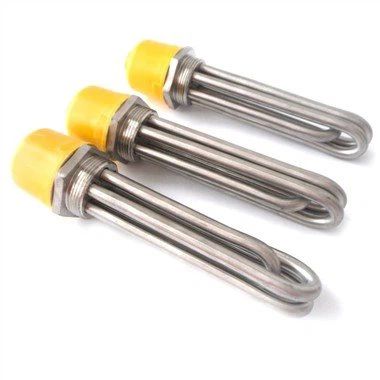
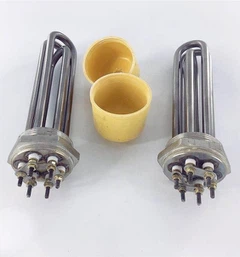
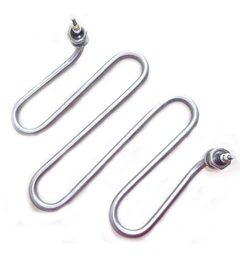
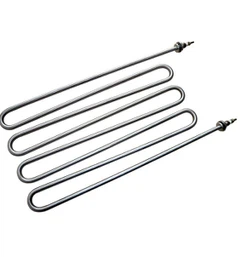
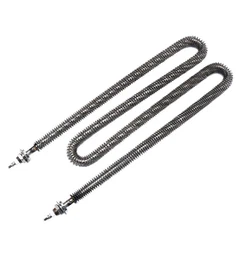
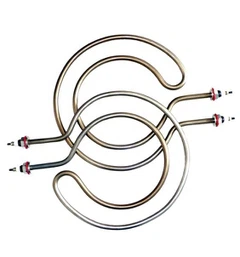
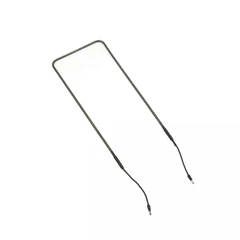
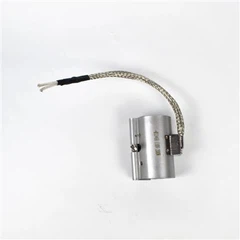
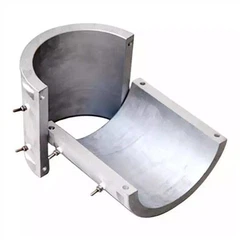
The main products contain immersion heating element, cartridge heating element, Finned heating element, Oven heating element, Ceramic heating element, Mica heating element, Washing Machine heating element. Band heating element, water heater thermostat. Heating Element Flange.
Rich Experience
ETDZ is established in the year 1986 ,own and operate several productive investment enterprises and also has established Ningbo Commercial Do Brasil Ltda., ETDZ HOLDINGS (Cambodia) Co., Ltd. and UNIFAME INDUSTRY LIMITED etc. Now it is a specialized developer and manufacturer of various kinds of heating element and thermostat.
Professional Technical Team
Our research and development department is constantly improving on current designs and techniques to take advantage of the latest in technology and apply these processes into your heating applications to make your heaters more durable and cost efficient. Our knowledge base and experienced sales executives can offer many suggestions and alternatives to your current heating projects so you can make a well informed decision with several alternative solutions.
What Is Cartridge Heating Element?
A cartridge heating element is a cylindrical tubular heating device that provides concise and precise heating for various forms of materials, machinery, and equipment. Unlike an immersion heater, a cartridge heater is inserted into a hole in the item to be heated to furnish internal radiant heat. They are used in a wide range of manufacturing processes for providing precisely directed localized heat.
-
![High Temperature Cartridge Heater]() High Temperature Cartridge HeaterDescription Cartridge heaters are used for heating metal parts and can also be fitted with threaded bushings for liquid heating for certain applications. Cartridge heaters will reach metal temperatures of up to 1,400ºF (760ºC) with the...view more
High Temperature Cartridge HeaterDescription Cartridge heaters are used for heating metal parts and can also be fitted with threaded bushings for liquid heating for certain applications. Cartridge heaters will reach metal temperatures of up to 1,400ºF (760ºC) with the...view more -
![Non-stick coating cartridge heater]() Non-stick coating cartridge heaterDescription Cartridge heaters are cylindrical electrical heating elements.Mostly used for heating up solids such as injection presses heating plates or various tools,they can also be used for heating up water of gases under certain...view more
Non-stick coating cartridge heaterDescription Cartridge heaters are cylindrical electrical heating elements.Mostly used for heating up solids such as injection presses heating plates or various tools,they can also be used for heating up water of gases under certain...view more -
![High Density Cartridge Heater]() High Density Cartridge HeaterDescription When we discuss the "density" of a cartridge heater element,we are referring to the wattage of the heating device. Watt density is a useful for determining how effective and powerful a cartridge heater is. we utilize some of...view more
High Density Cartridge HeaterDescription When we discuss the "density" of a cartridge heater element,we are referring to the wattage of the heating device. Watt density is a useful for determining how effective and powerful a cartridge heater is. we utilize some of...view more -
![Stainless Steel 304 Waterproof Cartridge Heater]() Stainless Steel 304 Waterproof Cartridge HeaterDescription Stainless steel 304 waterproof cartridge heater is a piece of equipment, made of MgO powder or MgO tube, ceramic cap, resistance wire(NiCr2080), high temperature leads and seamless stainless steel sheath(SS304,321,316,...view more
Stainless Steel 304 Waterproof Cartridge HeaterDescription Stainless steel 304 waterproof cartridge heater is a piece of equipment, made of MgO powder or MgO tube, ceramic cap, resistance wire(NiCr2080), high temperature leads and seamless stainless steel sheath(SS304,321,316,...view more -
![Cartridge heater for hot metal heating]() Cartridge heater for hot metal heatingDescription A cartridge heating element consists of a ceramic heating element in a tube, equipped with either a cable or a junction box. Cartridge heater is built of grooved blocks (ceramic building blocks) assembled into complete...view more
Cartridge heater for hot metal heatingDescription A cartridge heating element consists of a ceramic heating element in a tube, equipped with either a cable or a junction box. Cartridge heater is built of grooved blocks (ceramic building blocks) assembled into complete...view more -
![Electric Cartridge Heater For 3D Printer]() Electric Cartridge Heater For 3D PrinterDescription A cartridge heater is a cylindrical tubular heating device that provides concise and precise heating for various forms of materials, machinery, and equipment. Unlike an immersion heater, a cartridge heater is inserted into a...view more
Electric Cartridge Heater For 3D PrinterDescription A cartridge heater is a cylindrical tubular heating device that provides concise and precise heating for various forms of materials, machinery, and equipment. Unlike an immersion heater, a cartridge heater is inserted into a...view more -
![Stainless steel firerod cartridge heater]() Stainless steel firerod cartridge heaterDescription Electric heater element for wood pellet stove ignitor are using SUS304 or SUS321 seamless stainless steel pipe, MOG holder and MGO head with high temperature 1800C,99% MGO rod,overseas high temperature MGO powder, Cr20Ni80...view more
Stainless steel firerod cartridge heaterDescription Electric heater element for wood pellet stove ignitor are using SUS304 or SUS321 seamless stainless steel pipe, MOG holder and MGO head with high temperature 1800C,99% MGO rod,overseas high temperature MGO powder, Cr20Ni80...view more -
![Cartridge Heater For Packing Machine]() Cartridge Heater For Packing MachineDescription Cartridge heating element is suitable for high and low temperature insertion heating of various sizes of molds and mechanical equipment, extrusion cylinder, molding mold, metal castings, rubber machinery, heating and heat...view more
Cartridge Heater For Packing MachineDescription Cartridge heating element is suitable for high and low temperature insertion heating of various sizes of molds and mechanical equipment, extrusion cylinder, molding mold, metal castings, rubber machinery, heating and heat...view more -
![Cartridge Heating Element For 3D Printer]() Cartridge Heating Element For 3D PrinterDescription Cartridge heating element for 3D printer is a piece of equipment, made of MgO powder or MgO tube, ceramic cap, resistance wire(NiCr2080),High temperature leads, seamless stainless steel sheath(304,321,316,800,840). usually...view more
Cartridge Heating Element For 3D PrinterDescription Cartridge heating element for 3D printer is a piece of equipment, made of MgO powder or MgO tube, ceramic cap, resistance wire(NiCr2080),High temperature leads, seamless stainless steel sheath(304,321,316,800,840). usually...view more -
![Split Type Cartridge Heater Element]() Split Type Cartridge Heater ElementDescription ETDZ offer split type cartridge heater element, high watt density cartridge heater, low density cartridge heaters, industrial cartridge heater. Split type cartridge heater element is an improved product of electric heating...view more
Split Type Cartridge Heater ElementDescription ETDZ offer split type cartridge heater element, high watt density cartridge heater, low density cartridge heaters, industrial cartridge heater. Split type cartridge heater element is an improved product of electric heating...view more -
![Packaging Machine Cartridge Heater Element]() Packaging Machine Cartridge Heater ElementDescription The shell material of the packaging machine cartridge heater element can be stainless steel 304, 321, 316L, 310S, Incoloy800/840 .Internal filling is high temperature magnesium oxide powder, generally Japan TATEHO magnesium...view more
Packaging Machine Cartridge Heater ElementDescription The shell material of the packaging machine cartridge heater element can be stainless steel 304, 321, 316L, 310S, Incoloy800/840 .Internal filling is high temperature magnesium oxide powder, generally Japan TATEHO magnesium...view more -
![Long life cartridge heater]() Long life cartridge heaterDescription Medical use cartridge type heating element has the advantages of simple structure, long service life, high thermal efficiency, good mechanical strength, can be bent into various shapes, safe use, temperature resistance,...view more
Long life cartridge heaterDescription Medical use cartridge type heating element has the advantages of simple structure, long service life, high thermal efficiency, good mechanical strength, can be bent into various shapes, safe use, temperature resistance,...view more


Cartridge heaters are designed to withstand a sheath temperature of up to 1500º F. Therecommended maximum operating temperatures for different applications are much less than that.
High-Temperature Capability
Cartridge heating elements are capable of reaching high temperatures, up to 750°C. This makes them suitable for applications that require precise and controlled heating in extreme temperature environments.
Quick Heating and Response Time
Cartridge heating elements have a relatively fast heating and response time. They can reach their maximum operating temperature within minutes, allowing for efficient and timely heating processes.
Compact and Versatile Design
Cartridge heating elements are compact in size and can be manufactured in various diameters and lengths to fit different applications. Their cylindrical shape makes them easy to install and mount in tight spaces, providing flexibility in design and placement.
Uniform Heat Distribution
Cartridge heating elements provide uniform heat distribution along their length. This ensures consistent and reliable heating, preventing hot spots or cold areas within the heated medium. Uniform heating is particularly crucial for applications that require precise temperature control.
Durability and Longevity
Cartridge heating elements are built to withstand harsh operating conditions. They are constructed using high-quality materials such as stainless steel or incoloy, which provides excellent resistance to corrosion and mechanical stress. This durability ensures a long service life even in demanding industrial environments.
Customizable and Configurable
Cartridge heating elements can be customized to meet specific application requirements. They can be tailored in terms of wattage, voltage, dimensions, lead wire options, and termination styles. This customization capability allows for precise matching of the heater to the intended application.
Energy Efficiency
Cartridge heating elements offer energy efficiency due to their direct heat transfer and localized heating. Since they are inserted directly into the medium to be heated, there is minimal heat loss during the transfer process. This efficiency can lead to reduced energy consumption and cost savings over time.
Easy Replacement and Maintenance
In case of a failure or the need for maintenance, cartridge heating elements can be easily replaced without requiring significant downtime. Their straightforward installation and removal process simplify maintenance tasks and minimize production disruptions.
Types of Cartridge Heating Element
Swaged Cartridge Heater Elements
Before the swaging procedure, all of the heater's components—including the core, resistance wiring, and oxide powder—are added. By forcing the heater into a die, mechanical swaging constricts, shrinks, and compacts the heater's diameter and internal components. As a result, efficiency is increased, improving the heat transfer process.
Thermocouple Cartridge Heaters
Cartridge heaters with thermocouples heat the surface, and their wattage, density, and fit are calculated using intricate algorithms. They are beneficial in confined spaces because the internal thermocouple measures the temperature of the sheath.
Multizone Cartridge Heaters
Multi-zone cartridge heaters have two leads for each zone and a coil unique to each area of the heater. The zones may have a single common wire for one of the leads in some arrangements, enabling control of the various parts. Turning off a zone when it is not necessary reduces the amount of energy used, which is a benefit of the multi-zone system.
Miniature Cartridge Heaters
A small cartridge heater must have a length of no more than three inches (76.2 mm) and diameters of 0.125 in (3.175 mm), 0.156 in (3.97 mm), and 0.187 in (4.76 mm). Miniature cartridge heaters often have 304 or 316-grade stainless steel exteriors. The majority of small heaters are swaged for dielectric strength as well as resistance to shock and vibration.
Square Cartridge Heaters
Instead of a round diameter, square cartridge heaters feature a square or rectangular form. They can be swaged and compacted and have the same capabilities as round tubular cartridge heaters. They can be clamped into milled slots on a tool surface to provide efficient heating. Their distinct design allows easy removal for cleaning and maintenance.
Application of Cartridge Heating Element
Die Casting
The die casting process involves placing molten metal in an open or closed die to shape and produce various shapes and forms. An essential part of the process is to ensure that the temperature of the metal is monitored and controlled. Cartridge heating elements are placed in a hole in the die such that it can carefully and accurately control the temperature of the molten metal. The process is closely regulated to guarantee the quality of the final casting.
Mold Process
The mold process is like the die process with variations regarding materials and methods. As with dies, it is necessary to closely monitor the solidification temperature of the heated metal. To assist in controlling the process, cartridge heating elements are inserted into the mold. During solidification, the cartridge heating element keeps the heat constant to avoid weaknesses and unevenness in the molded part.
Food Production
Food production demands the same type of accuracy and control necessary for die casting and molding with the basic difference being assisting in the accurate preparation of food. This is especially true in high volume food production where the cooking temperature is required to be constant throughout a production run. Heat control by cartridge heating elements are major components in every aspect of food preparation.
Medical
The proper control of heat is an essential part of patient treatment in the medical field. Many curative processes require exceptionally close heat control for the safety of the patient and the success of the cure. Some of the uses for cartridge heating elements include heat control of baby incubators, kidney dialysis machines, and injector ports. In a wide variety of medical applications, cartridge heating elements are used to heat aluminum or stainless steel subassemblies to provide exceptional heat transfer and uniform temperature.
Plastic Extrusion
The extrusion process requires that the molten plastic be evenly heated when being forced through the mold by the screw. cartridge heating elements are installed in the extrusion process to assist in maintaining constant heat for the stability of products.
Components of Cartridge Heating Element


Heating coil
The heating coil is the actual resistance which is where the electrical load occurs. The most common type of metal alloy used for this purpose is a nickel-chromium mixture, also known as nichrome. The nichrome wire is wound around a ceramic core, and the number of spirals per inch vary according to the requested watt density. Potential from an alternating current source, which can either be 2 phase or 3 phase, flows through the coiled nichrome wire, heating up the wire, which in turn, heats the cartridge heater sheath.
Insulation
Insulation is used to prevent the nichrome coil contacting the sheath, an event that would ground the resistance and could produce a catastrophic short circuit, resulting in a melted sheath and a major equipment failure. Damage can be mitigated by installing a ground fault interrupting circuit. To prevent the coil from touching the sheath, the coil is inserted into the sheath, and immediately filled with magnesium oxide (MgO). To ensure the MgO fills the empty space between the sheath and the coil, the cartridge heater is filled under vibration.
Sheath
The sheath is the part of the cartridge heater which makes contact with the material or substance to be heated. Several metal alloys are used, depending on the type of application, such as highly acidic or corrosive environments. The most common types of sheaths are 304 stainless steel, 316 stainless steel.
Sealing
After the cartridge heater has been filled with MgO, a seal is applied to the open end of the cartridge heater (where the nichrome coil was introduced). This prevents the coil and the MgO from coming out, as well as preventing contaminants such as plastic debris, air, or moisture from entering the heater.
Termination
Since cartridge heaters are installed in a wide variety of machines, manufacturers must design the heaters to meet certain clearances. The cartridge heaters might be terminated with the leads coming out straight, or in a right angle. Also, manufacturers must be careful that the leads are not exposed to temperatures higher than the maximum rating for the lead wire. In order to prevent lead wire damage from temperature, movement or contamination, the lead wire can be protected with a metal conduit, braided metal or silicone sleeves.
How Does a Cartridge Heating Element Work?
Construction
A cartridge heating element is constructed with an outer sheath made of a highly conductive material such as stainless steel. Inside the sheath, there is a resistive heating element, typically made of a high-resistance alloy like Nichrome, surrounded by electrical insulation.
Electrical connection
It has two electrical leads extending from one end. These leads are connected to an external power source, typically through an electrical terminal or connector.
Electrical current flow
When an electrical current is applied to the leads, electricity flows through the resistive heating element. The resistive material has a high electrical resistance, which causes it to convert electrical energy into heat.
Heat generation
As the electrical current passes through the resistive heating element, it encounters resistance, which leads to the generation of heat. The resistive element is tightly packed inside the cartridge, enabling efficient heat transfer to the surrounding environment.
Heat transfer
The cartridge heating element is designed to transfer the generated heat to the target area. The metal sheath of the cartridge heating element acts as a heat conductor, and the heat is conducted from the resistive element to the outer surface of the cartridge. The cartridge heating element is usually inserted into a hole or cavity in the material or equipment that requires heating.
Temperature control
The temperature of the cartridge heating element can be controlled using a separate temperature controller or a built-in thermostat. This allows for precise regulation of the heat output, preventing overheating or under heating.
Tubular Heating Element Design Considerations
A tubular heater's composition and matching with other components need to be carefully considered in order to guarantee performance optimization and safety. For instance, explosion-resistant tube heaters are frequently employed to deliver heat close to explosive objects. This makes sure that the heating element won't make the issue worse in the event of an unintentional ignition during heating. Other controls and safety features, such as independent timing controls, overheat protection, internal temperature sensors, and other security measures, can also be included.
To increase heat generation capacity and prevent unintentional contact with dangers like leaking oils or grease, tubular heaters used in ovens are frequently insulated with a ceramic substance like silicon carbide. As a result, there are fewer chances of inadvertent ignition.
Fluoropolymers, other metals like iron and nickel alloys, polyimides, and even synthetic rubber are common insulation materials. Tubular heating elements can be used in a wider variety of applications than most other heating element variations due to the versatility of tubular heaters and the extensive customization choices accessible to their customers.
Location of Installation
Where do you plan to install your cartridge heating element? Installing the cartridge heating element is the first thing you should consider before selecting the heater rod. Once you have identified where you wish to install it, consider the type of materials that the heater will come into contact with. This is because not all materials can withstand high amounts of heat. For instance, aluminium and brass respond negatively to heat. And when a cartridge heating element is installed in metals made of such materials, it could lead to severe heat damages and leakages.
Speed of Response
How fast would you like your cartridge heating element to respond? The required speed of response is usually determined by the kind of industrial application or process being undertaken. Some industrial processes, such as plastic manufacturing, require cartridge heating elements that respond quickly when activated. If the industrial application calls for a heater rod with a faster response, you will do well to choose one with a higher wattage. cartridge heating elements with such high wattage ensure that the elements respond faster.
Temperature of the Intended Application
What temperatures will your cartridge heating element be expected to reach? It would be best to consider the required temperatures of your industrial application. This will help you determine the correct type of sheathing for your heater coil. The most commonly used material in industries is stainless steel. However, if you are dealing with high-temperature applications, you are recommended to go for an INCOLOY sheathing for your cartridge heating element. Not only does such a sheathing help to maximize the lifespan of the element, but it also reduces the need for frequent maintenance.
Size and Shape of the Cartridge Heating Element
What shape and size of a cartridge heating element would fit your intended installation location? Usually, all heater rods are designed with standard diameters that are pre-sized. Therefore, when choosing the ideal diameter of the cartridge heating element, you might be required to specify its correct fit, as per the location of installation. However, most companies that sell cartridge heating elements usually do all the engineering fit for their clients. Say, for example, you decide to drill and ream a 0.5" hole.
Cartridge heating elements are not typically waterproof.They are designed to provide heat in various industrial applications, and they are primarily intended for dry or controlled environments. They are not specifically constructed to withstand direct exposure to water or other liquids.
The metal sheath of the heater provides some level of protection against moisture, but it is not completely waterproof. If a cartridge heating element comes into contact with water or other liquids, it can lead to electrical shorts, corrosion, or damage to the heating element and other internal components.
If waterproofing is a critical requirement for your application, there are specialized types of heaters available, such as immersion heaters or waterproof heating elements, that are specifically designed for use in water or liquid environments. These heaters incorporate features and materials that provide enhanced protection against moisture and ensure safe operation.

What Are the Operating Temperatures of a Cartridge Heating Element?

Cartridge heating elements can operate at low, medium, and high watt densities. They are designed to withstand a working temperature of up to 1400°F. However, the optimal operating temperature will depend on the application for which you are using the cartridge heating element.
It’s also important to note that there are multiple factors, such as the cartridge heating element watt density, the tightness of the cartridge inside the hole, and the thermal conductivity of the material being heated, that can impact the actual temperature of an industrial heater and the monitored temperature of a material during the heating cycle. For high temperature applications, such as those above 1000°F, incoloy sheathes are recommended for maximum heat transfer and durability.
It is also important to consider the electrical termination of a cartridge in regard to the operating temperature. When cartridge heating elements are used at relatively high temperatures, the electric terminals should either be different than the common high temperature lead wires or the cartridge should be designed in a manner that the temperature around the lead wires is maintained at a lower temperature than the temperature limit of the lead wire.
Avoid Contamination
Ensure to avoid contamination, as it could lead to short circuits. Contaminants vary from gases to liquids, for instance, lubricants, sprays, and oils. Some examples of contamination include the negative impact of air impurities and moisture, as the heater intakes air when expanding and contracting. However, you should ensure to get a cartridge heating element with well-equipped dealings.
Ensure Snuggle Fit for Cartridge Heating Element
When looking for cartridge heating elements, most buyers don’t consider the size requirements, ending up buying loose-fitting heaters. These can fail much earlier than their expected lifespan. Reluctantly, the heater isn’t well-fitted into the bores it’s inserted in, leading to heat dissipation. This excess heat heats the heater’s body, causing its resistance wire to break.
Prevent Excessive Cycling
Excessive cycling causes the temperature to rise, reducing the life span of the cartridge heating element. Element wire oxidation is triggered at elevated temperatures, which creates an oxide coating that prevents further oxidation if the temperature remains the same. However, if there’s a sudden fall in temperature, the oxide coating wears off, exposing fresh material for further oxidation; this continuous cycling reduces the wire’s diameter over time.
Consider Heater Watt Density
Watt density is the dissipation of wattage per square inch of the heated sheath surface. Getting a high-wattage heater than required results in the controller regulating temperature, maintaining a higher temperature when ON, and turning OFF the heater when required. This often switching can lead to shortening the cartridge heating element’s life span. So, you should prefer getting low wattage heater instead.
Efficient Power and Temperature Controls
Most people tend toward getting economical power controls instead of the efficient and practical ones in a bud to save as much money as possible. However, this approach does not always help, as economical switching can result in thermal fatigue and oxidation. Get your hands on heaters with more reliable and premium power controls.
Our Certifications
The trademark of “NBETDZ” has also been selected for “Ningbo export famous brand” and “Zhejiang export famous brand”, and appraised as the AEO advanced certification enterprise of the customs. The company was awarded the title of “Example Enterprise for Trade & Logistic”. Be granted quality ISO 9001, environmental ISO14001 and occupational health ISO45001 those three management system certificates.

Our Factory
ETDZ is established in the year 1986 ,own and operate several productive investment enterprises and also has established Ningbo Commercial Do Brasil Ltda., ETDZ HOLDINGS (Cambodia) Co., Ltd. and UNIFAME INDUSTRY LIMITED etc.With uncompromised dedication to our customers, we offer solutions and not just products.Now it is a specialized developer and manufacturer of various kinds of heating element and thermostat.

Ultimate FAQ Guide to Cartridge Heating Element
Q: What is a cartridge heating element?
Q: How do I choose a cartridge heating element?
Q: What are the properties of cartridge heating element?
Q: How does cartridge heating element work?
Q: What is the resistance of a cartridge heating element?
Q: What is the temperature of a cartridge heating element?
Q: Why do cartridge heating elements fail?
Q: How do you size a cartridge heating element?
Q: What is the life expectancy of a cartridge heating element?
Q: How to make high density cartridge heating element?
Q: Are cartridge heating elements waterproof?
Q: How do you check the resistance of a heating element?
Q: What is the difference between cartridge heating element and tubular heater?
Q: Which is the best cartridge heating element?
Q: How do I choose a cartridge heater?
Q: What is the resistance of a cartridge heater?
Q: What are cartridge heaters made of?
Q: How to make a cartridge heater?
Q: How can I make my cartridge heating element more efficient?
Q: What is the life expectancy of a cartridge heating element?
As one of the most professional cartridge heating element manufacturers and suppliers in China for 35 years, we're featured by quality products and good service. Please rest assured to wholesale customized cartridge heating element made in China here from our factory. Contact us for free sample.
Flat Cartridge Heating Element, 12v 30w Cartridge Heating Element For Medical Equipment, 12v 150w Low Density Electric Cartridge Heater