










Why Choose Us
Reliable Product Quality
We strictly checked on selecting material, processing, debugging and testing so as to provide the products best in quality for customers. We are going to stick to the principle of quality the fist, customers the foremost.
Wide Product Range
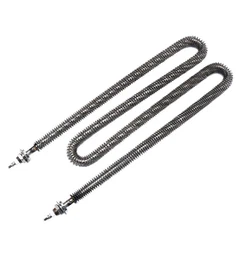
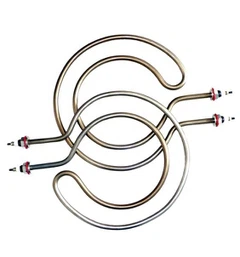
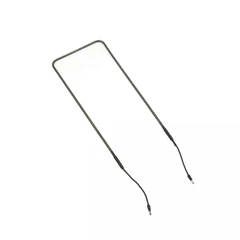
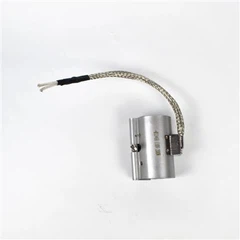
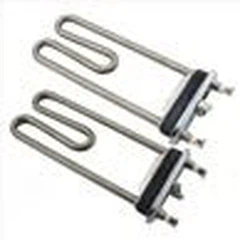
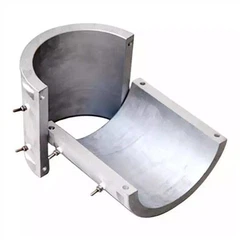
The main products contain immersion heating element, cartridge heating element, Finned heating element, Oven heating element, Ceramic heating element, Mica heating element, Washing Machine heating element. Band heating element, water heater thermostat. Heating Element Flange.
Rich Experience
ETDZ is established in the year 1986 ,own and operate several productive investment enterprises and also has established Ningbo Commercial Do Brasil Ltda., ETDZ HOLDINGS (Cambodia) Co., Ltd. and UNIFAME INDUSTRY LIMITED etc. Now it is a specialized developer and manufacturer of various kinds of heating element and thermostat.
Professional Technical Team
Our research and development department is constantly improving on current designs and techniques to take advantage of the latest in technology and apply these processes into your heating applications to make your heaters more durable and cost efficient. Our knowledge base and experienced sales executives can offer many suggestions and alternatives to your current heating projects so you can make a well informed decision with several alternative solutions.
What Is Immersion Heating Element?
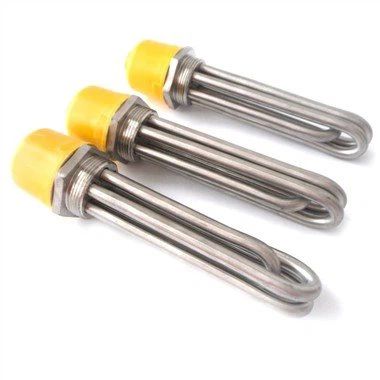
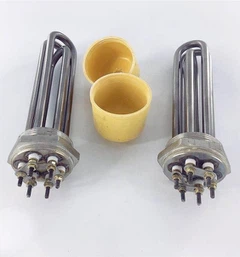
An immersion heating element is a fast, economical, and efficient method for heating liquids in tanks, vats, or equipment. Known as bayonet heaters, they have heating elements that can be directly inserted into a container of water, oil, or other material in order to heat the entire contents. By using the direct heat transfer of an immersion heater, liquids quickly reach the desired temperature. Made of bundles of tubing, immersion heaters can be mounted on the side of a container or submerged in the contents. Their heating coils transfer heat to the contents, which spreads throughout the container.
-
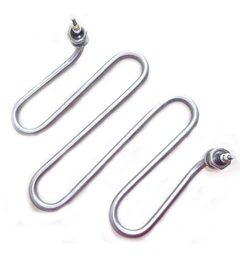
![U Shaped Electric Water Immersion Heating Element]() U Shaped Electric Water Immersion Heating ElementTubular heater is used for almost every kind of heating appliances. They are easy to form and feature highest mechanical stability and electric properties at the same time.view more
U Shaped Electric Water Immersion Heating ElementTubular heater is used for almost every kind of heating appliances. They are easy to form and feature highest mechanical stability and electric properties at the same time.view more -
![Heating element for water heater]() Heating element for water heaterImmersion heaters are a fast and efficient way of heating up various liquid solutions in processing equipment, as well as in large tanks through the use of tank immersion heaters.view more
Heating element for water heaterImmersion heaters are a fast and efficient way of heating up various liquid solutions in processing equipment, as well as in large tanks through the use of tank immersion heaters.view more -
![Immersion heater for oil tank]() Immersion heater for oil tankFlange immersion heater is made of seamless stainless steel tube, high-quality Mgo, High Ohm NiGr alloy wire.view more
Immersion heater for oil tankFlange immersion heater is made of seamless stainless steel tube, high-quality Mgo, High Ohm NiGr alloy wire.view more -
![Immersion Heater Element For Home Application]() Immersion Heater Element For Home ApplicationElectricity can come from renewable energy sources such as solar and hydropower, so you can be environmentally friendly when you buy.view more
Immersion Heater Element For Home ApplicationElectricity can come from renewable energy sources such as solar and hydropower, so you can be environmentally friendly when you buy.view more -
![Incoloy Immersion Heater in Square Flange]() Incoloy Immersion Heater in Square FlangeDesigned for heating liquids and gases in tanks and pressure vessels, industrial 9kw immersion heaters are ideal for applications requiring higher kilowatts.view more
Incoloy Immersion Heater in Square FlangeDesigned for heating liquids and gases in tanks and pressure vessels, industrial 9kw immersion heaters are ideal for applications requiring higher kilowatts.view more -
![Copper Immersion Water Heater Element]() Copper Immersion Water Heater ElementStainless steel brass tube body, resistant to rust and corrosion High-quality columns, filled with magnesium oxide, high temperature resistance, high insulationview more
Copper Immersion Water Heater ElementStainless steel brass tube body, resistant to rust and corrosion High-quality columns, filled with magnesium oxide, high temperature resistance, high insulationview more -
![Stainless Spiral Electric Floating Immersion Heater]() Stainless Spiral Electric Floating Immersion HeaterDescription Stainless Spiral Electric Floating Immersion Heater is a kind of home application or portable heater element.It is made of spiral shape and made of stainless steel commonly.Always equipped with cable and plug for connection....view more
Stainless Spiral Electric Floating Immersion HeaterDescription Stainless Spiral Electric Floating Immersion Heater is a kind of home application or portable heater element.It is made of spiral shape and made of stainless steel commonly.Always equipped with cable and plug for connection....view more -
![High density cartridge heater element]() High density cartridge heater elementDescription Waterproof oil immersion screw cartridge heater element is consist of a cylindrical stainless steel tube and thus provide a high corrosion prevention. Waterproof oil immersion screw cartridge heater element are manufactured...view more
High density cartridge heater elementDescription Waterproof oil immersion screw cartridge heater element is consist of a cylindrical stainless steel tube and thus provide a high corrosion prevention. Waterproof oil immersion screw cartridge heater element are manufactured...view more -
![Spiral Teflon Immersion Heater]() Spiral Teflon Immersion HeaterDescription Teflon heater fluoroplastic (PTFE) is made of imported raw materials such as Teflon and flon. It is used in highly corrosive liquids such as strong acid and alkali. Spiral teflon heating element is used in electroplating...view more
Spiral Teflon Immersion HeaterDescription Teflon heater fluoroplastic (PTFE) is made of imported raw materials such as Teflon and flon. It is used in highly corrosive liquids such as strong acid and alkali. Spiral teflon heating element is used in electroplating...view more -
![Solar water tank heater element]() Solar water tank heater elementDescription Threaded water tank heater element is welded thread on the basis heating element, thread can be choose metric thread, pipe thread and so on. Threaded water tank heater element is generally used for heating liquid, and the...view more
Solar water tank heater elementDescription Threaded water tank heater element is welded thread on the basis heating element, thread can be choose metric thread, pipe thread and so on. Threaded water tank heater element is generally used for heating liquid, and the...view more -
![Anti corrosion titanium heating element]() Anti corrosion titanium heating elementDescription Titanium corrosion resistant heater element is made by a titanium tube as the shell, along the center of the tube axial distribution of electric thermal alloy wire, the gap filled with compact magnesia with good insulation...view more
Anti corrosion titanium heating elementDescription Titanium corrosion resistant heater element is made by a titanium tube as the shell, along the center of the tube axial distribution of electric thermal alloy wire, the gap filled with compact magnesia with good insulation...view more -
![Incoloy800 Clamp Heating Element]() Incoloy800 Clamp Heating ElementIncoloy800 clamp heating element is a type of flanged heating element, it is a common flat flange heating tube is a little different. Its flange is thinner than the usual flat flange, the more common diameter is 64mm. They are usually...view more
Incoloy800 Clamp Heating ElementIncoloy800 clamp heating element is a type of flanged heating element, it is a common flat flange heating tube is a little different. Its flange is thinner than the usual flat flange, the more common diameter is 64mm. They are usually...view more


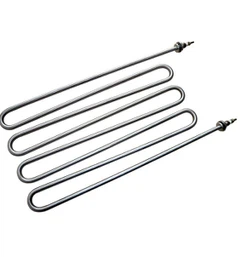
Formed tubular heaters are widely used to heat liquids, air or metals as a reliable, economical, and versatile way, which can be used in a large variety of applications, including those with size restrictions for small spaces. They allow for even heat distribution as well as a high dielectric strength.
Efficiency
Immersion heating elements are effective at heat transfer and use energy efficiently. They are an inexpensive method for heating large quantities of liquids without producing major waste. The basic design is to transfer energy directly into the medium, making immersion heating elements effective for preventing gelling and condensation.
Low Maintenance
Immersion heating elements require minimal maintenance, which makes them cost-effective. They are always operational and able to keep a facility running without downtime for upkeep or repairs. Since there are few moving parts, there is little chance for mechanical failure or the need to clean and maintain parts.
Versatility
Immersion heating elements can be used to heat a wide variety of materials. Depending on the industry, they are a convenient way to heat materials. Regardless of the conditions or material, an immersion heating element can be adapted to fit the circumstances. This flexibility and simplicity is the reason immersion heating elements are so widely used. The adaptability, reliability, and durability helps in avoiding the need to purchase replacement equipment when unusual or unique conditions arise.
Rapid Heat Transfer
Immersion heating elements are direct heating equipment that directly contacts a medium . They are the fastest heat transfer equipment available. Using immersion heating elements allows for quicker and efficient heat transfer to tanks and reservoirs. Their compact design maximizes the contact surface, which increases the speed of heat transfer and distribution.
Temperature Maintenance
Immersion heating elements have a higher degree of accuracy and reliability than other heating options. The direct heating feature allows immersion heating elements to exactly match the desired temperature. The even distribution of heat ensures that temperature readings will extend to the entire contents of the tank.
Ease of Installation
The ease of installation is due to their simple design, which eliminates any possibility of failure or error and makes them efficient and reliable. Easy installation results in shorter downtimes during installation, which minimizes losses and maintains efficiency. The easiest immersion heating element to install is an over-the-side heater. They can be installed without stopping the operation and easily fit over the side of an open tank or reservoir and can be skid-mounted for use in multiple tanks.
Safety
One of the main concerns for equipment installation is safety. Since immersion heating elements do not have moving parts or an open flame, they don‘t produce exhaust or present a safety hazard. When in operation, immersion heating elements do not produce any sound and are far quieter than any other form of heating method.
Eco Friendly
Many heating methods involve the use of some form of fuel. immersion heating elements are powered by electricity and do not produce pollutants. Since they do not create emissions or waste, they are eco friendly. With the rising need to preserve fuel and eliminate pollutants, many manufacturers are switching to immersion heating elements as an environmentally safe means for heating materials.
Types of Immersion Heating Element
Over-The-Side
Over-the-side immersion heating elements are meant to be installed from the top, but the heating happens along the side or bottom of the tank. It is shaped like a wand or a whisk extension of your mixer. This model is mostly used for industrial applications, and it isn’t commonly found in residential homes.
Flanged
Unlike the over-the-side immersion heating elements which have the metal coils at the end, the flanged immersion heating element has metal coils all the way, from top to bottom. The tubes are attached to a flange and are shaped like a circle. This model is something you are more likely to find in your house.
Screw Plug
A screw plug immersion heating element might not look too different from a flanged one. Both models are both great for circular tanks, and the metal coil runs from top to bottom. The main difference is how they are installed. The top part of a screw plug is well, a screw. You can see the thread up near the top of the heater. Again, this is something you are likely to find in your house.

Nuclear power
The basic use of an immersion heating element at nuclear power is to maintain the water pressure in the reactors and create steam.
Wastewater Management
Water temperature is important in wastewater management. immersion heating elements can help to achieve this temperature control. Additionally, the heaters eliminate bacteria that often exist when combining water from various reservoirs.
The Gas or Oil Industry
In cold and harsh weather, immersion heating elements can help prevent the oil and gas from becoming gel or wax. In such situations, over-the-side immersion heating is the best option.
Food Processing
Moisture is a breeding ground for bacteria and microorganisms. So, they are used in the food industry to meet government standards and quality standards.
Chemical Industry
In the chemical industry, they use to maintain a certain temperature for chemicals and prevent them from freezing. So, immersion heating elements with screw plugs, flanges, and over-the-sides are all used to keep chemicals safe.
How Does an Immersion Heating Element Work?
An immersion heating element works by transferring the heat generated by the electric resistance of the coiled wire to the material surrounding the metal tube. The heat transfer can occur by conduction, convection, or radiation, depending on the type and state of the material. For example, when an immersion heating element is used to heat a liquid, such as water or oil, the heat transfer occurs by convection, as the heated liquid rises and the cooler liquid sinks, creating a natural circulation that distributes the heat evenly. When an immersion heating element is used to heat a gas, such as air or steam, the heat transfer occurs by radiation, as the heated gas emits infrared rays that heat the surrounding surfaces. When an immersion heating element is used to heat a solid or a surface, such as a mold, a die, or a platen, the heat transfer occurs by conduction, as the heat flows from the hotter metal tube to the cooler solid or surface.
Faulty thermostat
The thermostat is the device that regulates the temperature of the water in the tank or cylinder. If the thermostat is defective, it may not sense the correct temperature and either overheat or underheat the water. This can result in scalding or freezing water, or no hot water at all. A faulty thermostat can also cause the immersion heating element to run continuously and waste electricity.
Faulty heating element
The heating element is the part of the immersion heating element that converts electricity into heat. It is usually made of metal and has a coil or loop shape. If the heating element is damaged, corroded, or burnt out, it may not heat the water effectively or at all. A faulty heating element can also cause the immersion heating element to trip the circuit breaker or blow a fuse.
Faulty wiring or connections
The wiring and connections of the immersion heating element are the parts that deliver electricity from the power supply to the heating element and the thermostat. If the wiring or connections are loose, frayed, or broken, they may cause a short circuit or a fire hazard. They may also prevent the immersion heating element from receiving enough power or any power at all.
Sediment build-up
Sediment is the accumulation of minerals, dirt, or rust that can form inside the tank or cylinder over time. Sediment can reduce the efficiency and lifespan of the immersion heating element by insulating the heating element and preventing heat transfer. Sediment can also clog the pipes and valves and affect the water pressure and flow.
Faulty timer or switch
The timer or switch is the device that controls when the heater is turned on or off. If the timer or switch is malfunctioning, it may not activate or deactivate the immersion heating element as intended. This can result in the immersion heating element running unnecessarily or not running at all.
How To Fix An Immersion Heating Element Not Working Properly
Check the power supply
Make sure that the immersion heating element is plugged in and switched on. Check the circuit breaker or fuse box and see if there is any tripped or blown fuse. If there is, reset or replace it and try the immersion heating element again. If the problem persists, there may be a fault in the wiring or connections of the immersion heating element.
Check the thermostat
Test the thermostat by turning it up or down and see if the water temperature changes accordingly. You can also use a multimeter to measure the resistance of the thermostat and see if it matches the manufacturer's specifications.
Check the heating element
Test the heating element by touching it carefully and see if it feels hot or cold. If the heating element is cold, it may not be receiving power or it may be burnt out. You can also use a multimeter to measure the resistance of the heating element and see if it matches the manufacturer's specifications. If the resistance is too high or too low, the heating element is defective and needs to be replaced.
Check the sediment build-up
Drain the tank or cylinder and inspect the inside for any signs of sediment. If there is a lot of sediment, you may need to flush the tank or cylinder with a descaling solution or vinegar to dissolve and remove the sediment. You may also need to replace the anode rod, which is a metal rod that prevents corrosion inside the tank or cylinder. If the anode rod is worn out or missing, it may cause the heating element to corrode faster and fail sooner.
Check the timer or switch
Test the timer or switch by turning it on or off and see if the immersion heating element responds accordingly. If the timer or switch is not working properly, it may need to be adjusted, repaired, or replaced.
Using an immersion heating element can reduce maintenance costs and ensure safety when heating water. First, it should be adequately insulated. Then it should be filled with the water to be heated, then submerged in the container near—but not touching—the container’s walls. A thermometer should be used to test the temperature of the container before and after inserting the heater to verify that it is adequately insulated from other surfaces, as heating happens quickly.
To prevent power overloads and potential electric shocks, users should always ensure that the wattage rating on their appliance matches or exceeds that of the electrical outlet and monitor circuit breakers located at the immersion heating element fuse box to ensure proper functioning.
Additionally, all insulation around hoses and cords should be applied following manufacturer recommendations for this product’s safe and secure use. It is highly recommended to install a thermostat to ensure your immersion heating element runs at an optimal temperature.
For hard water areas, the ideal temperature should be set at 50 °C. In the case of the twin immersion heating element, the top element should be set to a rating of approximately 49°C to 50°C, and the lower one to approx 59°C to 60°C. In soft water areas, both single and twin immersion heating elements should be set to 60°C for maximum efficiency.

Understand Your Heating Requirements
Before you start browsing through the options, it is essential to understand your specific heating requirements. Consider factors such as the volume of liquid you need to heat, the desired temperature range, the required heating time, and any other specific needs unique to your application. This understanding will help you narrow down your choices and select an immersion heating element that will meet your requirements efficiently.
Consider the Material
Immersion heating elements are available in various materials, each with its own set of advantages and limitations. The most common materials used for immersion heater elements include stainless steel, copper, titanium, and Incoloy. Stainless steel is a popular choice due to its corrosion resistance and durability. Copper is an excellent conductor of heat and is often used in applications requiring rapid heating. Titanium is preferred for its exceptional resistance to corrosion and chemical reactions.
Evaluate the Watt Density
Watt density refers to the amount of wattage generated per square inch of the heating element’s surface area. The watt density directly affects the element’s lifespan and performance. A higher watt density means a higher heat output, but it can also lead to premature burnout (depending on the material used). On the other hand, a lower watt density may result in slower heating and reduced efficiency. Consider your heating requirements and choose a watt density that strikes the right balance between performance and longevity.
Check for Safety Features
Safety should always be a top priority when selecting an immersion heating element. Look for elements that have built-in safety features such as over-temperature protection, low-water cutoff, and ground fault protection. These features can help prevent accidents and ensure the longevity of the heating element.
Consider Customisation Options
In some cases, off-the-shelf immersion heating elements may not fully meet your specific needs. If that is the case, consider working with a manufacturer who can provide customisation options. Customisation allows you to tailor the heating element to your exact requirements, ensuring optimal performance and efficiency.
Evaluate the Manufacturer
Lastly, when choosing an immersion heating element, it is crucial to evaluate the manufacturer’s reputation and reliability. Look for manufacturers with a track record of producing high-quality, durable, and efficient heating elements. Read customer reviews and seek recommendations from industry experts to ensure you are selecting a reliable product from a reputable manufacturer.
Does Immersion Heating Element Use a Lot of Electricity?
An immersion heating element is a device that is used to heat water in a tank or container. It consists of a heating element that is immersed in the liquid, hence the name. Many people use immersion heating elements to heat water in their homes for various purposes, such as bathing, washing dishes, and doing laundry. However, one common question that often arises is whether immersion heating elements use a lot of electricity.
The answer to this question is not straightforward, as the amount of electricity used by an immersion heating element depends on various factors, such as the size and power of the heater, the temperature of the water being heated, and the duration of use. In general, immersion heating elements tend to be more energy-efficient than traditional water heating methods, such as gas or oil boilers, as they only heat the water that is needed, rather than heating a tank of water continuously.
That being said, immersion heating elements can still consume a significant amount of electricity, especially if they are used frequently and for long periods of time. According to energy experts, the average immersion heating element can consume between 1.5 to 2.5 kWh of electricity per hour, depending on its power rating. This means that if you use your immersion heating element for one hour a day, it could add up to around 45 to 75 kWh per month, which can result in a noticeable increase in your electricity bill.
To reduce the amount of electricity consumed by your immersion heating element, there are several steps you can take. For example, you can reduce the temperature of the water being heated, as heating water to a lower temperature requires less energy. You can also insulate your water tank to prevent heat loss, which can help to reduce the amount of time your immersion heating element needs to run. Additionally, consider using a timer to schedule when your immersion heating element operates, so it only heats water when needed.
Our Certifications
The trademark of “NBETDZ” has also been selected for “Ningbo export famous brand” and “Zhejiang export famous brand”, and appraised as the AEO advanced certification enterprise of the customs. The company was awarded the title of “Example Enterprise for Trade & Logistic”. Be granted quality ISO 9001, environmental ISO14001 and occupational health ISO45001 those three management system certificates.

Our Factory
ETDZ is established in the year 1986 ,own and operate several productive investment enterprises and also has established Ningbo Commercial Do Brasil Ltda., ETDZ HOLDINGS (Cambodia) Co., Ltd. and UNIFAME INDUSTRY LIMITED etc.With uncompromised dedication to our customers, we offer solutions and not just products.Now it is a specialized developer and manufacturer of various kinds of heating element and thermostat.

Ultimate FAQ Guide to Immersion Heating Element
Q: How does an immersion heating element work?
Q: What are the operating temperatures of an immersion heating element?
Q: What are the applications of an immersion heating element?
Q: What are the elements of immersion heating elements?
Q: What is the life expectancy of an immersion heating element?
Q: What length immersion heating element do I need?
Q: Why do immersion heaters have two elements?
Q: How many watts does an immersion heating element use?
Q: Is there a thermostat on an immersion heating element?
Q: How many ohms should a immersion heating element read?
Q: How long does immersion heating element keep water hot for?
Q: How long should an immersion heating element last?
Q: What happens if immersion heating element is left on?
Q: What is inside a water heating element?
Q: Where are the immersion heating elements in a hot water heater?
Q: How do you test an immersion heating element?
Q: How do you control an immersion heating element?
Q: Do all water heaters have immersion heating elements?
Q: What is the difference between a boiler and an immersion heating element?
Q: How long does immersion heating element keep water hot for?
As one of the most professional immersion heating element manufacturers and suppliers in China for 35 years, we're featured by quality products and good service. Please rest assured to wholesale customized immersion heating element made in China here from our factory. Contact us for free sample.
Stainless Steel Immersion Heating Element, titanium immersion heater element, 3000W Stainless Steel Electric Immersion Heater Element