

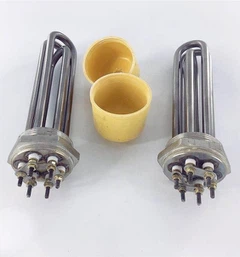
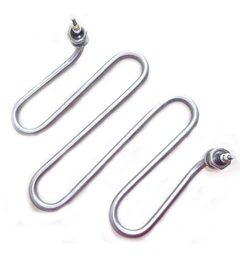
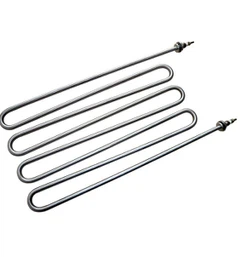


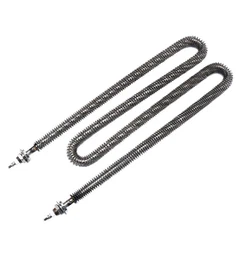



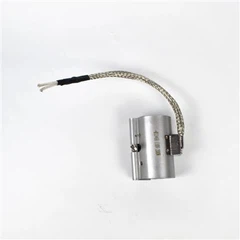

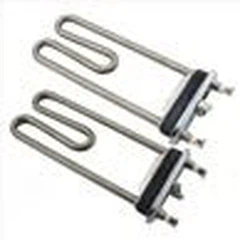
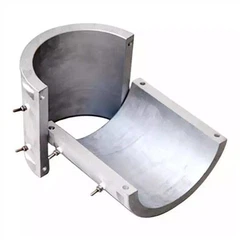





Can a furnace heating element be used in a radiant heating system? That's a question I get asked a lot as a furnace heating element supplier. In this blog, I'll dig into this topic, share some insights, and help you figure out if it's a good fit for your needs.
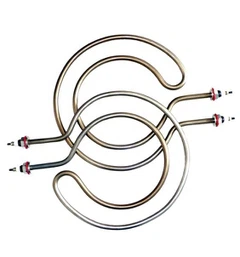
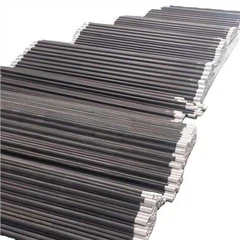
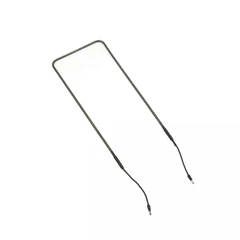
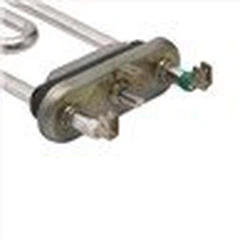
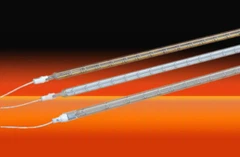
First off, let's understand what a furnace heating element and a radiant heating system are. A furnace heating element is the part of a furnace that generates heat. It works by converting electrical energy into heat energy. There are different types of heating elements, like the Sic Heating Element For Lab, the 1800°C MoSi2 Heating Element, and the 1400C Silicon Heating Element For High Temperature Furnace. Each has its own unique properties and is designed for specific applications.
On the other hand, a radiant heating system works by emitting infrared radiation to heat objects and people directly, rather than heating the air. This type of system is often used in homes, offices, and industrial settings because it's energy - efficient and provides a more comfortable heating experience.
So, can a furnace heating element be used in a radiant heating system? The short answer is, it depends.
Compatibility of Furnace Heating Elements with Radiant Heating Systems
One of the main factors to consider is the temperature requirements. Furnace heating elements are designed to reach high temperatures to heat large volumes of air in a furnace. Radiant heating systems, however, usually operate at lower temperatures to provide a more gentle and even heat. For example, a furnace might need to reach temperatures of 1000°C or more, while a radiant heating system in a home might only need to reach around 50 - 80°C.
If you try to use a high - temperature furnace heating element in a low - temperature radiant heating system, it could lead to overheating and potentially damage the system. On the flip side, if you use a low - temperature element in a high - temperature furnace, it won't be able to generate enough heat.
Another aspect is the power consumption. Furnace heating elements are often designed to draw a large amount of power to quickly heat up the furnace. Radiant heating systems are typically more energy - efficient and are designed to operate with lower power consumption. Using a high - power furnace heating element in a radiant heating system could lead to excessive energy usage and higher electricity bills.


Advantages of Using Furnace Heating Elements in Radiant Heating Systems
Despite the challenges, there are some advantages to using furnace heating elements in radiant heating systems. For one, furnace heating elements are generally more durable and can withstand high temperatures and harsh environments. This means that they can have a longer lifespan compared to some traditional radiant heating elements.
Also, if you have a large - scale radiant heating project, like in an industrial warehouse, a furnace heating element might be able to provide the necessary heat output. These elements are designed to heat large spaces, so they can be a good fit for large - area radiant heating applications.
Disadvantages of Using Furnace Heating Elements in Radiant Heating Systems
As mentioned earlier, the main disadvantage is the potential for overheating and energy inefficiency. The mismatch in temperature and power requirements can lead to a system that doesn't work as well as it should.
Another issue is the cost. Furnace heating elements can be more expensive than some dedicated radiant heating elements. If you're on a tight budget, it might not be the most cost - effective option.
How to Determine if a Furnace Heating Element is Right for Your Radiant Heating System
If you're considering using a furnace heating element in your radiant heating system, here are some steps you can take:
- Assess your heating needs: Determine the temperature and heat output requirements of your radiant heating system. Consider the size of the space you need to heat, the insulation of the area, and the desired comfort level.
- Research different heating elements: Look into the different types of furnace heating elements available, such as the Sic Heating Element For Lab, 1800°C MoSi2 Heating Element, and 1400C Silicon Heating Element For High Temperature Furnace. Compare their temperature ratings, power consumption, and durability.
- Consult with an expert: If you're not sure which heating element is right for your system, it's a good idea to consult with a professional. They can help you analyze your needs and recommend the best option.
Conclusion
In conclusion, while it is possible to use a furnace heating element in a radiant heating system, it's not always the best choice. You need to carefully consider the temperature requirements, power consumption, and cost. If you have a large - scale project with high - heat demands, a furnace heating element might be a viable option. But for smaller, more energy - efficient applications, a dedicated radiant heating element might be a better fit.
If you're interested in learning more about furnace heating elements or have questions about using them in your radiant heating system, feel free to reach out. We're here to help you make the best decision for your heating needs.
References
- Smith, J. (2020). Heating Element Basics. Heating Technology Journal.
- Johnson, A. (2019). Radiant Heating Systems: Principles and Applications. Building Science Review.


