












Description
What is the temperature range of a MoSi2 heating element? Unlock 1800°C Performance for Your Lab
In short, a MoSi₂ heating element can typically operate at temperatures between 1600°C and 1900°C (2912°F to 3452°F). However, the precise maximum temperature is not a single value; it depend to the specific grade of the element and the atmospheric conditions within the furnace.
The key to successfully using MoSi₂ elements is understanding that their extraordinary temperature capability is directly tied to their unique chemistry. They are not universally applicable high-temperature heaters; they are specialized tools that thrive in oxidizing environments but are vulnerable to mechanical shock and thermal cycling.
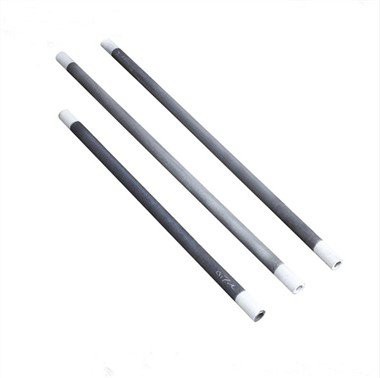
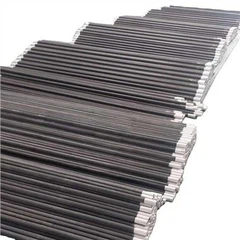
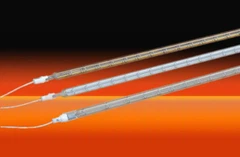
1800°C MoSi2 Heating Element is a heating component basic on molybdenum silicide,it is used in high temperature under the oxidizing atmosphere, it looks like glass in it's surface and form a light SiO2 , glass film which can protect the element not to be oxidized. So this kind of element has unique effect for resisting oxidization in the high temperature. Ii is used to the highest temperature up to 1800 ℃ during oxidizing atmosphere. And the applicable temperature is 500-1700℃.
Application: It can be used for the heater of industry high-temperature furnace in ceramic, magnet, glass ,metallurgy, refractory etc.
Silicon molybdenum bar is mainly divided into 1700 grade and 1800 grade, the temperature of different grades is also different, can be selected according to the highest temperature of the customer.
1800°C MoSi2 Heating Element in high temperature oxidation atmosphere, the surface will form a layer of quartz protective layer to prevent molybdenum disilicide oxidation. When the element temperature is greater than 1700℃, the quartz protective layer melts, the element continues to be used in an oxidizing atmosphere, and the quartz protective layer is regenerated. Molybdenum disilicide should not be used in the temperature range of 400℃-700℃ for a long time, otherwise the element will be pulverized due to strong oxidation at low temperature.
The resistivity of element rapidly rises as the temperature rises. Under normal operating conditions, generally the element resistance doesn't change with the service life changing, so the old elements can be mixed used.
The core value of a MoSi2 element is not just its high-temperature tolerance, but its "smart" material property: it creates its own protective, renewable shield against oxidation, making it uniquely suited for continuous, high-heat operations in an oxygen-rich environment.
The core principle is A self-healing protective layer. The remarkable performance of MoSi2 elements stems from a chemical reaction that occurs at high temperatures. This is the key to their longevity and reliability in harsh furnace environments.
Attentions to the assemble
1. When installing the mosi2 heating element, insulation cotton sleeves should be placed at both ends to separate the silicon carbide rods from the electrode bricks. Otherwise, the rods and the electrode bricks will be stuck together by the glass volatiles. The heat resistance temperature of the sleeves must be compatible with the temperature of the feeding path. If the heat resistance temperature is too low, the melting of the sleeves will instead corrode the silicon carbide rods.
2. The holes for the rods must be precisely aligned to ensure that the rods can rotate freely 360 degrees after being installed, and they must not be jammed.
3. A certain safety distance must be maintained between the mosi2 heating element, the material tray cover plate and the material liquid surface. If the rod is too close to the cover plate, it will cause local overheating of both; if the rod is too close to the material liquid surface, the corrosion of the glass material on the rod will be exacerbated.

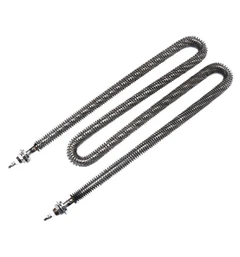
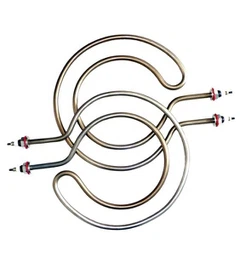
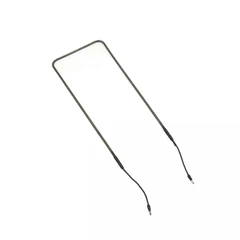
Types: Pole, U-shape, W-shape and U-right angle shape
Size: diameters 3/6,6/12, 9/18, 12/24mm and in lengths up to 2000mm
Price: competitive and wholesale price
Delivery: fast and timely delivery
Package: special and more protective packing marked with" fragile, handle with care".
The replacement of the silicon molybdenum rod must be handled lightly, because the silicon molybdenum rod is relatively brittle and easy to break because of external force.
The deformation rate of silicon molybdenum rod is generally 4%, so the gap between the hot end of the silicon molybdenum rod and the bottom of the furnace must exceed 4% of the length of the silicon molybdenum rod, and the silicon molybdenum rod will be deformed when placed at high temperature because of sagging.
Product Detail


What benefit we can get from you?
1) Competitive price
2) High quality control : 100% full inspection before shipment
3) High precision, tolerance can be ± 0.005mm
4) Fast lead time (5-7days for samples, 7-30 days for mass production)
5) Non-standard//OEM//customized service provided
6) No MOQ, small QTY is acceptable.
7) ISO 9001:2003 and ISO13485:2008 certificated factory, ROHS material used
9) Professional export packing: Carton+Wooded Case, keep no scratch and damage
Packing

Hot Tags: 1800°C MoSi2 Heating Element, China, suppliers, manufacturers, factory, customized, wholesale, free sample, made in China, Furnace Heating Element, Tube Furnace Heating Elements, Furnace Spiral Heating Elements, Carrier Furnace Heating Element