










Transporting a boiler heating element can be a tricky task. As a supplier of boiler heating elements, I've seen firsthand the importance of getting this right. A damaged heating element can lead to a lot of headaches for both the supplier and the customer, so it's crucial to find the best way to transport these components safely.
Understanding the Boiler Heating Element
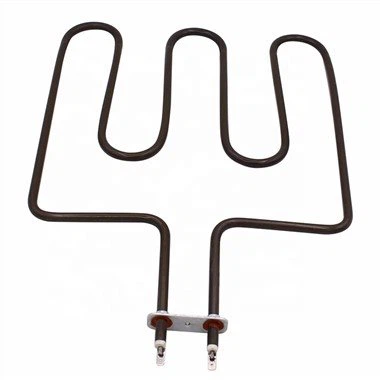
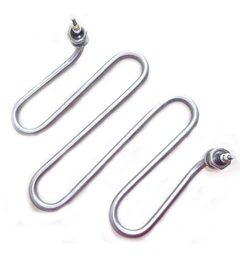
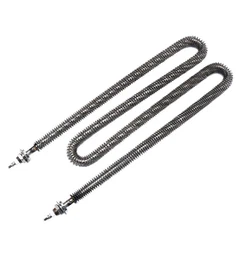
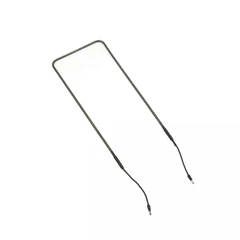
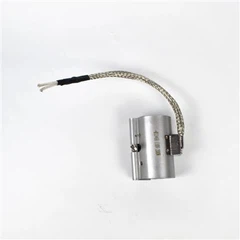
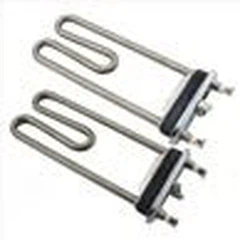
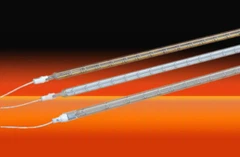
Before we dive into the transportation methods, let's quickly understand what a boiler heating element is. Boiler heating elements are used to heat water or other fluids in boilers. They come in different shapes, sizes, and materials. For instance, we have Stainless steel instant water heater element, which are designed for instant water heating systems. These elements are made of stainless steel, which is durable and resistant to corrosion.
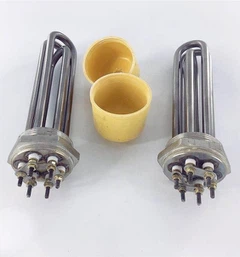
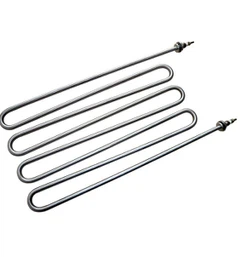
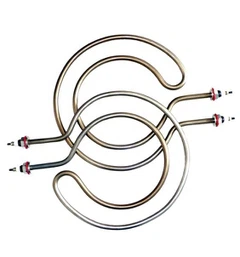
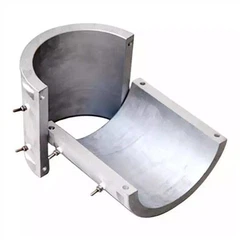
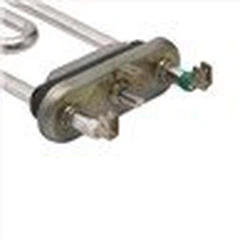
We also offer Stainless steel flanged immersion heater. These are typically used in larger boilers and are attached to the boiler using a flange. And then there's the 8kw electric boiler heating element, which is a high - power element suitable for big - scale heating applications.
Factors Affecting Transportation
There are several factors that need to be considered when transporting boiler heating elements.
Size and Weight
Boiler heating elements can vary greatly in size and weight. Smaller elements might be easy to handle and transport, but larger ones can be quite cumbersome. For example, an 8kw electric boiler heating element is usually larger and heavier than a standard instant water heater element. This means that special equipment might be needed to lift and move these larger elements.


Fragility
Even though many boiler heating elements are made of durable materials like stainless steel, they can still be fragile. The heating coils inside the elements can be damaged if they are not handled properly. A small dent or bend in the coil can affect the performance of the element.
Environmental Conditions
The environmental conditions during transportation can also have an impact. Extreme temperatures, humidity, and vibrations can all cause damage to the heating elements. For example, if the elements are exposed to high humidity for a long time, they might start to corrode.
Best Transportation Methods
Packaging
Proper packaging is the first step in ensuring safe transportation. We use high - quality packaging materials to protect the heating elements. For smaller elements, we use custom - made foam inserts that fit the shape of the element perfectly. This helps to prevent any movement during transit.
For larger elements, we use wooden crates. The crates are lined with shock - absorbing materials like bubble wrap or foam sheets. This not only protects the element from physical damage but also from vibrations.
Shipping Options
There are different shipping options available, and the choice depends on the size, weight, and destination of the heating element.
- Ground Shipping: This is a common option for transporting boiler heating elements within a local or regional area. It's relatively cost - effective, but it might take longer compared to other options. When using ground shipping, we make sure that the elements are secured properly in the truck to prevent any shifting during the journey.
- Air Shipping: For long - distance or international shipments, air shipping is a good option. It's faster, which reduces the time the element is in transit. However, it can be more expensive. We take extra care when preparing the elements for air shipping, as they will be exposed to different pressure and temperature conditions during the flight.
Handling During Transportation
The way the heating elements are handled during transportation is also crucial. The carriers should be trained to handle these delicate components. They should avoid dropping or rough handling the packages. We also recommend that the carriers use proper lifting equipment when moving the larger elements.
Insurance
It's always a good idea to get insurance for the boiler heating elements during transportation. Accidents can happen, and insurance can provide financial protection in case the elements are damaged or lost. We usually work with reliable insurance providers to ensure that our customers' shipments are covered.
Tips for Customers
If you're a customer who is receiving a boiler heating element, here are some tips:
- Inspect the package as soon as it arrives. Look for any signs of damage on the packaging. If the package looks damaged, don't open it immediately. Contact the supplier right away.
- Once you open the package, check the element for any visible damage. If you find any issues, inform the supplier within a reasonable time frame.
Conclusion
Transporting a boiler heating element requires careful planning and attention to detail. By using proper packaging, choosing the right shipping option, and ensuring proper handling, we can minimize the risk of damage during transportation. As a supplier, we are committed to providing high - quality boiler heating elements and ensuring that they reach our customers in perfect condition.
If you're interested in purchasing boiler heating elements, we'd love to hear from you. Whether you need a Stainless steel instant water heater element, a Stainless steel flanged immersion heater, or an 8kw electric boiler heating element, we have a wide range of products to meet your needs. Contact us to discuss your requirements and get a quote.
References
- General knowledge of boiler heating element manufacturing and transportation practices.
- Industry standards and guidelines for shipping fragile and high - value components.