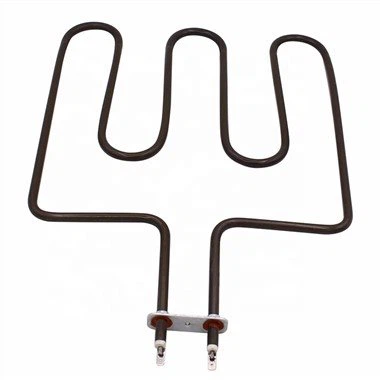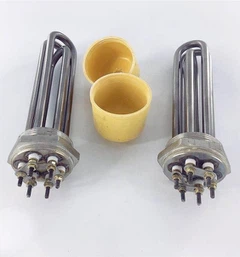
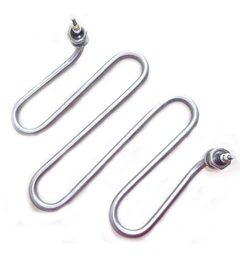
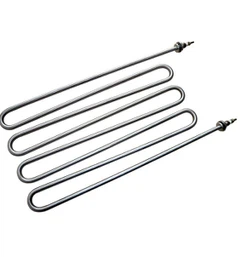











Hey there, folks! If you're dealing with a water heater that's not heating water like it should, chances are the water heating element might be the culprit. As a water heating element supplier, I've seen my fair share of these heating elements, and I'm here to walk you through the process of installing a new one.
First things first, safety is super important. Before you start working on your water heater, make sure to turn off the power supply. If it's an electric water heater, switch off the circuit breaker that controls it. For a gas water heater, turn off the gas supply. This is crucial to prevent any electrical shocks or gas leaks.
Next, you'll need to drain the water heater. Locate the drain valve at the bottom of the tank. Place a large bucket or a hose leading to a drain nearby. Open the drain valve and let the water flow out. It might take a while, especially if your water heater is a large one. While the water is draining, you can also open a hot water faucet in your house to help the water drain more quickly.
Once the water heater is drained, it's time to find the old heating element. In most electric water heaters, the heating elements are located on the side of the tank. You'll see a metal cover plate held in place by screws. Use a screwdriver to remove the screws and take off the cover plate. Underneath, you'll find the heating element and its wiring.
Before you remove the old heating element, take a picture of the wiring. This will help you reconnect the new element correctly. Use a socket wrench to loosen the nuts that hold the element in place. Once the nuts are loose, carefully pull the old element out of the tank.
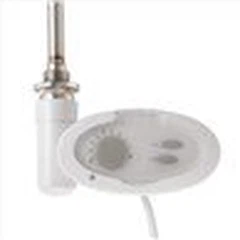
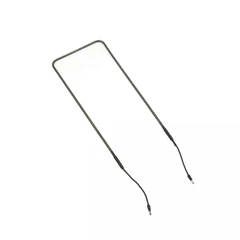
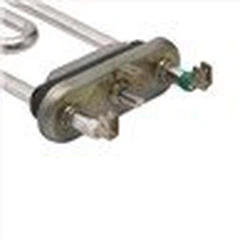
Now, it's time to install the new heating element. We offer a great selection of heating elements, like the 240v 2400w Water Heating Element With Thermostat Tube. It's a high - quality option that will get your water heater working like new again.
Before inserting the new element, make sure to clean the opening in the tank. Remove any debris or sediment that might be there. Apply a small amount of plumber's tape to the threads of the new element. This will help create a tight seal and prevent leaks.
Insert the new element into the tank and hand - tighten the nuts. Then, use the socket wrench to give them a final, firm tightening. But be careful not to over - tighten, as this could damage the element or the tank.


Next, it's time to reconnect the wiring. Refer to the picture you took earlier to make sure you connect the wires correctly. Usually, there are two wires connected to the element. Make sure the connections are tight and secure.
After reconnecting the wiring, put the cover plate back on and secure it with the screws. Now, it's time to refill the water heater. Close the drain valve and turn on the cold water supply. Let the tank fill up. You'll know it's full when water starts flowing out of the hot water faucet you opened earlier. Turn off the hot water faucet.
Finally, turn the power supply back on (for electric water heaters) or the gas supply (for gas water heaters). Your water heater should start heating the water. Give it some time to reach the desired temperature.
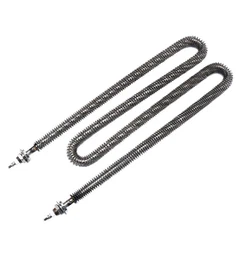
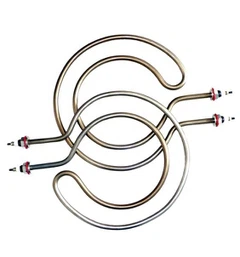
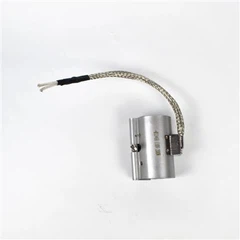
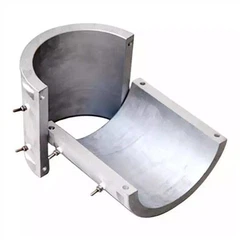
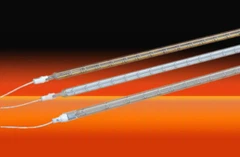
If you're in the market for other types of heating elements, we also have the 220v Finned Tubular Pizza Oven Heating Element for those who love making pizzas at home. And for more specialized needs, our Spiral type immersion heating element is a great option.
We're always here to help you with your heating element needs. Whether you're a DIY enthusiast or a professional plumber, our high - quality heating elements are designed to meet your requirements. If you have any questions about our products or need more information on installation, don't hesitate to reach out. We're ready to assist you in finding the perfect heating element for your application.
If you're interested in purchasing our water heating elements, feel free to contact us for a detailed quote and to discuss your specific needs. We're eager to start a conversation and help you get the best heating solution for your home or business.
References:
- General knowledge from years of experience as a water heating element supplier.
- Manufacturer's instructions for water heater maintenance and heating element installation.