










What is the heat - transfer mechanism of ceramic heating elements?
As a supplier of ceramic heating elements, I am often asked about the heat - transfer mechanism of these remarkable components. Ceramic heating elements have become increasingly popular in various industries due to their high efficiency, durability, and precise temperature control. In this blog, I will delve into the heat - transfer mechanisms of ceramic heating elements, exploring how they work and why they are so effective.
1. Introduction to Ceramic Heating Elements
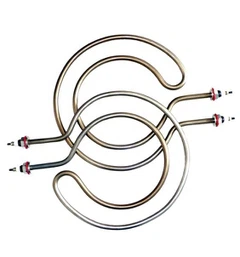
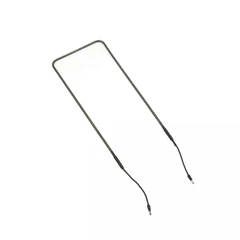
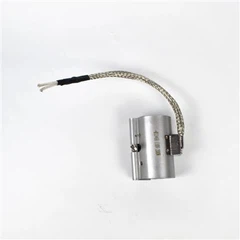
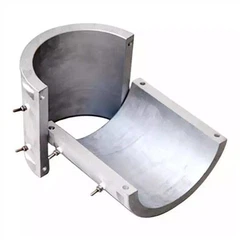
Ceramic heating elements are made from ceramic materials, which possess excellent electrical and thermal properties. These elements are designed to convert electrical energy into heat energy efficiently. There are different types of ceramic heating elements available in the market, such as Alumina Ceramic Heating Element, Full arc ceramic panel heater, and Micro Ceramic Heating Element. Each type has its own unique characteristics and applications.
2. Basic Heat - Transfer Modes
Before we discuss the heat - transfer mechanism of ceramic heating elements, it is essential to understand the three basic modes of heat transfer: conduction, convection, and radiation.
- Conduction: Conduction is the transfer of heat through a material by direct contact. In a ceramic heating element, when an electric current passes through the element, the electrons collide with the atoms in the ceramic material. These collisions generate heat, which is then conducted through the ceramic. The rate of heat conduction depends on the thermal conductivity of the ceramic material. Ceramics with high thermal conductivity can transfer heat more efficiently.
- Convection: Convection is the transfer of heat by the movement of a fluid (liquid or gas). When a ceramic heating element heats up, it warms the surrounding air or liquid. The warm fluid becomes less dense and rises, while the cooler fluid moves in to take its place. This creates a convection current that helps to transfer heat away from the heating element. In applications such as space heaters or liquid heaters, convection plays a crucial role in distributing the heat evenly.
- Radiation: Radiation is the transfer of heat in the form of electromagnetic waves. Ceramic heating elements can emit infrared radiation when heated. This radiation can travel through a vacuum or air and is absorbed by objects in its path, causing them to heat up. Infrared radiation is particularly useful in applications where direct heating of objects is required, such as in infrared heaters for industrial processes or food drying.
3. Heat - Transfer Mechanism in Ceramic Heating Elements
Conduction in Ceramic Heating Elements
In a ceramic heating element, the electrical resistance of the ceramic material causes it to generate heat when an electric current passes through it. The heat is then conducted through the ceramic body. The ceramic material has a crystalline structure, and the atoms in the crystal lattice vibrate when heated. These vibrations are transferred from one atom to another, resulting in the conduction of heat.
The thermal conductivity of the ceramic material is an important factor in determining the efficiency of heat conduction. Some ceramic materials, such as alumina, have relatively high thermal conductivity, which allows for efficient heat transfer. Additionally, the design of the heating element, such as its shape and thickness, can also affect the conduction of heat. For example, a thinner ceramic element may conduct heat more quickly than a thicker one.
Convection in Ceramic Heating Elements
When a ceramic heating element is used in an air - filled environment, convection plays a significant role in heat transfer. As the heating element heats up, it warms the surrounding air. The warm air rises, creating a natural convection current. This convection current helps to carry the heat away from the heating element and distribute it throughout the space.
In some applications, forced convection may be used to enhance heat transfer. For example, a fan can be used to blow air over the ceramic heating element, increasing the rate of heat transfer. This is commonly seen in electric heaters, where the fan helps to circulate the warm air more effectively.
Radiation in Ceramic Heating Elements
Ceramic heating elements can emit infrared radiation when heated. The amount of radiation emitted depends on the temperature of the element. As the temperature of the ceramic heating element increases, the intensity of the infrared radiation also increases.
Infrared radiation has several advantages in heat - transfer applications. It can directly heat objects without heating the air in between, which is particularly useful in applications such as industrial drying or cooking. For example, in a ceramic infrared heater, the infrared radiation is absorbed by the object being heated, causing it to heat up quickly and efficiently.
4. Factors Affecting Heat - Transfer Efficiency
Several factors can affect the heat - transfer efficiency of ceramic heating elements:
- Material Properties: The thermal conductivity, electrical resistivity, and emissivity of the ceramic material are important factors. Materials with high thermal conductivity and emissivity can transfer heat more efficiently.
- Design of the Heating Element: The shape, size, and thickness of the heating element can affect heat transfer. A well - designed heating element can maximize the surface area for heat transfer and ensure uniform heat distribution.
- Operating Conditions: The temperature, power input, and surrounding environment can also impact heat transfer. For example, in a high - humidity environment, the heat - transfer efficiency may be reduced due to the presence of moisture.
5. Applications of Ceramic Heating Elements
Ceramic heating elements are used in a wide range of applications, including:
- Household Appliances: Ceramic heating elements are commonly used in electric heaters, hair dryers, and coffee makers. Their high efficiency and precise temperature control make them ideal for these applications.
- Industrial Processes: In industrial settings, ceramic heating elements are used for processes such as drying, curing, and melting. They can provide high - temperature heating and are resistant to corrosion and wear.
- Automotive Industry: Ceramic heating elements are used in automotive applications, such as seat heaters and engine pre - heaters. They can quickly heat up and provide a comfortable environment for passengers.
6. Conclusion and Call to Action
In conclusion, the heat - transfer mechanism of ceramic heating elements involves conduction, convection, and radiation. These elements are highly efficient in converting electrical energy into heat energy and are suitable for a wide range of applications. As a supplier of ceramic heating elements, we offer a variety of high - quality products, including Alumina Ceramic Heating Element, Full arc ceramic panel heater, and Micro Ceramic Heating Element.
If you are interested in purchasing ceramic heating elements for your specific application, we invite you to contact us for further discussion. Our team of experts can provide you with detailed information and help you choose the most suitable product for your needs.


References
- Incropera, F. P., & DeWitt, D. P. (2002). Fundamentals of Heat and Mass Transfer. John Wiley & Sons.
- Cengel, Y. A., & Ghajar, A. J. (2015). Heat and Mass Transfer: Fundamentals and Applications. McGraw - Hill Education.