



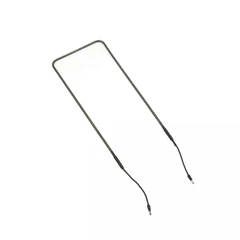

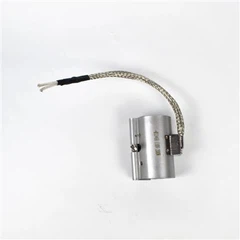

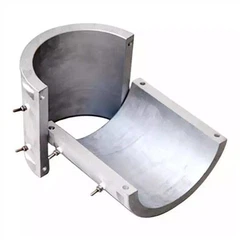





We called this page "Energy destruction" although energy cannot be destroyed (but only be converted).
Nevertheless, what we describe here is what one would colloquially call energy destruction: the conversion of electrical excess energy to heat.
Task: using electrical excess energy
Energy suppliers are increasingly facing the problem of a highly fluctuating power supply by photovoltaic and wind power systems which do not comply with the required amount of energy (keyword: balancing energy or power-to-heat)
In these cases one would like to "destroy" the excess energy (or to say it better: to store or provide the electrical excess energy in the form of heating energy).
The same applies to times when e.g. engine-based cogeneration plants have to be run at an unfavourable operating point or are not allowed to supply.
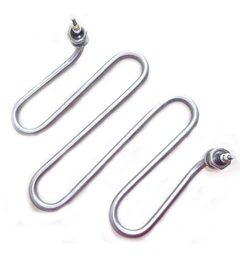
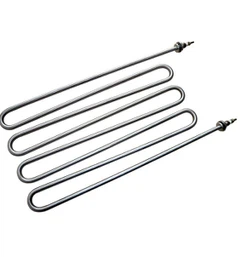
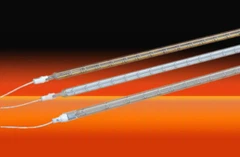
But there is a practicable solution to using electrical heating elements for converting electrical energy to heat which e.g. may be stored in a district heat supply network or can be used.
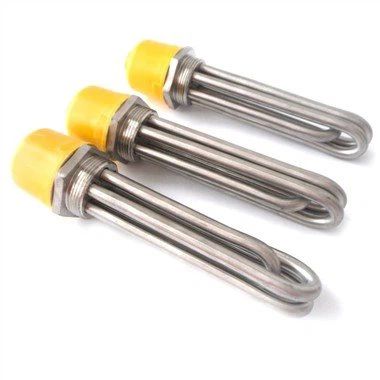
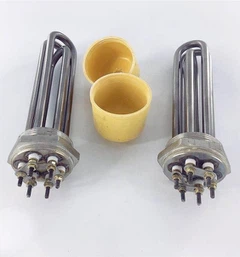
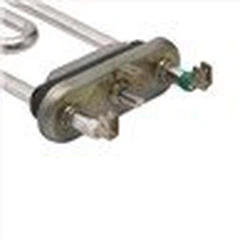
Electrical flow-type heater
Thus, the low inertia of the electrical heater can be used during minutes when the electricity price is negative.
For example, the electrical flow-type heater is operated in the auxiliary circuit of the district heat supply line and will be connected by a circuit-breaker whenever there is excess energy in the network.
The thermal energy will then be transferred to the heat supply side or to a buffer storage. The electrical power installed in such an application will then amount from some hundred kilowatts to some megawatts.
The flow-type heater may be installed at any place in the network, depending on whether a return temperature increase or a variable lead temperature can be tolerated.
You will find the suitable products from heatsystems within the category products bzw. heating of liquids