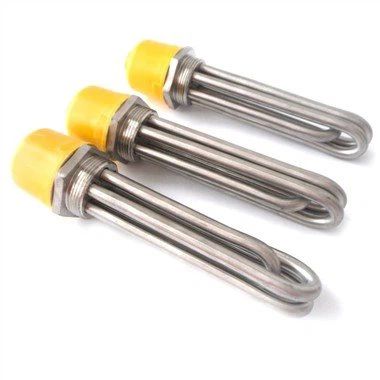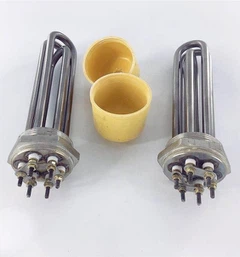
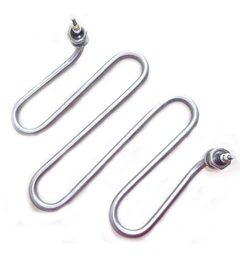
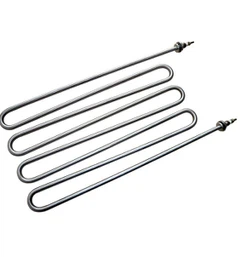


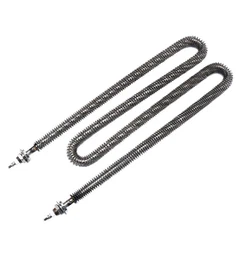
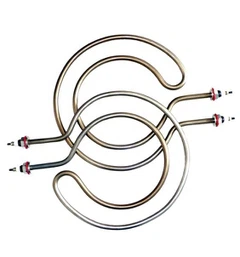


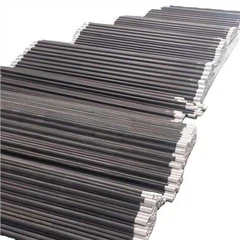
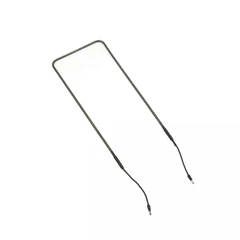

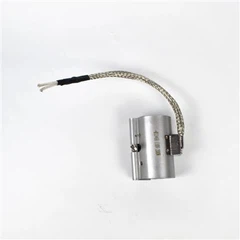

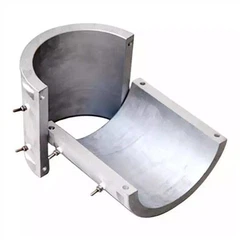


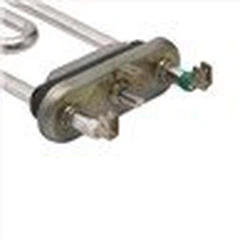

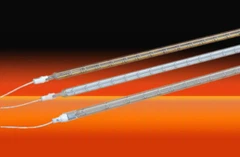


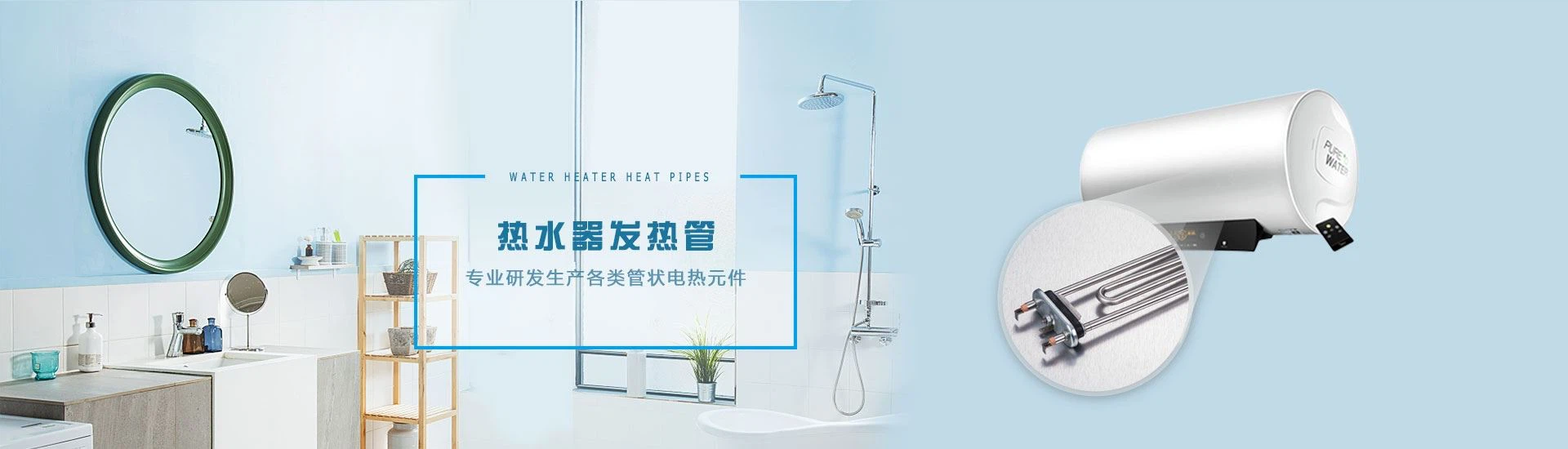
Immersion heaters are a popular application in the oil & gas, petrochemical and manufacturing industries. Their operational principle is simple and is based on the direct heating of a fluid body when the immersed heating element is operating while placed inside the fluid body.
The most common design involves a heating element directly submerged in the target medium. The elements transfer heat to a colder mass via conduction. However, depending on the presence of a flow of the fluid or even the occurrence of a flow due to temperature changes, the heat transfer can also occur via convection.
In most applications, the immersed heater is an electrically powered resistance that reaches efficiencies of 100% in the energy transformation. Since the actual heating resistance is covered, the monitoring of the energy transformation efficiency always presents a short hysteresis which is not to be confused with a loss of efficiency. The electrical energy passing through the resistance is completely transformed into thermal energy which first is used to increase the temperature of the cover and the rest of the mechanical components of the heater, before it can be used to raise the temperature of the actual fluid. Modern controllers include this time delay in the calculations for the ON/ OFF or electrical power decrease/ increase signals to the power source.
Mechanisms of Heat Transfer
Generally, heat transfers via three mechanisms; conduction, convection and radiation.