



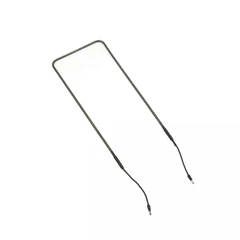

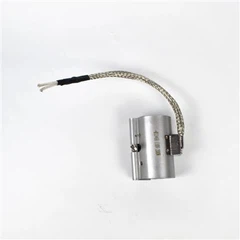

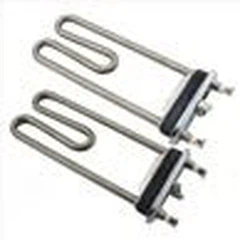
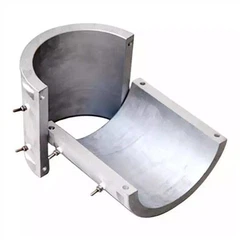





The heating elements in 3D printers are crucial for achieving and maintaining the temperature required for successful printing. The most commonly used heating elements in 3D printers include:
Cartridge heater
Description: These cartridge heaters inserted into the hot end of a 3D printer. It is mainly used for heating the extruder of 3D printers.
Usage: They are typically used for heating nozzles and melting filaments.
Material: Stainless steel, with a ceramic core, usually filled with high-temperature heating wire.
Voltage and power: Generally, there are various voltages (12V, 24V) and rated powers (30W, 40W, 60W)

Silicone rubber heater
Description: A flexible heating pad made of silicone rubber with embedded heating elements.
Usage: It is usually used to heat the print bed to ensure the first layer adheres correctly.
Popular material: Silicone with internal nickel-chromium wire or etched foil heating elements.
Voltage and power: Different voltages (12V, 24V, 110V, 220V) and power ratings are provided based on the size of the bed.

Kapton heater
Description: A thin and flexible heater made of Kapton (polyimide) film with an adhesive backing.
Usage: It is also used for heating print beds.
Popular material: Kapton with etched foil heating element.
Voltage and power: Similar to silicone heaters, it has multiple voltage and power levels.

PTC (Positive Temperature Coefficient) heater
Description: Self-regulating heater, which increases resistance as the temperature rises to prevent overheating.
Usage: It is used for heating nozzles and beds in some applications.
Popular materials: Usually made of ceramic materials that exhibit PTC behavior.
Voltage and power: Diverse, depending on the specific application.