










Searching for a "best" material for heating element is misleading. The critical task is to match the material's properties-primarily its temperature limit and atmospheric reactivity-to the specific demands of the heating application.
The key Principle: Matching Material to Temperature
The most important factor in choosing the material for heating element is the maximum temperature it needs to achieve and sustain. Materials will become very differently when they get hotter, defining their operational limits.
Low-Temperature Applications (Below ~1200°C)
Most heating applications fall into this category.
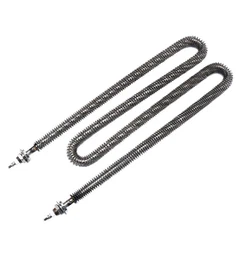
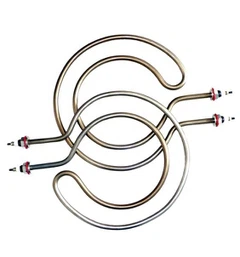
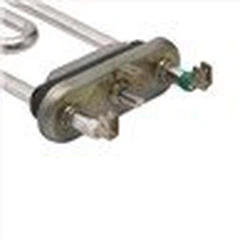
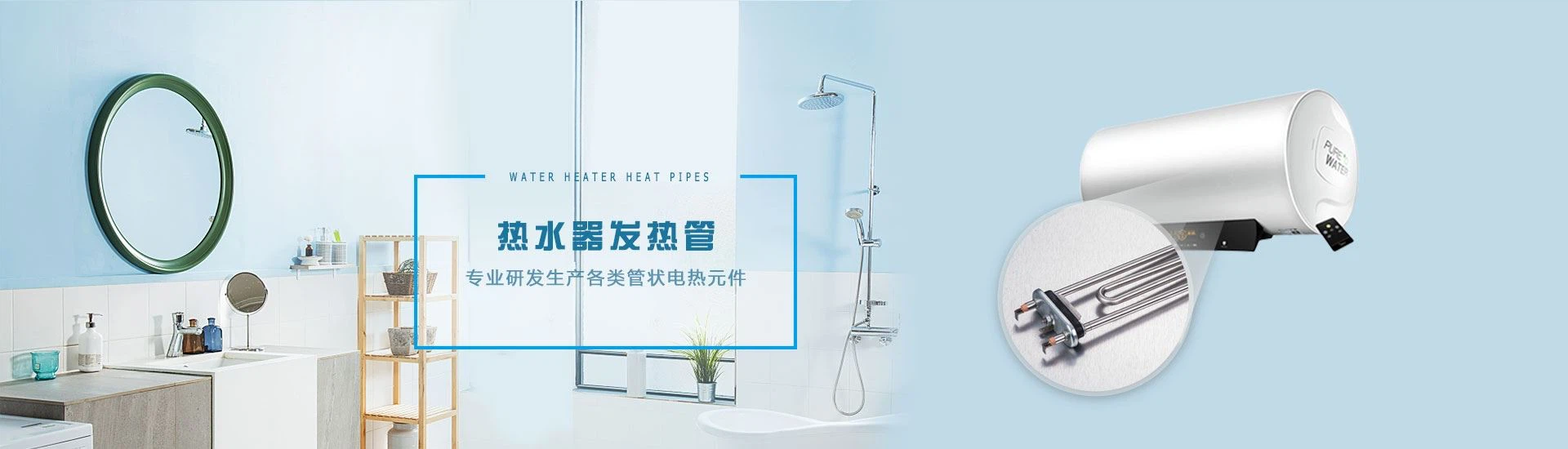
For applications like space heaters, ovens, and water heaters, nickel-chromium (NiCr) and iron-chromium-aluminum (FeCrAl) alloys are the dominant choice.
High-Temperature Applications (~1200°C to 1700°C)
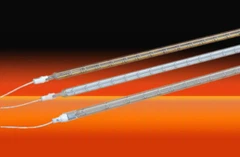
Industrial furnaces for processes like metal treatment require more strong materials.
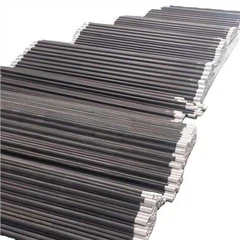
Silicon Carbide (SiC) is a common choice here. It is a rigid ceramic material often formed into rods or spirals, capable of operating at high temperatures in air.
Very High-Temperature Applications (Above 1700°C)
.
Molybdenum Disilicide (MoSi2) is an advanced material which can operate in air at temperatures up to 1800°C. It is modern solution for high-performance muffle furnaces.
Refractory metals like Tungsten (W) and Tantalum (Ta) have exceptionally high melting points and are used for the most demanding high-temperature vacuum applications. Platinum is also used for its high-temperature stability and resistance to oxidation.