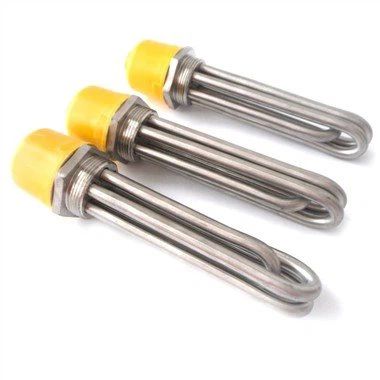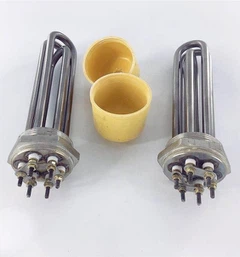
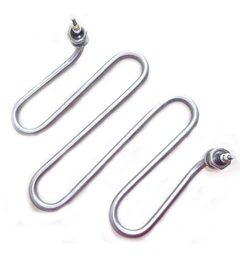
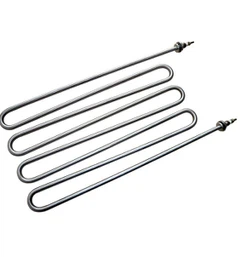


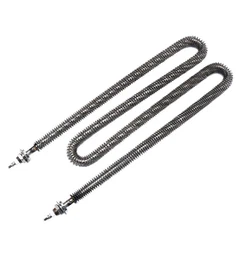
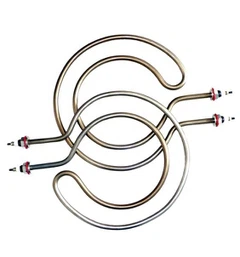


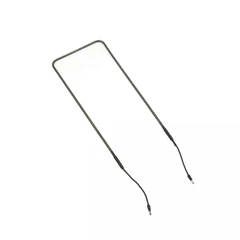

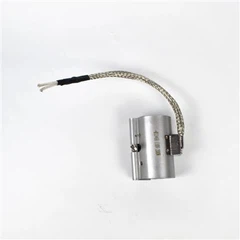

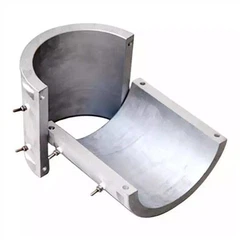





The mold heater element is one of the core components in the modern industrial and mold temperature control system. Its basic function is to provide continuous and stable thermal energy output to the mold through electric heating. With the development of industrial technology, more and more mold processing, injection molding, die-casting and other processes have put forward higher requirements for temperature control. Especially in some high-temperature application scenarios, whether the mold heating element can perform the job is becoming a core concern for many users. Then, is the mold heating element suitable for high-temperature environments?
According to the structural materials, the temperature tolerance of different components is the key to determine whether the entire heating element can be used in high-temperature environments:
Resistance heating wire (NiCr) : The maximum temperature it can withstand is approximately 1100℃.
Magnesium oxide insulation layer: The stable working temperature is usually 600 to 800℃, and the limit can reach 1000℃.
Stainless steel casing (such as 304/316) : The standard operating temperature is between 450 and 650℃.
High-temperature alloy (such as Incoloy 800/840) shell: The high temperature resistance can reach 870 ~ 1000℃ or more.
Therefore, theoretically speaking, mold heating element can be applied in high-temperature environments, provided that appropriate materials and structural designs are selected.
Although the mold heater has a certain degree of high-temperature adaptability, the following aspects still need to be noted in practical applications to ensure its safe and stable operation at high temperatures:
1.Match the power density reasonably
In high-temperature environments, the power density should not be increased to prevent local overheating and avoid tube burning. When designing, it is necessary to ensure uniform heat distribution and avoid the formation of "hot spot" areas.
2.Strengthen temperature control and protection
The temperature control system must be sensitive in response at high temperatures. Thermocouples, PID temperature controllers, over-temperature alarms and other devices should be configured to ensure real-time feedback of temperature data and prevent overheating and burnout.
3.Maintain good heat dissipation and heat conduction interfaces
Heating element at high temperatures need to maintain good heat-conducting contact with the mold surface even more. When installing, it is necessary to ensure there are no air gaps or impurities. An appropriate amount of thermal paste can be applied to enhance the heat transfer efficiency.
4.Select high-temperature resistant leads and connectors
The lead wire part should be made of silicone wire, Teflon wire or braided wire with a temperature resistance of 200 to 300℃ or above. The joints should be kept away from high-temperature areas to prevent aging or fire.
5.Regularly inspect the insulation and surface conditions