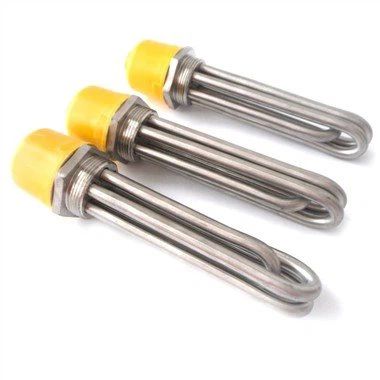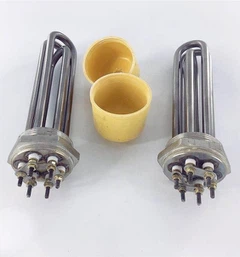
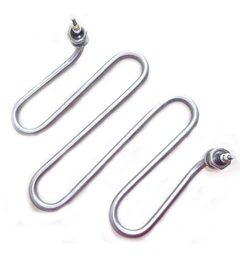
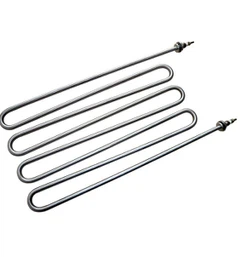


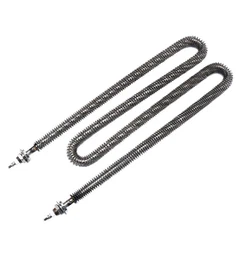
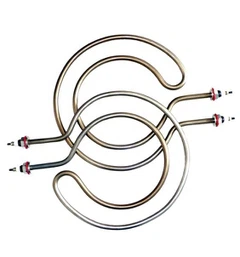



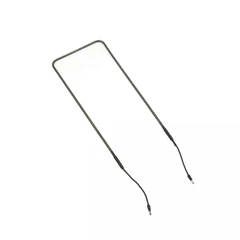

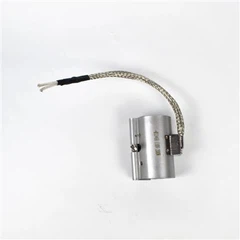

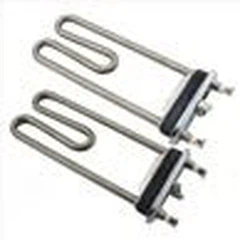
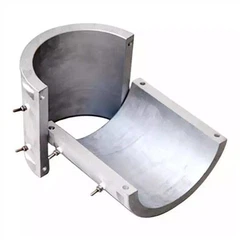





The thermostat converts the electrical signal fed back by the temperature probe or thermocouple into a temperature value, and then controls the on/off of the heater according to the set temperature value to achieve the controlled temperature range:
1.When the temperature probe or thermocouple is subjected to temperature changes, a weak current will be generated.
2. When the thermostat receives an electrical signal from the temperature probe or thermocouple, it will convert the current signal into a temperature value according to the magnitude of the current.
3. To control the temperature range, people will set a temperature range on the thermostat. The thermostat will convert the electrical signal sent by the temperature probe into a temperature that reaches the upper limit set by the thermostat or the thermocouple. When the limit value is set, the thermostat cut off the power supply of the control circuit that controls the heater, causing the heater to stop heating. When the temperature value drops to the lower limit set by the thermostat, the thermostat will turn on the power of the control circuit for the heater, and the heater will work to heat up. As long as the thermostat remains powered on, this process will be repeated over and over again.