

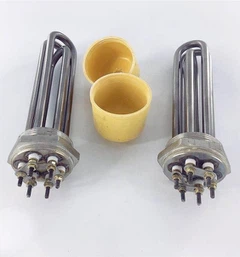
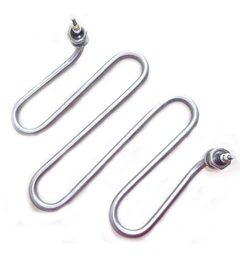
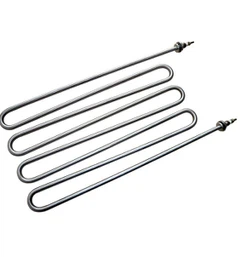


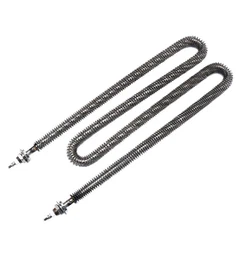
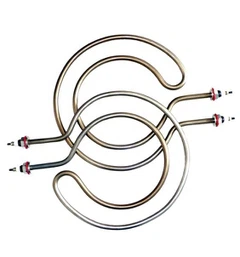





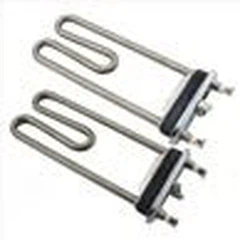
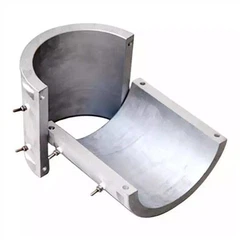


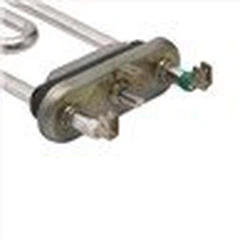

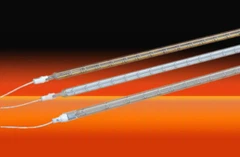


As a supplier of cartridge heating elements, I've seen firsthand the importance of getting the design right. Cartridge heating elements are used in a wide range of applications, from industrial manufacturing to consumer appliances. The design of these elements can significantly impact their performance, efficiency, and lifespan. In this blog, I'll share some key design factors that you should consider when choosing or designing a cartridge heating element.
1. Power and Watt Density
The power rating of a cartridge heating element is one of the most critical factors. It determines how much heat the element can produce. You need to calculate the power requirements based on the application. For example, if you're using the cartridge heater in a small laboratory device, you'll need a lower power element compared to an industrial heating process.
Watt density is another important consideration. It refers to the amount of power per unit surface area of the heating element. A high watt density can provide faster heating, but it also generates more heat stress on the element, which can reduce its lifespan. On the other hand, a low watt density may result in slower heating. You need to find the right balance based on your specific needs.
For instance, in applications where rapid heating is required, like in a Fast heat cartridge heater, a higher watt density might be suitable. However, for applications where the element needs to last a long time, a lower watt density is a better choice.
2. Temperature Range
The operating temperature range of the cartridge heating element is crucial. Different applications require different temperature levels. You need to ensure that the element can operate safely and efficiently within the required temperature range.
Some applications may require high temperatures, such as in metal melting or glass processing. In these cases, you need a cartridge heating element that can withstand high temperatures without degrading. On the other hand, for applications like food processing or some consumer appliances, lower temperatures are sufficient.
It's also important to consider the temperature uniformity across the element. A well - designed cartridge heating element should provide consistent temperature distribution to ensure uniform heating in the application.
3. Material Selection
The materials used in the construction of the cartridge heating element play a vital role in its performance. The sheath material, for example, needs to be able to withstand the operating temperature and any corrosive or abrasive substances in the environment.
Common sheath materials include stainless steel, Incoloy, and ceramic. Stainless steel is a popular choice due to its corrosion resistance and relatively low cost. Incoloy is often used in high - temperature applications as it has better heat resistance. Ceramic sheaths are used in applications where electrical insulation is critical.
The heating coil material is also important. Nickel - chromium alloys are commonly used because they have good electrical resistance and can withstand high temperatures.
4. Size and Shape
The size and shape of the cartridge heating element should be tailored to the application. The length and diameter of the element need to fit into the available space in the device. For example, in a small - scale medical device, a compact cartridge heater might be required.
The shape can also vary. Some applications may require a straight cartridge heater, while others may need a bent or U - shaped element. The shape can affect the heat transfer and the installation process.
5. Electrical Connection
The electrical connection of the cartridge heating element is an important design factor. You need to choose the right type of connection based on the application and the power requirements.
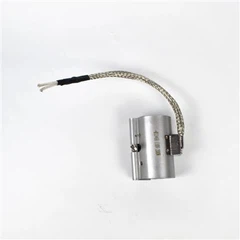
There are different types of electrical connections, such as screw terminals, quick - connect terminals, and external connection lead wires. External Connection Lead Wire Cartridge Heater is a popular option as it provides flexibility in installation and can be easily connected to the power source.


6. Safety Features
Safety is always a top priority when designing or using cartridge heating elements. Some safety features to consider include over - temperature protection, short - circuit protection, and grounding.
Over - temperature protection can prevent the element from overheating and causing damage to the device or even a fire hazard. Short - circuit protection ensures that the element is safe in case of an electrical fault. Grounding helps to protect users from electrical shock.
7. Compatibility with the Application
The cartridge heating element needs to be compatible with the rest of the system. This includes factors such as the type of fluid or material being heated, the pressure in the system, and the control system.
For example, if you're heating a liquid, you need to ensure that the cartridge heater is compatible with the chemical properties of the liquid. In some industrial processes, high - pressure environments may require a cartridge heater that can withstand the pressure.
8. Cost - effectiveness
While performance is important, cost - effectiveness is also a significant factor. You need to balance the performance requirements with the cost of the cartridge heating element.
Sometimes, a more expensive element may offer better performance and a longer lifespan, which can save money in the long run. However, in some cases, a more budget - friendly option may be sufficient for the application.
Conclusion
Designing or choosing a cartridge heating element involves considering multiple factors. From power and watt density to material selection, size, and safety features, each aspect plays a crucial role in the performance and efficiency of the element.
If you're in the market for a cartridge heating element, whether it's a Fast heat cartridge heater, a Pellet Stove Cartridge Igniter, or an External Connection Lead Wire Cartridge Heater, we're here to help. We can provide you with high - quality cartridge heating elements that are designed to meet your specific needs. Contact us to discuss your requirements and start a procurement conversation.
References
- "Handbook of Industrial Heating"
- "Thermal Engineering Principles and Applications"


