












When it comes to the question of whether an immersion heating element can be used in saltwater, it's a topic that requires a detailed exploration. As a supplier of immersion heating elements, I've encountered numerous inquiries regarding the compatibility of our products with saltwater environments. In this blog, I'll delve into the technical aspects, potential challenges, and the viability of using immersion heating elements in saltwater.
The Science Behind Saltwater and Immersion Heating Elements
Saltwater is a conductive solution due to the presence of dissolved salts, primarily sodium chloride. When an immersion heating element is placed in saltwater, the electrical current passing through the element generates heat. However, the conductivity of saltwater can have both positive and negative effects on the performance and longevity of the heating element.
On one hand, the high conductivity of saltwater can enhance the heat transfer process. The ions in the saltwater facilitate the movement of electrons, allowing for more efficient heat dissipation from the heating element to the surrounding water. This can result in faster heating times and better overall performance.
On the other hand, saltwater is highly corrosive. The chloride ions in the saltwater can react with the metal components of the immersion heating element, leading to corrosion. Corrosion can cause the heating element to deteriorate over time, reducing its efficiency and potentially leading to failure. Additionally, the formation of corrosion products can also affect the water quality and may require additional maintenance.
Types of Immersion Heating Elements Suitable for Saltwater
Not all immersion heating elements are created equal when it comes to saltwater applications. Some materials are more resistant to corrosion than others. Here are a few types of immersion heating elements that are commonly used in saltwater environments:
- Stainless Steel Heating Elements: Stainless steel is a popular choice for saltwater applications due to its corrosion resistance. It contains chromium, which forms a protective oxide layer on the surface of the metal, preventing further corrosion. However, not all stainless steels are created equal. For saltwater use, it's recommended to use a high-quality stainless steel, such as 316 or 316L, which have a higher resistance to chloride corrosion.
- Titanium Heating Elements: Titanium is another excellent material for saltwater applications. It has a very high resistance to corrosion, even in highly corrosive environments. Titanium heating elements are often used in marine applications, such as desalination plants and saltwater aquariums. However, titanium is more expensive than stainless steel, which may be a consideration for some applications.
- Coated Heating Elements: Some immersion heating elements are coated with a protective layer to enhance their corrosion resistance. These coatings can be made of materials such as PTFE (polytetrafluoroethylene) or ceramic. Coated heating elements can provide an additional layer of protection against corrosion, but they may also affect the heat transfer efficiency of the element.
Potential Challenges and Solutions
While immersion heating elements can be used in saltwater, there are several potential challenges that need to be addressed. Here are some of the common challenges and their solutions:
- Corrosion: As mentioned earlier, corrosion is the biggest challenge when using immersion heating elements in saltwater. To minimize corrosion, it's important to choose a heating element made of a corrosion-resistant material, such as stainless steel or titanium. Additionally, regular maintenance and cleaning of the heating element can help prevent the buildup of corrosion products.
- Scaling: Saltwater contains minerals that can precipitate out of solution and form scale on the surface of the heating element. Scale can reduce the heat transfer efficiency of the element and may also cause it to overheat. To prevent scaling, it's recommended to use a water softener or a descaling agent to remove the minerals from the water.
- Electrical Safety: Saltwater is a conductive solution, which means that there is a risk of electrical shock if the heating element is not properly installed or maintained. To ensure electrical safety, it's important to follow the manufacturer's instructions and use a ground fault circuit interrupter (GFCI) to protect against electrical shock.
Applications of Immersion Heating Elements in Saltwater
Despite the challenges, immersion heating elements are widely used in saltwater applications. Here are some of the common applications:
- Desalination Plants: Immersion heating elements are used in desalination plants to heat the saltwater and evaporate the water, leaving behind the salt. This process is known as distillation and is an effective way to produce fresh water from saltwater.
- Saltwater Aquariums: Immersion heating elements are used in saltwater aquariums to maintain the water temperature at a constant level. This is important for the health and well-being of the fish and other marine life in the aquarium.
- Marine Vessels: Immersion heating elements are used in marine vessels to heat the water for various purposes, such as showering, cooking, and washing. They are also used to prevent the water from freezing in cold weather.
Our Products for Saltwater Applications
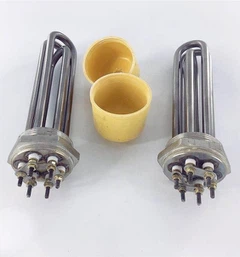
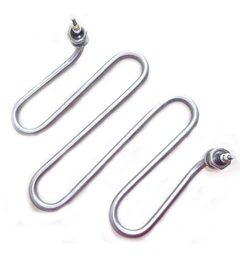
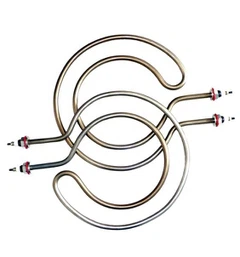
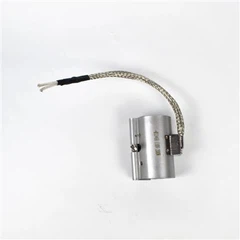
As a supplier of immersion heating elements, we offer a range of products that are suitable for saltwater applications. Our Heating Element For Steam Bolier is designed to provide efficient and reliable heating in steam boilers, even in saltwater environments. It is made of high-quality stainless steel and is resistant to corrosion.
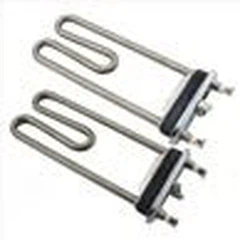
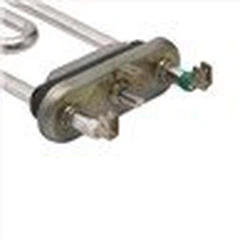
Our 1.5 Tri Clamp Fold Back Immersion Heater Element is another popular product for saltwater applications. It features a unique design that allows for easy installation and maintenance. It is also made of corrosion-resistant materials and is suitable for use in a variety of saltwater applications.
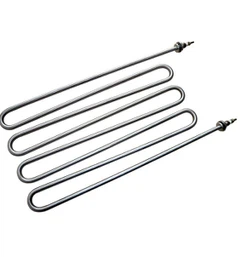
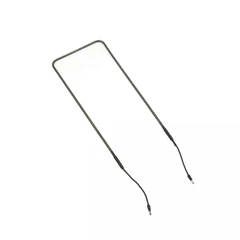
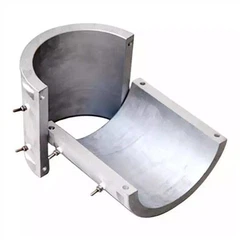
We also offer Customized water tank heating element that can be tailored to meet the specific needs of our customers. Whether you need a heating element for a small saltwater aquarium or a large desalination plant, we can provide a customized solution that meets your requirements.
Contact Us for More Information
If you're interested in using immersion heating elements in saltwater applications, we'd be happy to help. Our team of experts can provide you with more information about our products and help you choose the right heating element for your needs. Contact us today to start the conversation and explore how our immersion heating elements can benefit your saltwater application.


References
- "Corrosion of Metals in Saltwater Environments." Corrosion Science and Engineering.
- "Materials Selection for Saltwater Applications." Journal of Materials Science.
- "Immersion Heating Elements: Principles and Applications." Heating and Ventilation Engineering.


