












What is the current draw of a screw in heating element?
As a supplier of screw in heating elements, I often get asked about the current draw of these essential components. Understanding the current draw of a screw in heating element is crucial for various applications, from industrial processes to household appliances. In this blog post, I'll delve into the concept of current draw, how it's calculated, and its significance in the operation of screw in heating elements.
Understanding Current Draw
Current draw, also known as electrical current, is the flow of electric charge through a conductor. In the context of a screw in heating element, it refers to the amount of electrical current that the heating element consumes when it's in operation. This current is what powers the heating element and generates heat.
The current draw of a screw in heating element is influenced by several factors, including its power rating, voltage, and resistance. The power rating of a heating element is typically measured in watts (W) and indicates the amount of electrical energy it consumes per unit of time. The voltage is the electrical potential difference between two points in a circuit, and it's usually measured in volts (V). The resistance of the heating element is a measure of how much it opposes the flow of electrical current and is measured in ohms (Ω).
Calculating Current Draw
The current draw of a screw in heating element can be calculated using Ohm's Law, which states that the current (I) flowing through a conductor is equal to the voltage (V) applied across it divided by its resistance (R). Mathematically, this can be expressed as:
I = V / R
For example, if a screw in heating element has a power rating of 1500 watts and is designed to operate at a voltage of 240 volts, we can calculate its current draw as follows:
First, we need to find the resistance of the heating element using the power formula:
P = V² / R
Rearranging the formula to solve for R, we get:
R = V² / P
Substituting the given values, we have:
R = (240 V)² / 1500 W
R = 57600 V² / 1500 W
R = 38.4 Ω
Now that we know the resistance, we can calculate the current draw using Ohm's Law:
I = V / R
I = 240 V / 38.4 Ω
I = 6.25 A
So, the current draw of this screw in heating element is 6.25 amperes.
Significance of Current Draw
The current draw of a screw in heating element is an important consideration for several reasons. First, it determines the size of the electrical circuit and the wiring required to supply power to the heating element. A higher current draw requires larger gauge wiring to prevent overheating and electrical fires.
Second, the current draw affects the energy consumption and operating cost of the heating element. A heating element with a higher current draw will consume more electrical energy and cost more to operate. Therefore, it's important to choose a heating element with an appropriate power rating and current draw for your specific application to minimize energy consumption and operating costs.
Third, the current draw can impact the performance and lifespan of the heating element. If the current draw is too high, it can cause the heating element to overheat and fail prematurely. On the other hand, if the current draw is too low, the heating element may not generate enough heat to meet the requirements of the application.


Factors Affecting Current Draw
In addition to the power rating, voltage, and resistance, several other factors can affect the current draw of a screw in heating element. These include:
- Temperature: The resistance of a heating element increases with temperature. As the heating element heats up, its resistance increases, which in turn reduces the current draw. This is known as the positive temperature coefficient (PTC) effect.
- Ambient Conditions: The ambient temperature and humidity can also affect the current draw of a heating element. In a cold environment, the resistance of the heating element may be lower, resulting in a higher current draw. Conversely, in a hot and humid environment, the resistance may be higher, leading to a lower current draw.
- Duty Cycle: The duty cycle of a heating element refers to the percentage of time it's in operation. A heating element with a higher duty cycle will draw more current over a given period of time.
Applications of Screw In Heating Elements
Screw in heating elements are widely used in various applications, including:
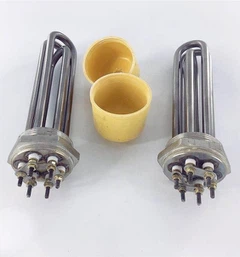
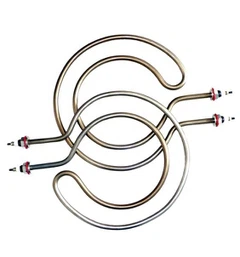
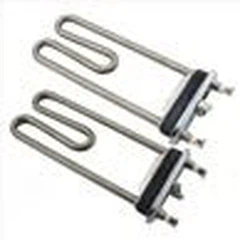
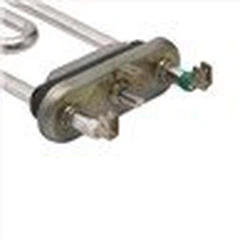
- Water Heating: Scew Plug Water Tank Heater Element are commonly used in water heaters to heat water for domestic and commercial use. They are available in different power ratings and sizes to meet the specific requirements of different water heating systems.
- Industrial Processes: Screw Immersion water heater are used in industrial processes such as oil heating, chemical processing, and food processing. They are designed to withstand high temperatures and harsh environments.
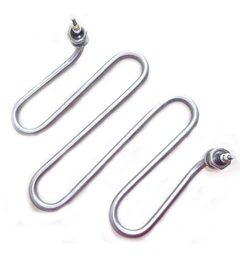
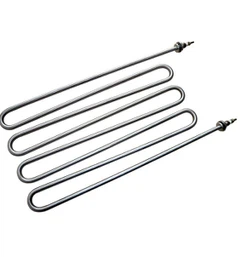
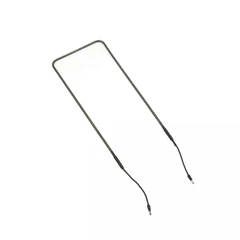
- Appliances: Screw in heating elements are also used in household appliances such as electric stoves, ovens, and dryers. They provide a reliable and efficient way to heat food, dry clothes, and cook meals.
Choosing the Right Screw In Heating Element
When choosing a screw in heating element, it's important to consider several factors, including:
- Power Rating: The power rating of the heating element should be selected based on the specific requirements of the application. A higher power rating will provide more heat, but it will also consume more energy.
- Voltage: The voltage of the heating element should match the voltage of the electrical supply. Using a heating element with the wrong voltage can result in damage to the heating element and the electrical system.
- Size and Shape: The size and shape of the heating element should be selected based on the available space and the requirements of the application. Screw in heating elements are available in different sizes and shapes to fit different applications.
- Material: The material of the heating element should be selected based on the specific requirements of the application. Common materials used for screw in heating elements include stainless steel, nickel-chromium alloy, and copper.
Contact Us for Your Screw In Heating Element Needs
If you're in the market for a high-quality screw in heating element, look no further. As a leading supplier of Screw Plug Immersion Heaters, we offer a wide range of products to meet your specific needs. Our heating elements are designed and manufactured to the highest standards of quality and reliability, ensuring optimal performance and long service life.
Whether you need a heating element for a water heater, an industrial process, or a household appliance, we have the expertise and experience to provide you with the right solution. Contact us today to discuss your requirements and let us help you find the perfect screw in heating element for your application.
References
- Ohm's Law: A fundamental law of electricity that describes the relationship between current, voltage, and resistance.
- Electrical Engineering Principles: A comprehensive guide to electrical engineering concepts and principles.
- Heating Element Manufacturer's Specifications: Information provided by the manufacturer of the heating element, including power rating, voltage, and resistance.


