













Can Flange Type Heating Element be used in cement manufacturing?
Hey there! I'm a supplier of flange type heating elements, and I often get asked if these nifty devices can be used in cement manufacturing. Well, let's dive right into it and see if they're a good fit for this industry.
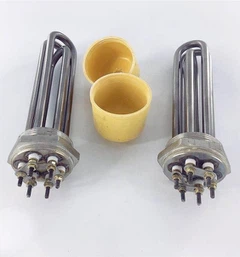
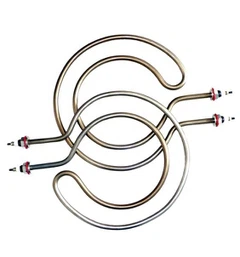
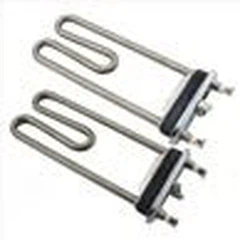
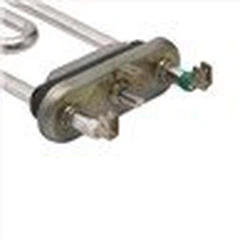
First off, let's talk a bit about what flange type heating elements are. They're basically heating elements that are attached to a flange, which makes them easy to install and remove from a container or a tank. They come in different materials like copper and brass, and you can check out our Copper flange heating element for more details.
Now, in cement manufacturing, temperature control is super important. Cement production involves a series of chemical reactions that are highly sensitive to temperature. For example, during the clinker formation process, the raw materials need to be heated to extremely high temperatures, usually around 1450°C. So, can flange type heating elements handle these high - temperature requirements?
The answer is yes, but with some considerations. Flange type heating elements can be used in certain parts of the cement manufacturing process. For instance, in pre - heating stages or in some storage tanks where the temperature requirements are not as extreme as in the clinker kiln.


In pre - heating, the raw materials are gradually heated up to prepare them for the main reaction. Flange type heating elements can be used in the pre - heating chambers to ensure a consistent and controlled increase in temperature. This helps in improving the efficiency of the overall process and reducing energy consumption.
Another area where flange type heating elements can be useful is in storage tanks. Cement and its raw materials are often stored in large tanks. These tanks need to be kept at a certain temperature to prevent the materials from solidifying or degrading. A Flange type immersion heater element can be installed in these tanks to maintain the desired temperature.
However, there are some challenges when using flange type heating elements in cement manufacturing. The high - temperature and high - dust environment in cement plants can be tough on the heating elements. The dust can accumulate on the surface of the heating elements, reducing their efficiency and potentially causing overheating. Also, the chemical composition of cement and its raw materials can be corrosive, which may damage the heating elements over time.
To overcome these challenges, we've developed heating elements with special coatings and materials that are more resistant to corrosion and dust. Our elements are designed to withstand the harsh conditions in cement plants, ensuring a long - lasting and reliable performance.
Let's also talk about the power requirements. Cement manufacturing is an energy - intensive process, and the heating elements need to be able to provide enough power to meet the temperature needs. We offer a range of flange type heating elements with different power ratings, so you can choose the one that suits your specific requirements. For example, if you need a heating element for a small pre - heating chamber, a lower - power element might be sufficient. But for larger tanks or more demanding applications, you'll need a higher - power element.
In addition to the technical aspects, cost is also an important factor. Our flange type heating elements are designed to be cost - effective. We understand that in the cement industry, every penny counts, and we strive to provide high - quality products at a reasonable price.
Now, let's consider the safety aspect. In any industrial process, safety is of utmost importance. Our flange type heating elements are equipped with safety features such as thermostats. A 250v Immersion Water Heater With Thermostat can help prevent overheating and ensure that the temperature stays within the safe range. This not only protects the heating element but also the entire manufacturing process.
So, to sum it up, flange type heating elements can definitely be used in cement manufacturing, especially in pre - heating and storage applications. They offer a convenient and efficient way to control temperature, but it's important to choose the right type of element and take into account the challenges of the cement plant environment.
If you're in the cement manufacturing business and are interested in using flange type heating elements, we'd love to have a chat with you. We can help you select the best heating element for your specific needs, provide technical support, and offer competitive pricing. Don't hesitate to reach out and start a conversation about your procurement requirements.
References
- "Industrial Heating Handbook" by various authors
- Technical reports on cement manufacturing processes from industry associations


