








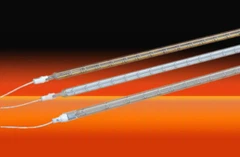


Hey there! As a supplier of mica heating elements, I often get asked about how to calculate the heat output of these nifty devices. It's a crucial aspect, especially if you're looking to use them in specific applications. So, let's dive right in and break down the process step by step.
Understanding the Basics
First off, we need to understand what a mica heating element is. Mica heating elements are widely used in various industries because they're efficient, reliable, and can reach high temperatures quickly. They're made up of a resistive wire embedded in mica insulation, which helps in transferring heat effectively.
Now, the heat output of a mica heating element is measured in watts. Watts are a unit of power, and in the context of heating elements, they tell us how much energy the element is converting into heat per second. The higher the wattage, the more heat the element will produce.
Factors Affecting Heat Output
There are several factors that can affect the heat output of a mica heating element. Let's take a look at some of the most important ones:
1. Voltage
The voltage applied to the heating element plays a significant role in determining its heat output. According to Ohm's Law (V = IR, where V is voltage, I is current, and R is resistance), the current flowing through the element is directly proportional to the voltage. And since power (P) is calculated as P = VI (where V is voltage and I is current), an increase in voltage will result in an increase in power and, consequently, heat output.
2. Resistance
The resistance of the heating element also affects its heat output. A higher resistance will result in less current flowing through the element, which means less power and less heat output. On the other hand, a lower resistance will allow more current to flow, resulting in higher power and heat output.
3. Surface Area
The surface area of the heating element is another important factor. A larger surface area allows for more heat to be transferred to the surrounding environment. This is because heat transfer occurs through conduction, convection, and radiation, and a larger surface area provides more opportunities for these processes to take place.
4. Ambient Temperature
The ambient temperature, or the temperature of the surrounding environment, can also affect the heat output of the heating element. If the ambient temperature is high, the element will have to work harder to maintain a certain temperature, which means it will consume more power and produce more heat.
Calculating the Heat Output
Now that we understand the factors that affect heat output, let's look at how we can calculate it. The most common formula for calculating the power (and thus the heat output) of a heating element is:
P = V² / R
Where:
- P is the power in watts
- V is the voltage in volts
- R is the resistance in ohms
Let's say we have a mica heating element with a resistance of 10 ohms and a voltage of 120 volts. We can calculate the power as follows:
P = (120)² / 10
P = 14400 / 10
P = 1440 watts
So, in this case, the heat output of the mica heating element is 1440 watts.
Practical Considerations
When calculating the heat output of a mica heating element, it's important to consider the specific application and requirements. For example, if you're using the element in a plastic injection molding process, you'll need to ensure that the heat output is sufficient to melt the plastic at the desired rate.
Here are some practical tips to keep in mind:
1. Choose the Right Wattage
Make sure to choose a mica heating element with the appropriate wattage for your application. If the wattage is too low, the element may not be able to reach the desired temperature, while if it's too high, it may overheat and cause damage.
2. Consider the Installation
The way the heating element is installed can also affect its heat output. Make sure to follow the manufacturer's instructions for installation to ensure optimal performance.
3. Monitor the Temperature
It's important to monitor the temperature of the heating element and the surrounding environment to ensure that the heat output is within the desired range. You can use a temperature sensor or a thermometer to do this.
Applications of Mica Heating Elements
Mica heating elements are used in a wide range of applications, including:
1. Plastic Injection Molding
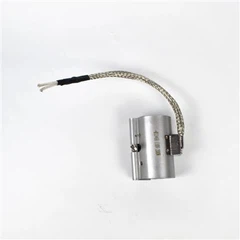
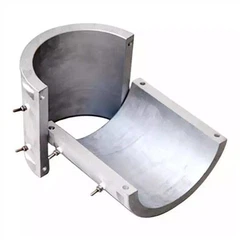
Mica band heaters are commonly used in plastic injection molding machines to heat the plastic to the desired temperature. Mica Band Heater For Plastic Injection is a great option for this application, as it provides efficient and reliable heating.


2. Food Processing
Mica heating elements are also used in food processing equipment, such as ovens and grills, to provide consistent and even heating.
3. Medical Equipment
In the medical field, mica heating elements are used in devices such as incubators and warming blankets to maintain a constant temperature.
4. Industrial Heating
Mica heating elements are widely used in industrial applications, such as heating tanks and pipes, to ensure that the materials are at the right temperature for processing.
High Watt Density Mica Band Heaters
If you're looking for a high-performance mica heating element, you might want to consider a High watt density mica band heater. These heaters are designed to provide a high amount of heat in a small space, making them ideal for applications where space is limited.
Brass Nozzle Band Heaters
Another option is the Brass nozzle band heater. These heaters are made of brass, which provides excellent heat transfer properties and is resistant to corrosion.
Conclusion
Calculating the heat output of a mica heating element is an important step in ensuring that it meets the requirements of your application. By understanding the factors that affect heat output and using the appropriate formula, you can choose the right heating element for your needs.
If you're interested in purchasing mica heating elements or have any questions about their heat output or applications, feel free to reach out to us. We're here to help you find the best solution for your specific requirements.
References
- Ohm's Law: A fundamental law in electrical engineering that describes the relationship between voltage, current, and resistance.
- Heat Transfer Principles: The principles of conduction, convection, and radiation play a crucial role in determining the heat output of a heating element.