














Can band heating elements be used in a chemical processing plant? This is a question that often arises among professionals in the chemical industry. As a supplier of band heating elements, I am well - versed in the capabilities and limitations of these products, and I'm here to provide you with a detailed analysis.
Understanding Band Heating Elements
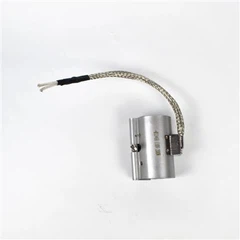
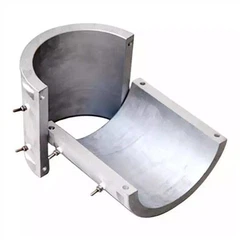
Band heating elements are a type of electric heater designed to wrap around cylindrical objects, such as pipes, barrels, or nozzles. They are available in various materials, including mica, ceramic, and stainless steel, each with its own set of advantages. For instance, mica band heaters are known for their excellent heat transfer properties and relatively low cost. You can find a high - quality Industrial Mica Band Heater with Plug on our website, which is suitable for a wide range of applications.
Advantages of Using Band Heating Elements in Chemical Processing Plants
Precise Temperature Control
In chemical processing, maintaining a precise temperature is crucial for the success of many reactions. Band heating elements can be equipped with thermostats and temperature controllers, allowing for accurate temperature regulation. This is essential for processes that are highly sensitive to temperature changes, such as the synthesis of certain polymers or the distillation of volatile chemicals.
Uniform Heating
Band heaters provide uniform heating around the circumference of the object they are wrapped around. This ensures that the chemical reaction occurs evenly throughout the vessel, preventing hot spots that could lead to product degradation or safety hazards. For example, in a chemical reactor, uniform heating helps to achieve consistent product quality and improves the efficiency of the reaction.
Easy Installation and Maintenance
Band heating elements are relatively easy to install and remove, which is beneficial in a chemical processing plant where equipment may need to be cleaned, repaired, or replaced regularly. They can be easily wrapped around existing pipes or vessels without the need for major modifications to the equipment. Additionally, maintenance is straightforward, usually involving simple tasks such as checking the electrical connections and replacing worn - out heating elements.
Versatility
Band heating elements come in a variety of sizes and shapes, making them suitable for a wide range of applications in a chemical processing plant. Whether you need to heat a small brass nozzle or a large industrial pipe, there is a band heater that can meet your requirements. For example, our Brass Nozzle Band Heater is specifically designed for heating brass nozzles in injection molding and other chemical processing applications.
Considerations for Using Band Heating Elements in Chemical Processing Plants
Chemical Compatibility
One of the most important considerations when using band heating elements in a chemical processing plant is the chemical compatibility of the heater materials with the chemicals being processed. Some chemicals can be corrosive to certain metals or other materials, which could lead to the degradation of the heating element and potentially contaminate the chemical product. It is essential to choose a band heater with materials that are resistant to the specific chemicals in your process. For example, if you are working with highly corrosive acids, a stainless - steel or ceramic band heater may be a better choice than a mica - based heater.


Safety
Safety is always a top priority in a chemical processing plant. Band heating elements generate heat, which can pose a fire or explosion hazard if not properly managed. It is important to ensure that the band heaters are installed in accordance with all relevant safety standards and regulations. This includes proper grounding, the use of over - temperature protection devices, and the installation of the heaters in well - ventilated areas to prevent the accumulation of flammable vapors.
Electrical Requirements
Band heating elements require a reliable source of electrical power. In a chemical processing plant, it is important to ensure that the electrical system can handle the load requirements of the band heaters. This may involve consulting with an electrical engineer to determine the appropriate wiring, circuit breakers, and power supply for your specific application. Additionally, it is important to use electrical components that are rated for use in hazardous environments, if applicable.
Applications of Band Heating Elements in Chemical Processing Plants
Heating of Reactors
In chemical reactors, band heating elements are used to maintain the desired reaction temperature. They can be wrapped around the outside of the reactor vessel to provide uniform heating, which is essential for controlling the reaction rate and ensuring the quality of the final product. For example, in the production of pharmaceuticals, precise temperature control is critical for synthesizing the active ingredients with the correct chemical structure.
Heating of Pipelines
Band heating elements are also used to heat pipelines in chemical processing plants. This is important for maintaining the flow of viscous chemicals or preventing the solidification of chemicals at low temperatures. For instance, in the transportation of heavy oils or waxes, band heaters can be used to keep the pipelines warm and ensure smooth operation.
Heating of Nozzles
In injection molding and other processes that involve the dispensing of chemicals, band heating elements are used to heat the nozzles. This ensures that the chemicals are at the correct temperature and viscosity for proper dispensing. Our Nozzle Band Heater For Injection Machine is specifically designed for this purpose, providing reliable and efficient heating for injection molding nozzles.
Conclusion
In conclusion, band heating elements can be effectively used in a chemical processing plant, provided that the appropriate considerations are taken into account. Their advantages, such as precise temperature control, uniform heating, easy installation, and versatility, make them a valuable tool for many chemical processes. However, it is crucial to ensure chemical compatibility, safety, and proper electrical requirements are met.
If you are interested in learning more about our band heating elements or have specific requirements for your chemical processing plant, we encourage you to contact us for further discussion and potential procurement. Our team of experts is ready to assist you in finding the most suitable band heating solution for your needs.
References
- Perry, R. H., & Green, D. W. (Eds.). (2008). Perry's Chemical Engineers' Handbook. McGraw - Hill.
- Kern, D. Q. (1950). Process Heat Transfer. McGraw - Hill.


