










Can an oven heating element overheat? This is a question that often concerns both consumers and professionals in the kitchen appliance industry. As a leading supplier of oven heating elements, I've encountered numerous inquiries regarding the overheating potential of these crucial components. In this blog, I'll delve into the science behind oven heating elements, explore the factors that can lead to overheating, and discuss the implications of such an issue.
Understanding Oven Heating Elements
Oven heating elements are the heart of any oven, responsible for generating the heat required to cook, bake, or roast food. They work by converting electrical energy into heat through the principle of resistance. When an electric current passes through the element, the resistance of the material causes it to heat up. Different types of oven heating elements are designed to meet various cooking needs and oven configurations.
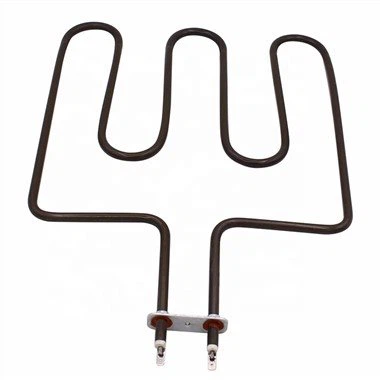
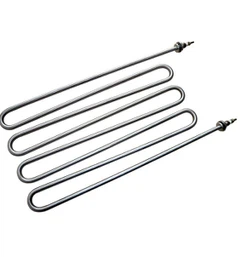
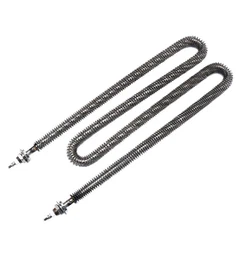
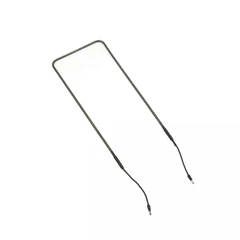
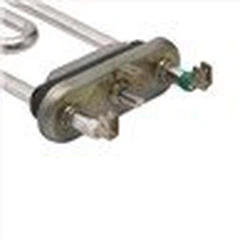
One of the most common types is the U Shaped Tubular Heating Element for Oven. These elements are typically made of a coiled wire encased in a metal tube filled with magnesium oxide powder. The U-shape design provides a large heating surface area, ensuring even heat distribution inside the oven.
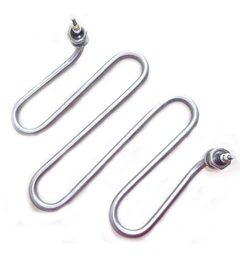
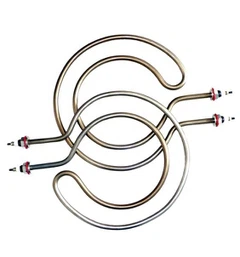
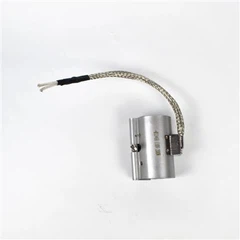
Another popular type is the Toaster Oven Heating Element. These elements are smaller and more compact, designed specifically for toaster ovens. They are often made of a high-resistance alloy wire that can reach high temperatures quickly, allowing for efficient toasting and baking.
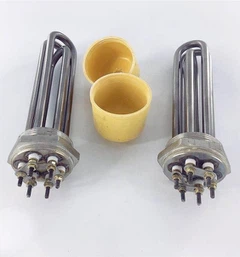
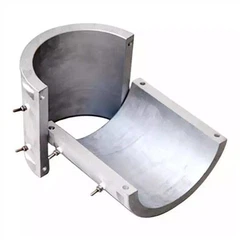
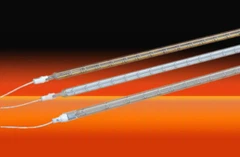
For industrial applications, Powder Coating Oven Heating Elements are used. These elements are designed to provide consistent and uniform heat over a large area, ensuring proper curing of powder coatings.
Factors That Can Cause Overheating
While oven heating elements are designed to operate within specific temperature ranges, several factors can cause them to overheat. Understanding these factors is crucial for preventing potential damage to the oven and ensuring safe operation.
1. Electrical Issues
One of the most common causes of overheating is an electrical problem. If the voltage supplied to the heating element is too high, it can cause the element to draw more current than it is designed for. This increased current flow generates more heat, leading to overheating. Electrical issues can also be caused by loose connections, damaged wiring, or faulty components in the oven's electrical system.
2. Blocked Airflow
Proper airflow is essential for maintaining the temperature of an oven heating element. If the air vents in the oven are blocked or restricted, the heat generated by the element cannot dissipate effectively. This can cause the element to overheat and potentially damage the oven. Blocked airflow can be caused by food debris, grease buildup, or improper installation of the oven.
3. Incorrect Element Selection
Using the wrong type or size of heating element for an oven can also lead to overheating. Each oven is designed to work with a specific type of heating element that has a certain wattage and resistance. If an element with a higher wattage than recommended is installed, it can generate more heat than the oven can handle, causing overheating.
4. Aging and Wear
Over time, oven heating elements can wear out due to normal use. The resistance of the element may change, causing it to draw more current and generate more heat. Additionally, the insulation around the element may degrade, increasing the risk of short circuits and overheating.


Implications of Overheating
Overheating of an oven heating element can have several serious implications.
1. Damage to the Oven
Excessive heat can damage the oven's internal components, including the heating element itself, the thermostat, and the wiring. This can lead to costly repairs or even the need to replace the entire oven.
2. Fire Hazard
An overheating heating element is a significant fire hazard. If the element reaches a high enough temperature, it can ignite nearby combustible materials, such as food debris, paper, or grease. This can quickly lead to a kitchen fire, posing a serious threat to the safety of the occupants.
3. Reduced Cooking Performance
When a heating element overheats, it may not be able to maintain a consistent temperature. This can result in uneven cooking, with some areas of the food being overcooked while others are undercooked.
Preventing Overheating
As a supplier of oven heating elements, I understand the importance of preventing overheating. Here are some tips to help you keep your oven heating element in good working condition:
1. Regular Maintenance
Regularly clean your oven to remove food debris and grease buildup. This will help ensure proper airflow and prevent blockages in the air vents. Inspect the heating element for any signs of damage or wear, such as cracks or discoloration. If you notice any issues, replace the element immediately.
2. Use the Right Element
Make sure you use the correct type and size of heating element for your oven. Refer to the oven's user manual or consult with a professional if you're unsure.
3. Check the Electrical System
Have a qualified electrician inspect the oven's electrical system periodically to ensure that the voltage is within the recommended range and that there are no loose connections or damaged wiring.
4. Monitor the Oven
Keep an eye on your oven while it's in use. If you notice any unusual smells, noises, or signs of overheating, such as smoke or a burning odor, turn off the oven immediately and unplug it.
Conclusion
In conclusion, an oven heating element can overheat, and it's important to understand the factors that can cause this issue and the implications of overheating. By following the preventive measures outlined above, you can help ensure the safe and efficient operation of your oven.
As a trusted supplier of high-quality oven heating elements, we are committed to providing our customers with the best products and support. Whether you need a U Shaped Tubular Heating Element for Oven, a Toaster Oven Heating Element, or Powder Coating Oven Heating Elements, we have the right solution for you.
If you're interested in purchasing oven heating elements or have any questions about our products, please feel free to contact us. We look forward to discussing your needs and helping you find the perfect heating elements for your ovens.
References
- "Oven Heating Element Basics." Appliance Repair School.
- "Preventing Overheating in Kitchen Appliances." National Fire Protection Association.
- "Understanding Electrical Resistance in Heating Elements." Electrical Engineering Journal.