



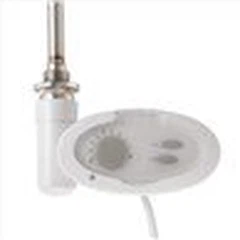


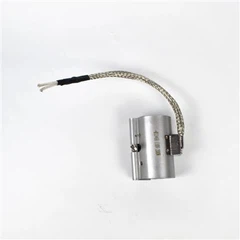

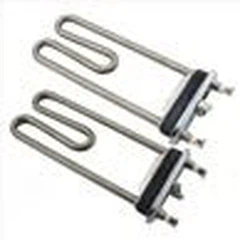
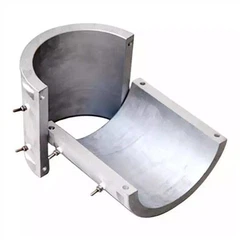





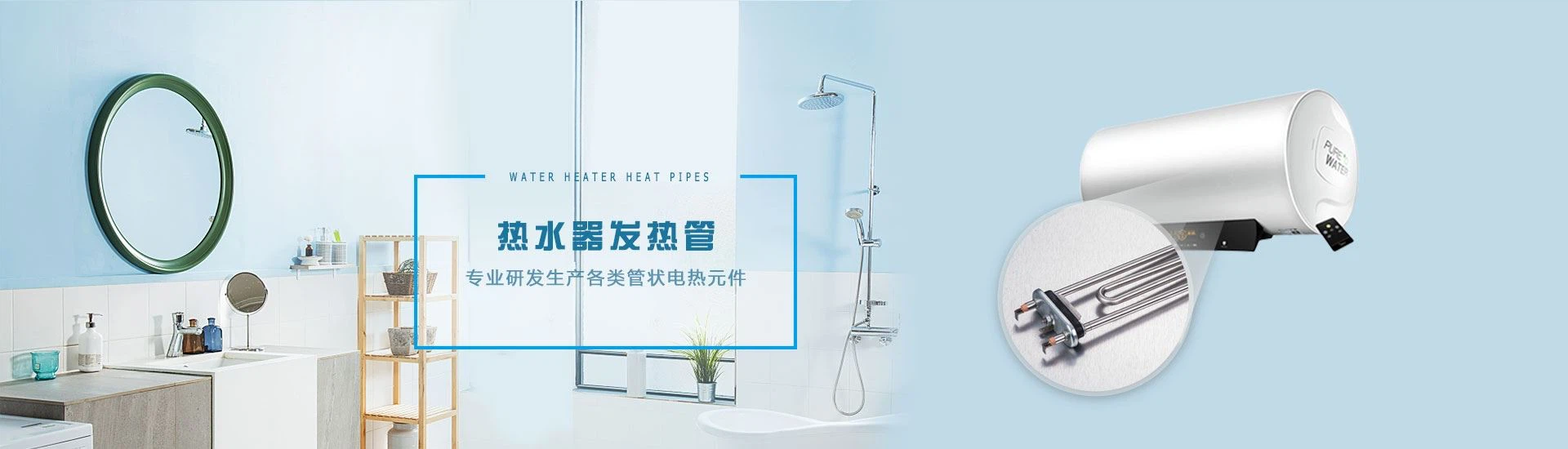
The design of heaters for beverage preparation equipment involves several steps to ensure that the heaters meet the required performance, safety and efficiency requirements. The following is a general guideline on how to design heaters for beverage preparation equipment:
1. Determine the requirements
Determine the type of beverage preparation equipment (such as coffee machines, kettles, water heaters) and the specific heating requirements of the equipment.
2. Calculate the heating demand
Calculate the amount of water or beverage that needs to be heated and the required temperature rise. This will help determine the required power and heating time.
3. Select the type of heater
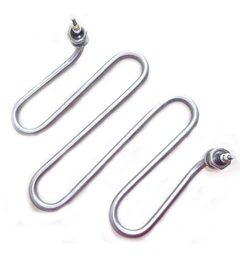
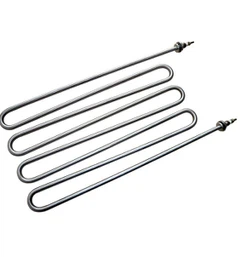
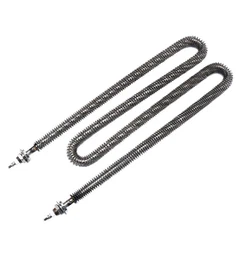
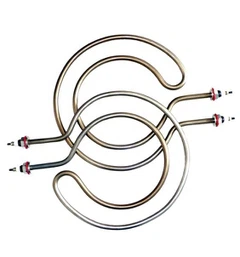
Coil heaters: They are used in many electrical appliances due to their simplicity and effectiveness.
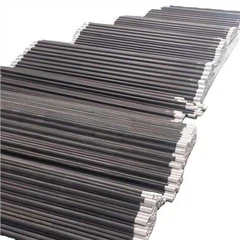
Ceramic heating elements: Provide uniform heat distribution and are suitable for certain beverage applications.
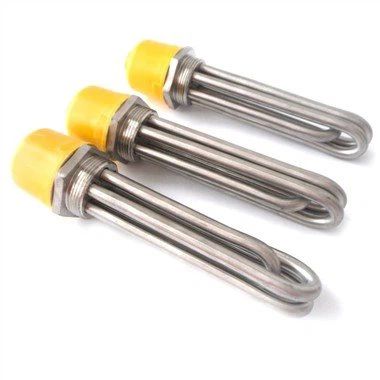
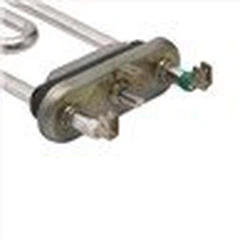
Immersion heater: An ideal choice for direct heating of liquids.
4. Material Selection:
Choose materials that are food-safe, corrosion-resistant and compatible with heated beverages. Stainless steel and food-grade plastic.
5. Calculation of watt density:
Calculate the watt density (the number of watts per unit area) based on the surface area of the heater and the required wattage. Avoid high power density that may cause overheating.
6. Temperature control
Determine the temperature control method. The options include thermostats, temperature sensors and digital controllers. This ensures that the beverage reaches and maintains the required temperature without overheating.
7. Heating element design:
Design the layout and configuration of the heating elements to ensure uniform heat distribution. Consider factors such as the arrangement and placement of coils.
8. Insulation
This includes appropriate insulation to minimize heat loss and enhance energy efficiency. Insulating materials should be safe for food applications.
9. Safety features:
Integrated safety features, such as an automatic shut-off mechanism to prevent overheating, dry-burning protection and temperature limits.
10. Power Supply
Determine the power supply requirements (voltage, current) and ensure that electrical components have the correct rated values.