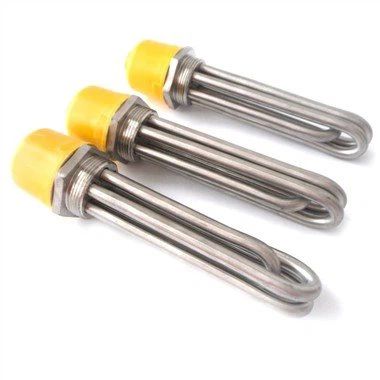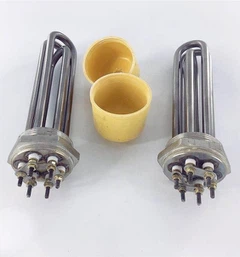
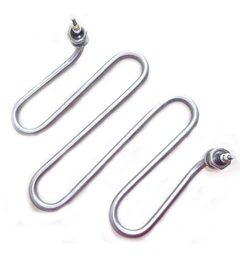
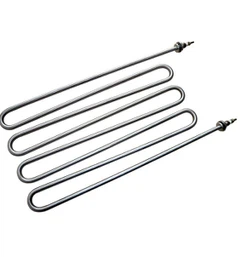


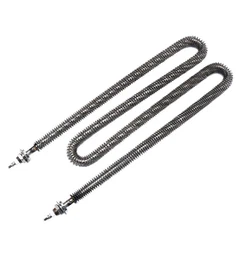
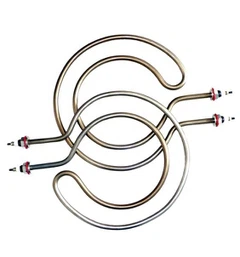


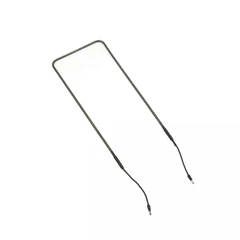

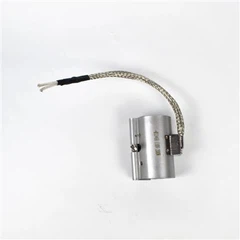

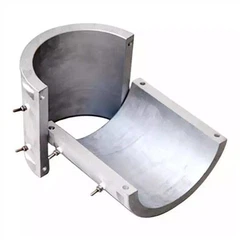


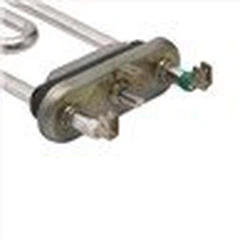

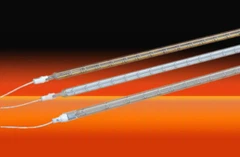


In industrial production, heating rod is one of the heating devices and widely used in various industries. The thermocouple is one of the key components in the electric heating rod and is mainly used for measuring temperature. There are two common types for thermocouples: J type and K type. So, what are the differences between these two types of thermocouples?
Type J thermocouples use iron-copper-nickel alloy as thermocouple material and are suitable for temperature measurement within the range of 0℃ to 750℃. This type of thermocouple has a relatively high output voltage and stable signal, so it is quite commonly used. J-type thermocouples are typically used for temperature measurement in furnaces and ovens, as well as in high-temperature industrial heat treatment processes.
Type K thermocouples use chromium-aluminum alloy as thermocouple material and are suitable for temperature measurement within the range of -200℃ to 1,250℃. This type of thermocouple features high precision and stability, and is highly resistant to high temperatures and oxidation. It is commonly used in high-temperature fields such as high-temperature heating furnaces, chemical reactors, and glass kilns.
When choosing a thermocouple, its applicable range and precision requirements need to be taken into consideration. If it is necessary to measure high-temperature environments, K-type thermocouples should be given priority. If it is necessary to measure low-temperature or medium-temperature environments, J-type thermocouples are a better choice. At the same time, it is also necessary to pay attention to the protective measures of the thermocouple, such as avoiding prolonged contact with water vapor and chemical corrosive substances.