











1. Select efficient heating elements:
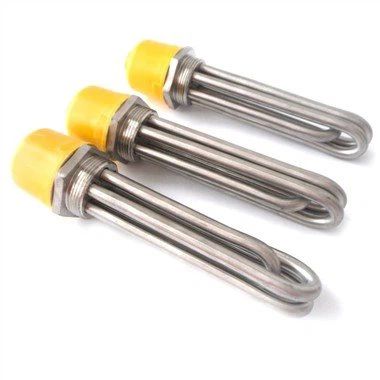
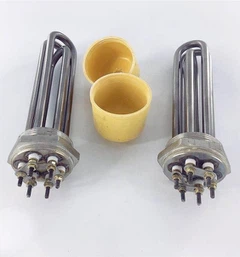
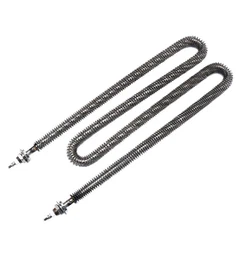
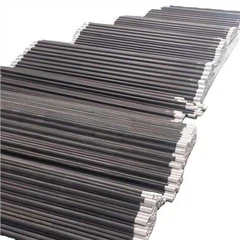
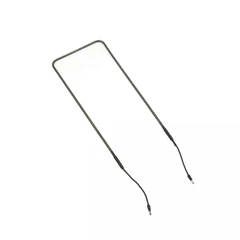
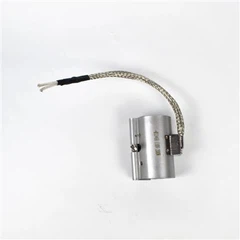
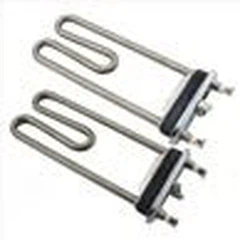
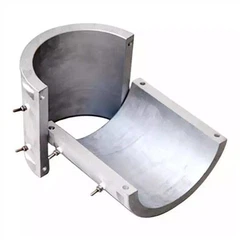
Select heating elements which is made of materials with high resistance and excellent heat conduction properties, such as advanced alloys like Kanthal or alternative materials with low resistivity.
2. Optimize component design:
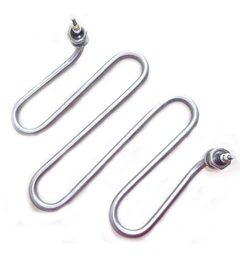
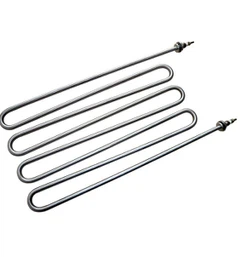
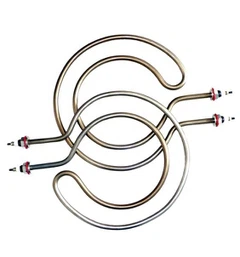
Design the heating elements to transfer the maximum amount of heat to the target area. Consider factors such as the shape, position and surface area of the elements.
3. Heat insulation and heat reflection:
Insulating materials are applied around the heating elements to prevent heat from escaping into the surrounding environment. Reflective surfaces can redirect the radiated heat back to the target area.
4. Control System:
Employ an accurate temperature control system (such as a PID controller) to maintain the required temperature with minimal fluctuations. This can prevent overheating and energy waste.
5. On-demand heating:
By using timers, sensors and programmable controllers to activate the heating elements only when necessary, unnecessary energy consumption can be avoided during idle periods.
6. Dual-zone or multi-zone heating:
Implement a heating system with multiple independently controllable zones. This enables you to heat specific areas without wasting energy in unused areas.
7. Load Matching:
Make sure that the capacity of the heating element meets the requirements of the load. Avoid using elements that are either too large or too small, as both scenarios will result in low efficiency.
8. Heat Recovery:
Consider capturing the waste heat generated by the heating elements and reusing it in other processes, thereby reducing the overall energy consumption.