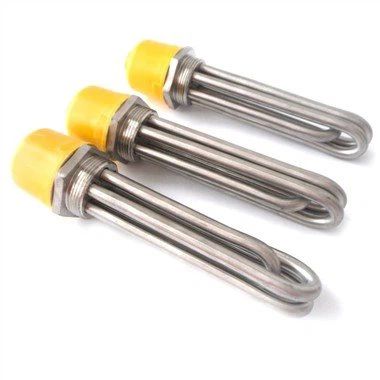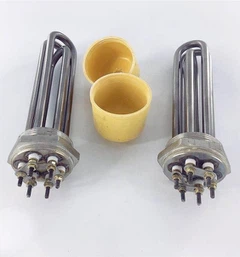
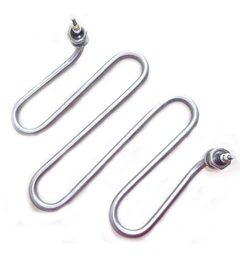
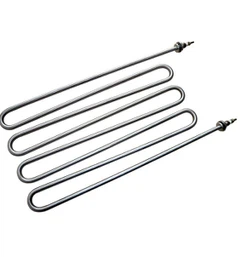











Electrical strength: The factors that affect the electrical strength of the heater elements include the thickness of the insulation layer, the quality of the raw material of the insulation layer, the length of the heating elemement, the bending radius and the number of bending. In the cold state voltage resistance of the electric heater, it can generally be 1500-2000V, 1 second, and the breakdown current is 0.5mA.
Power accuracy: mainly related to the quality of the resistance wire and the technical level of the manufacturer. Before mass production, it is necessary to do the temperature coefficient test to determine the qualified cold resistance of the power range.
In addition to the quality of the resistance wire, the life of the electric heater element is also related to the quality of magnesium oxide powder, the choice of the diameter of the resistance wire and other factors. For high temperature heating element, must pay attention to the power density setting. When choosing the diameter of the resistance wire, it is necessary to calculate the surface load of the resistance wire to meet the life requirements.
Corrosion resistance is often encountered in immersion heater element and barbecue element. In addition to the reasonable selection of materials, it is also related to the heat treatment and the surface state of the heating element.
Insulation: The main influence on the insulation is the sealing process . Usually it can do 200 megohm -500 megohm.
Leakage current: mainly related to the temperature of electric heater element when it is used, the voltage and the heating length .