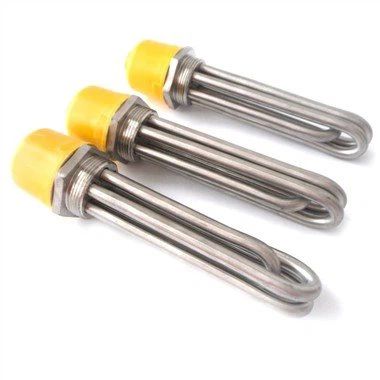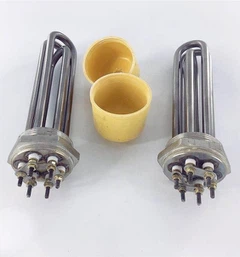
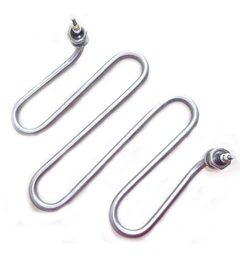
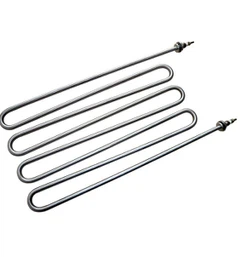


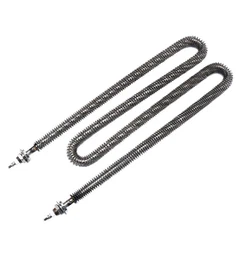
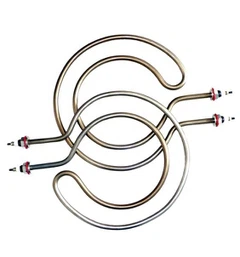


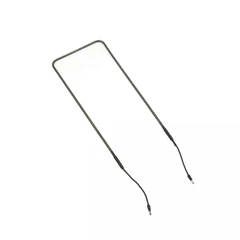

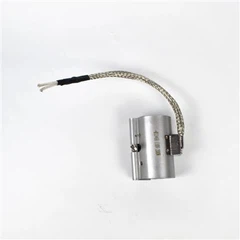

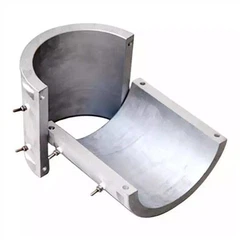





All this makes heating elements sound very simple and straightforward, but there are, in fact, many different factors that electrical engineers have to consider when they design them. In his excellent book on the subject (see references below), Thor Hegbom lists roughly 20–30 different factors that affect the performance of a typical heating element, including obvious things like the voltage and current, the length and diameter of the element, the type of material, and the operating temperature. There are also specific factors you need to consider for each different type of element. For example, with a coiled element made of round wire, the diameter of the wire and the form of the coils (diameter, length, pitch, stretch, and so on) are among the things that critically affect the performance. With a ribbon element, the ribbon thickness and width, surface area, and weight all have to be factored in.
And that's only part of the story, because a heating element doesn't work in isolation: you have to consider how it will fit into a bigger appliance and how it will behave during use (when it's used, or abused, in different ways). How, for example, will your element be supported inside its appliance by insulators? How big and thick will they need to be and will that affect the size of the appliance you're making? (For example, think about the different kinds of heating elements you'd need in a soldering iron, the size of a pen, and a large convector heater.) If you have an element "draped" between supporting insulators, what will happen to it as it gets hotter? Will it sag too much and will that cause problems? Do you need more insulators to stop that happening, or do you need to change the material or the element's dimensions? If you're designing something like an electric fire with multiple heating elements close together, what will happen when they're used individually and in combination? If you're designing a heating element that has air blown past it (in something like a convector heater or a hair dryer), can you generate enough airflow to stop the element overheating and dramatically shortening its life? All these factors have to be balanced against one another to make a product that's effective, economical, durable, and safe.