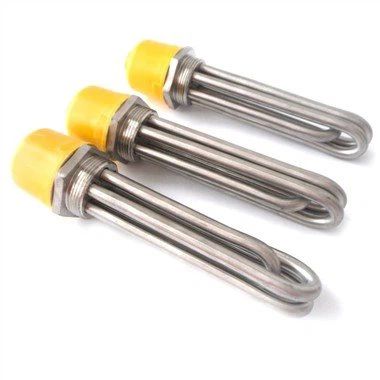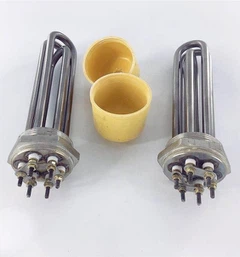
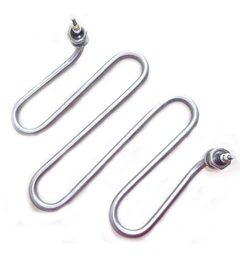
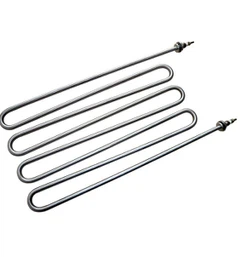




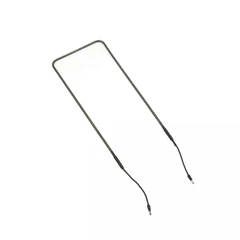

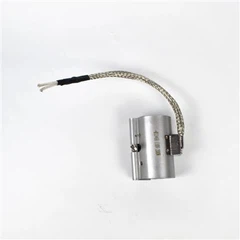

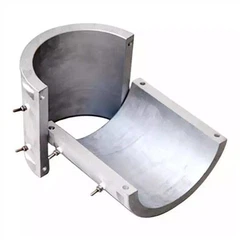





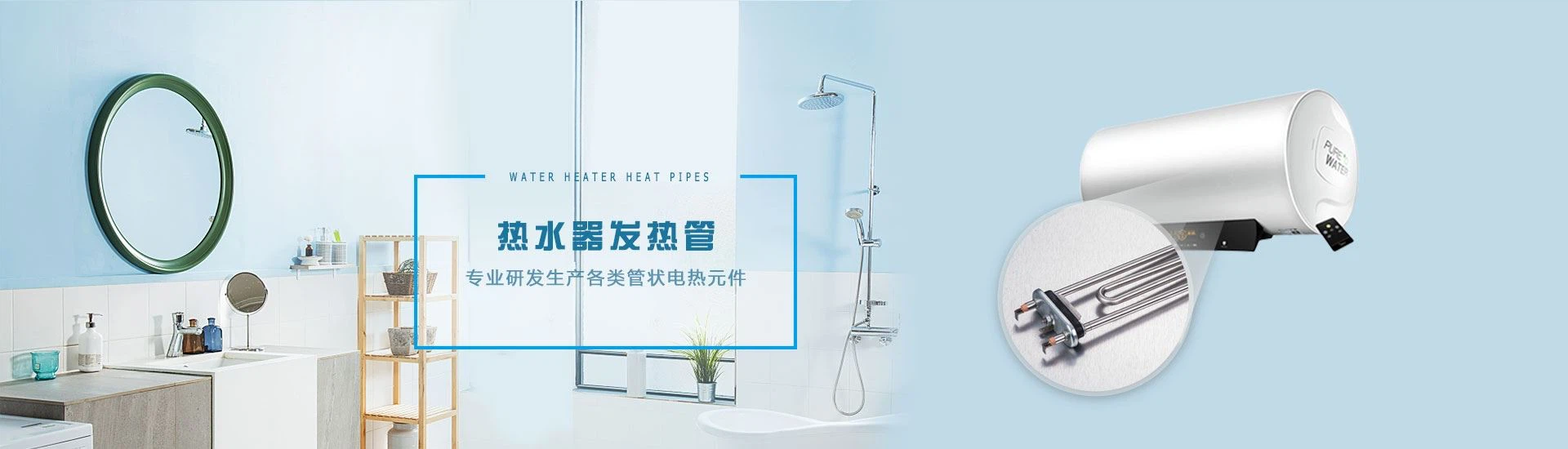
The heater is a kind of equipment that can generate or produce high temperature. Generally speaking, the highest temperature is about 70-300 ℃, which contains three parts: heat generation, heat dissipation and temperature control. A heater is an energy conversion device. The energy input to the heater is in the form of chemical energy, electrical energy, and thermal energy of high temperature flue gas. After the heater is converted, the thermal energy with a certain temperature is output to the outside. Air or other substances are heated to achieve the desired purpose. The high temperature generated by the heater can directly provide heat or heating for industrial production and public life. Large heaters are mainly used in industry, and small heaters are mainly used in life. Electric heaters are the most in our lives. Electric heaters refer to electrical appliances that use electric energy to achieve heating effects. They are divided into three types of heating methods:
1.Electromagnetic heating—Electromagnetic heating generates an alternating magnetic field through the components of an electronic circuit board. When an iron-containing container is placed on it, the surface of the container is cut by alternating magnetic lines of force and an alternating current is generated at the bottom metal part of the container ( (Eddy current), the vortex makes the iron atoms at the bottom of the container move at high speed and irregularly, and the atoms collide with each other and friction to generate thermal energy. This has the effect of heating the item. Because it is an iron container that generates heat by itself, all thermal conversion rates are particularly high, up to 95%. Induction cookers and induction cookers use electromagnetic heating technology.
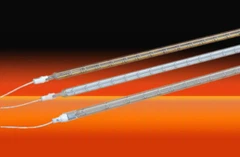
2. Infrared heating-the infrared heat transfer form is radiant heat transfer, which transmits energy by electromagnetic waves. When the far-infrared rays hit the heated object, part of the rays are reflected back and part of them are penetrated. When the emitted far-infrared wavelength is the same as the absorption wavelength of the heated object, the heated object absorbs the far-infrared. At this time, the molecules and atoms in the object “resonate” —strong vibration and rotation are generated. The temperature of the object rises to achieve the purpose of heating.
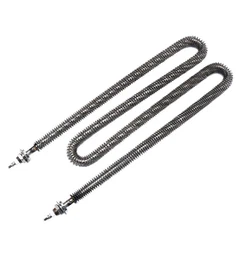
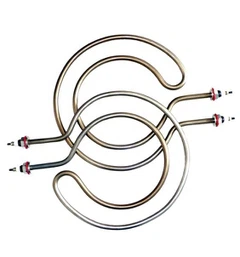
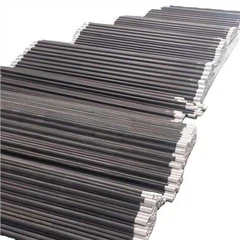
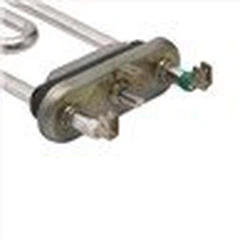
3. Resistive heating-a heating method that uses an electric current to release heat through an electric heating body to heat the billet. Common resistance wire heating, ceramic heaters, resistance coil heating, and quartz tube heating are in principle resistance heating.
Comparison of three heaters:
1. The heating of the resistance heater is the most primitive, so the thermal efficiency is also the worst. Generally, the thermal efficiency is only about 70%, and a large amount of thermal energy is emitted into the air.
2. The infrared heating method is better than the resistance, but still a large amount of heat is radiated into the air, but it is not the infrared itself that is radiated into the air, but the heated object radiates the heat into the air.
3. When Feiru electromagnetic heater works, it has a heat insulation layer to enclose the heated object, and then the magnetic field directly heats the object itself through the insulation layer, so the thermal efficiency is the highest, almost no heat energy is lost, and its thermal efficiency exceeds 95%. And because Feiru electromagnetic heater heats itself, there is no loss of heat transfer. The overall energy saving is about 30% -70% resistance heating under the same conditions. Infrared heaters cannot be compared with electromagnetic heating because of their heating characteristics. Calculated based on the emitted temperature, it should fly under the same conditions. Electromagnetic heating saves energy by more than 20% than infrared heating.