












As a supplier of ceramic coil heating elements, I often encounter inquiries about the compatibility of these elements with different heat - transfer media. This topic is crucial as it directly impacts the efficiency, performance, and lifespan of the heating system. In this blog, I will delve into the details of how ceramic coil heating elements interact with various heat - transfer media.


Understanding Ceramic Coil Heating Elements
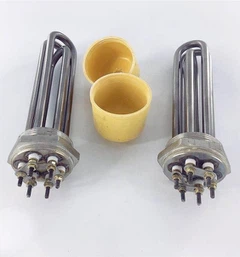
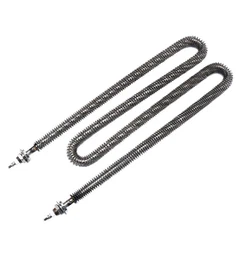
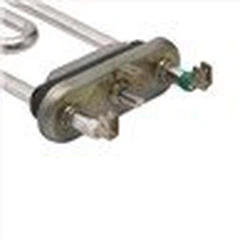
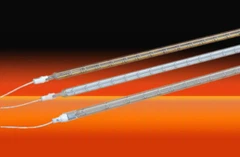
Ceramic coil heating elements are known for their excellent heat - generating capabilities. They are constructed with a coil of resistive wire encased in a ceramic material. The ceramic provides insulation and mechanical support, while the wire generates heat when an electric current passes through it. These elements are widely used in a variety of applications, from industrial heating processes to household appliances.
Compatibility with Air
Air is one of the most common heat - transfer media. Ceramic coil heating elements are well - suited for use with air as a heat - transfer medium. When the element heats up, it transfers heat to the surrounding air through convection. The high - temperature resistance of ceramic allows the element to operate at elevated temperatures, which is beneficial for applications such as air heaters and hair dryers.
The design of the ceramic coil also plays a role in its compatibility with air. A well - designed coil can maximize the surface area in contact with the air, enhancing the heat - transfer efficiency. For example, a coil with a larger diameter and more turns can provide more surface area for heat exchange.
Compatibility with Liquids
When it comes to using ceramic coil heating elements with liquids, several factors need to be considered. First, the type of liquid is crucial. Water is a common liquid used in heating applications, such as water heaters and coffee makers. Ceramic coil heating elements are generally compatible with water, as long as the water is clean and free from contaminants that could cause corrosion or scaling on the element.
However, for other liquids, such as oils or chemicals, compatibility becomes more complex. Some oils may have high viscosity, which can affect the heat - transfer rate. Additionally, certain chemicals may react with the ceramic or the resistive wire, leading to degradation of the element. In such cases, it is essential to select a ceramic coil heating element that is specifically designed for use with the particular liquid.
Compatibility with Gases
Gases, like air, can also be used as a heat - transfer medium. Ceramic coil heating elements can be used to heat gases in applications such as gas furnaces and industrial gas heaters. The high - temperature stability of ceramic makes it suitable for heating gases to high temperatures.
One important consideration when using ceramic coil heating elements with gases is the potential for oxidation. Some gases may contain oxygen, which can cause oxidation of the resistive wire over time. To mitigate this issue, special coatings or materials can be used on the element to prevent oxidation.
Impact of Heat - Transfer Media on Element Performance
The choice of heat - transfer medium can have a significant impact on the performance of the ceramic coil heating element. For example, if the heat - transfer medium has a low thermal conductivity, the element may need to operate at a higher temperature to achieve the desired heat output. This can lead to increased energy consumption and a shorter lifespan for the element.
On the other hand, a heat - transfer medium with high thermal conductivity can enhance the heat - transfer efficiency, allowing the element to operate at a lower temperature and reducing energy consumption. Therefore, it is important to select the appropriate heat - transfer medium based on the specific requirements of the application.
Applications and Their Heat - Transfer Media
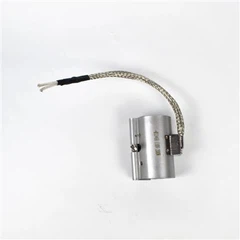
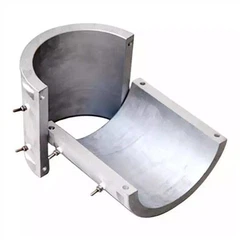
- Industrial Applications: In industrial settings, ceramic coil heating elements are used in a wide range of applications. For example, in Hot runner heater for injection molding, the heat - transfer medium is often a combination of air and molten plastic. The ceramic coil heating element needs to be able to withstand high temperatures and provide uniform heating to ensure the proper molding of the plastic.
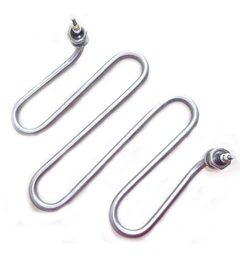
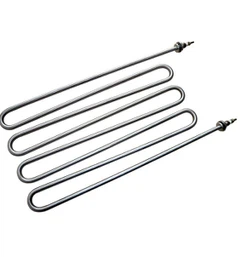
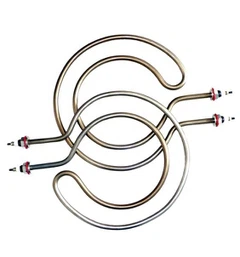
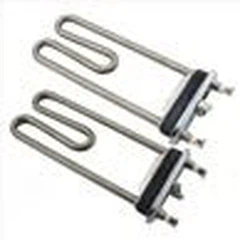
- Household Appliances: In household appliances such as electric stoves, the heat - transfer medium is typically air or a liquid (e.g., water in a kettle). Coil Heating Element for Electric Stove needs to be designed to provide efficient and safe heating. The ceramic coil heating elements used in these appliances are often designed to be compact and energy - efficient.
- Automotive Applications: In automotive applications, ceramic coil heating elements can be used for heating air in the cabin or for pre - heating engine components. The heat - transfer medium is usually air, and the element needs to be able to operate in a harsh environment with temperature variations and vibrations.
Selecting the Right Ceramic Coil Heating Element
When selecting a ceramic coil heating element for a specific application, it is important to consider the compatibility with the heat - transfer medium. Here are some key factors to consider:
- Temperature Range: The element should be able to operate within the temperature range required by the application. Different heat - transfer media may require different operating temperatures.
- Chemical Compatibility: As mentioned earlier, the element should be compatible with the chemical properties of the heat - transfer medium. This is especially important when using the element with liquids or gases that may be corrosive or reactive.
- Heat - Transfer Efficiency: The design of the element should be optimized for the specific heat - transfer medium to ensure maximum efficiency.
Conclusion
The compatibility of ceramic coil heating elements with different heat - transfer media is a complex but important topic. By understanding the interaction between the element and the heat - transfer medium, we can select the right element for the application, ensuring optimal performance, efficiency, and lifespan.
If you are in the market for high - quality ceramic coil heating elements, we are here to help. Our team of experts can assist you in selecting the most suitable element for your specific needs. Whether you need a Hot runner heater for injection molding, a Coil Spring hot runner heater, or a Coil Heating Element for Electric Stove, we have the expertise and products to meet your requirements. Contact us today to start a discussion about your heating needs.
References
- Smith, J. (2018). "Ceramic Heating Elements: Principles and Applications". Journal of Heating Technology.
- Johnson, A. (2019). "Heat - Transfer Mechanisms in Ceramic Coil Heating Systems". International Journal of Thermal Sciences.


