











As an electric heating element supplier, I've seen firsthand the widespread use of these devices in various industries. From household appliances to industrial machinery, electric heating elements play a crucial role in our daily lives. But have you ever stopped to think about the environmental impacts of using them? In this blog post, I'll break down the good, the bad, and the ugly of electric heating elements and how they affect our planet.
The Good: Energy Efficiency and Reduced Emissions
One of the biggest advantages of electric heating elements is their energy efficiency. Compared to traditional heating methods like gas or oil, electric heating elements convert a higher percentage of the energy they consume into heat. This means less energy is wasted, which is a win for both your wallet and the environment.
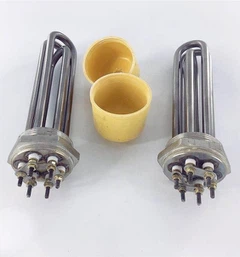
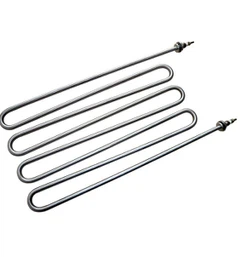
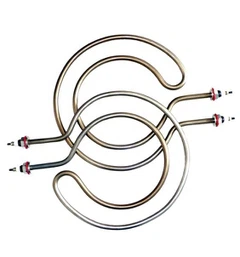
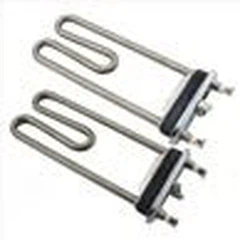
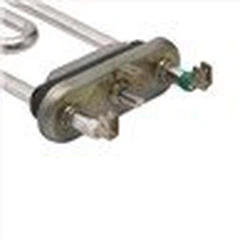
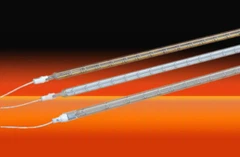
For example, modern electric heating elements used in Double U shape heater element for degumming machine are designed to heat up quickly and maintain a consistent temperature, reducing the overall energy consumption. Additionally, electric heating systems don't produce any direct emissions during operation, unlike fossil fuel-based heating systems that release harmful pollutants such as carbon monoxide, nitrogen oxides, and particulate matter into the atmosphere.
By using electric heating elements, we can significantly reduce our carbon footprint and contribute to a cleaner, healthier environment. This is especially important in the fight against climate change, as the burning of fossil fuels for heating is one of the major sources of greenhouse gas emissions.
The Bad: Electricity Generation and Energy Sources
While electric heating elements themselves are relatively clean, the electricity used to power them often comes from non-renewable sources. In many parts of the world, coal, natural gas, and nuclear power are still the primary sources of electricity generation. These energy sources have their own set of environmental problems, including air pollution, water pollution, and the generation of radioactive waste.
When you use an electric heating element, you're indirectly contributing to the environmental impacts associated with the electricity generation process. For instance, coal-fired power plants are the largest source of carbon dioxide emissions in the United States, and they also release large amounts of sulfur dioxide, mercury, and other toxic pollutants into the air.
To mitigate these impacts, it's important to consider the source of your electricity. If possible, opt for renewable energy sources such as solar, wind, or hydroelectric power. Many utility companies now offer green energy options, allowing you to choose to power your home or business with clean, renewable electricity. By using renewable energy to power your electric heating elements, you can further reduce your environmental impact and support the transition to a more sustainable energy future.
The Ugly: E-Waste and Disposal
Another environmental concern associated with electric heating elements is e-waste. Like all electronic devices, electric heating elements have a limited lifespan and will eventually need to be replaced. When these elements reach the end of their useful life, they often end up in landfills, where they can leach harmful chemicals and heavy metals into the soil and groundwater.


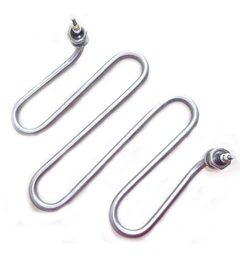
Some electric heating elements, such as Stainless steel water tank heating element, contain materials like stainless steel and copper, which can be recycled. However, many other types of heating elements, especially those with complex electronic components, are more difficult to recycle.
To reduce the amount of e-waste generated by electric heating elements, it's important to choose high-quality, durable products that are designed to last. Additionally, when it's time to replace your heating element, look for recycling programs or facilities that can properly dispose of the old element. Some manufacturers also offer take-back programs, where they will recycle or reuse the old heating elements.
The Future: Sustainable Solutions and Innovations
Despite the environmental challenges associated with electric heating elements, there are also many exciting developments in the field of sustainable heating technology. For example, researchers are working on developing more efficient electric heating elements that use less energy and produce fewer emissions.
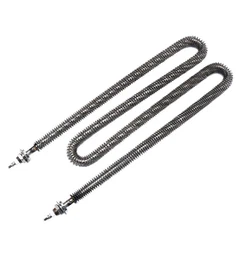
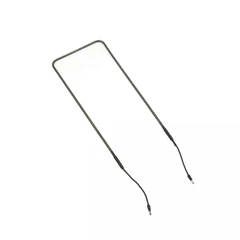
One promising innovation is the use of PTFE Coated Teflon Heating Element. These heating elements are coated with a special material that reduces friction and improves heat transfer, making them more energy-efficient. Additionally, PTFE is a non-toxic and environmentally friendly material, which means these heating elements have a lower environmental impact compared to traditional heating elements.
Another area of research is the integration of electric heating elements with renewable energy systems. For example, solar thermal systems can be used to preheat water or air, reducing the amount of electricity needed to power the heating element. This not only reduces energy consumption but also helps to make the most of renewable energy sources.
Conclusion: Making Informed Choices
As an electric heating element supplier, I'm committed to providing my customers with high-quality, energy-efficient products that have a minimal environmental impact. However, it's important to remember that the environmental impacts of using electric heating elements depend not only on the product itself but also on how it's used and the source of the electricity.
When choosing an electric heating element, look for products that are ENERGY STAR certified or have other energy-efficient features. Additionally, consider the source of your electricity and try to choose renewable energy options whenever possible. By making informed choices, we can all do our part to reduce our environmental impact and create a more sustainable future.
If you're in the market for electric heating elements, I'd love to help you find the right product for your needs. Whether you're looking for a Double U shape heater element for degumming machine, a Stainless steel water tank heating element, or a PTFE Coated Teflon Heating Element, I have a wide range of options to choose from. Contact me today to discuss your requirements and let's work together to find the best solution for your application.
References
- "Energy Efficiency of Electric Heating Systems." U.S. Department of Energy.
- "Environmental Impacts of Electricity Generation." Union of Concerned Scientists.
- "E-Waste Management: Challenges and Solutions." United Nations Environment Programme.