












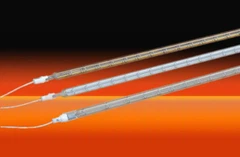


As a supplier of furnace heating elements, I've witnessed firsthand the evolving landscape of industrial heating solutions. Among the most common debates in the industry is the comparison between furnace heating elements and gas burners. In this blog, I'll delve into the key aspects of both technologies, highlighting their strengths, weaknesses, and applications.
Efficiency and Energy Consumption
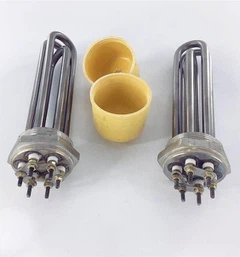
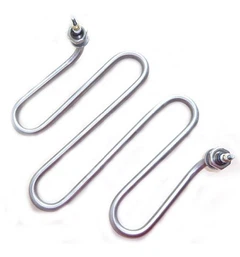
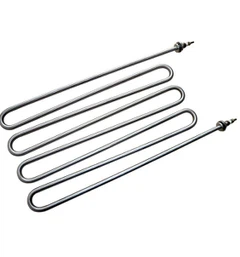
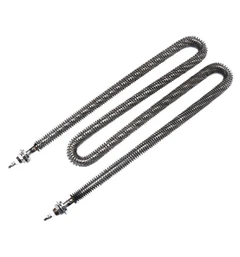
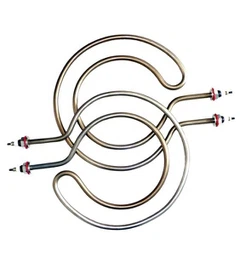
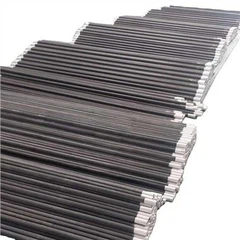
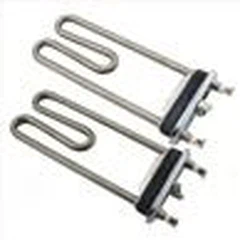
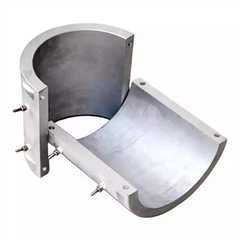
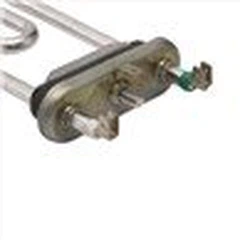
One of the primary considerations when choosing between a furnace heating element and a gas burner is efficiency. Electric heating elements, such as the Single silicon carbide heating element, convert almost all of the electrical energy into heat. This high conversion rate means that less energy is wasted, resulting in lower operating costs over time.
On the other hand, gas burners rely on the combustion of natural gas or propane to generate heat. While modern gas burners can be quite efficient, they still lose some energy through exhaust gases and incomplete combustion. Additionally, the efficiency of a gas burner can be affected by factors such as the quality of the gas supply and the burner's design.
In general, electric heating elements are more energy-efficient than gas burners, especially in applications where precise temperature control is required. However, the cost of electricity can vary significantly depending on the location and the time of day, so it's important to consider the overall cost of operation when making a decision.
Temperature Control
Another important factor to consider is temperature control. Electric heating elements offer precise temperature control, allowing for accurate and consistent heating. This is particularly important in applications where temperature-sensitive materials are being processed, such as in the semiconductor industry or in laboratory settings.
Gas burners, on the other hand, can be more difficult to control precisely. The combustion process can be affected by factors such as the air-to-fuel ratio, the burner's design, and the quality of the gas supply. As a result, it can be more challenging to maintain a consistent temperature with a gas burner.
If precise temperature control is a critical requirement, electric heating elements are generally the better choice. However, gas burners can still be a viable option in applications where a less precise temperature control is acceptable.
Safety
Safety is always a top priority when it comes to industrial heating solutions. Electric heating elements are generally considered to be safer than gas burners because they do not produce combustion byproducts such as carbon monoxide or nitrogen oxides. Additionally, electric heating elements do not require a fuel source, which eliminates the risk of gas leaks or explosions.
Gas burners, on the other hand, require a fuel source and produce combustion byproducts, which can be hazardous if not properly vented. Gas burners also require regular maintenance to ensure that they are operating safely.
In general, electric heating elements are a safer option than gas burners, especially in applications where safety is a critical concern. However, it's important to follow all safety guidelines and regulations when using either type of heating system.
Cost
The cost of a heating system is another important consideration. Electric heating elements are generally more expensive to purchase than gas burners, but they can be more cost-effective in the long run due to their higher efficiency and lower operating costs.
Gas burners, on the other hand, are generally less expensive to purchase, but they can be more expensive to operate due to the cost of the fuel. Additionally, gas burners require regular maintenance and may need to be replaced more frequently than electric heating elements.
When considering the cost of a heating system, it's important to take into account the initial purchase price, the operating costs, and the maintenance requirements. It's also important to consider the expected lifespan of the heating system and the potential cost savings over time.
Applications
The choice between a furnace heating element and a gas burner also depends on the specific application. Electric heating elements are commonly used in applications where precise temperature control is required, such as in laboratory furnaces, semiconductor manufacturing, and food processing. They are also well-suited for applications where a clean and efficient heat source is needed, such as in the pharmaceutical industry.
Gas burners, on the other hand, are commonly used in applications where a high heat output is required, such as in industrial furnaces, kilns, and boilers. They are also well-suited for applications where a large amount of heat is needed quickly, such as in the metalworking industry.
In general, electric heating elements are a better choice for applications where precise temperature control and a clean heat source are required, while gas burners are a better choice for applications where a high heat output and a quick heat-up time are needed.
Conclusion
In conclusion, the choice between a furnace heating element and a gas burner depends on a variety of factors, including efficiency, temperature control, safety, cost, and application. Electric heating elements offer precise temperature control, high efficiency, and a clean heat source, but they can be more expensive to purchase. Gas burners offer a high heat output and a quick heat-up time, but they can be more difficult to control precisely and require regular maintenance.
As a supplier of furnace heating elements, I can provide you with a wide range of options to meet your specific needs. Whether you're looking for a Single silicon carbide heating element, a Single Spiral Silicon Carbide SIC Heating Element, or a Sic Heating Element For Lab, I can help you find the right solution for your application.
If you're interested in learning more about our products or would like to discuss your specific requirements, please don't hesitate to contact us. We're here to help you make the right decision for your business.


References
- "Industrial Heating Equipment: A Guide to Selection and Application." American Society of Mechanical Engineers, 2018.
- "Electric Heating Systems: Principles and Applications." John Wiley & Sons, 2019.
- "Gas Burners: Design, Operation, and Maintenance." Industrial Press, 2020.


