

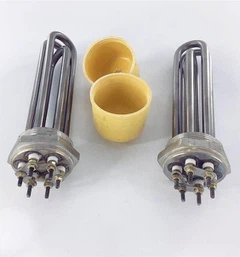
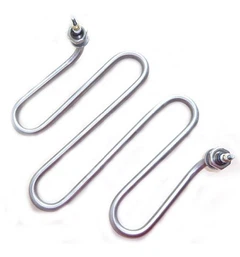
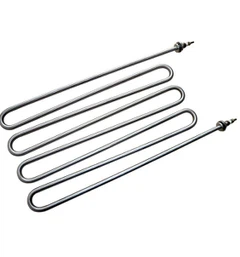


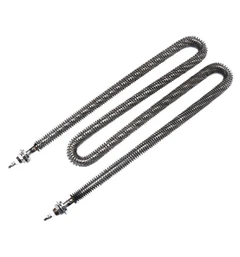
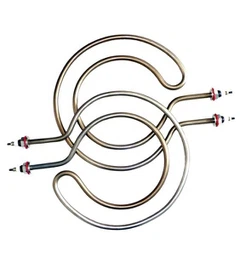






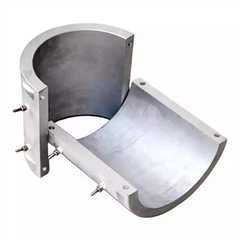


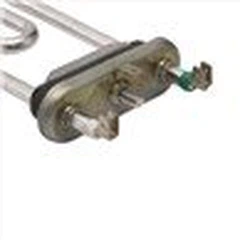

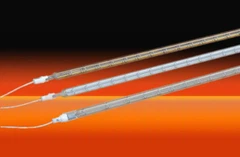


Flange type heating elements are widely recognized for their efficiency and versatility in various industrial applications. As a leading supplier of flange type heating elements, I am often asked whether these heating elements can be used in rubber manufacturing. In this blog post, I will explore the feasibility and benefits of using flange type heating elements in the rubber manufacturing process.


Understanding the Rubber Manufacturing Process
Before delving into the suitability of flange type heating elements, it is essential to understand the basic steps involved in rubber manufacturing. The process typically includes compounding, mixing, shaping, and vulcanization. Compounding involves combining raw rubber with various additives such as fillers, plasticizers, and accelerators to achieve the desired properties. Mixing ensures uniform distribution of these additives throughout the rubber compound. Shaping processes, such as extrusion or molding, are used to give the rubber its final form. Finally, vulcanization is a crucial step where the rubber is heated under controlled conditions to cross - link the polymer chains, enhancing its strength, elasticity, and durability.
Requirements for Heating in Rubber Manufacturing
Heating plays a vital role in each stage of rubber manufacturing. During compounding and mixing, heating helps to soften the rubber and improve the dispersion of additives. In the shaping process, maintaining the right temperature is necessary to ensure proper flow and formability of the rubber. Vulcanization, in particular, requires precise temperature control to achieve the optimal cross - linking of the rubber molecules.
The heating system used in rubber manufacturing must be able to provide consistent and accurate temperature control over a wide range of temperatures. It should also be able to withstand the harsh chemical environment often associated with rubber processing, including exposure to various chemicals and high - temperature steam.
Advantages of Flange Type Heating Elements in Rubber Manufacturing
- Efficient Heat Transfer
Flange type heating elements are designed to provide high - efficiency heat transfer. They are typically installed directly into the process fluid or the material to be heated, which allows for rapid and uniform heating. In rubber manufacturing, this means that the rubber compound can be heated quickly and evenly, reducing processing time and improving product quality. For example, during vulcanization, a flange type heating element can ensure that the entire rubber piece reaches the required temperature simultaneously, resulting in a more consistent cross - linking and better mechanical properties. - Customizability
As a supplier, I offer a wide range of flange type heating elements that can be customized to meet the specific requirements of rubber manufacturing. We can adjust the wattage, voltage, and dimensions of the heating elements according to the size and shape of the rubber processing equipment. This flexibility allows us to provide solutions for various rubber manufacturing applications, from small - scale batch production to large - scale continuous processes. - Durability and Resistance
Rubber manufacturing involves exposure to harsh chemicals and high temperatures. Flange type heating elements can be constructed from materials that are resistant to corrosion and high - temperature degradation. For instance, our Anticorrosive flange immersion heater is coated with a special anticorrosive material that protects the heating element from chemical attack, ensuring a long service life even in aggressive environments. - Easy Installation and Maintenance
Flange type heating elements are relatively easy to install and maintain. They are designed with a flange that can be easily mounted onto the equipment, and the heating elements can be replaced or repaired without significant downtime. This ease of installation and maintenance reduces the overall cost of operation in rubber manufacturing plants.
Applications of Flange Type Heating Elements in Rubber Manufacturing
- Vulcanization Tanks
In vulcanization, large tanks are used to heat the rubber products to the required temperature. Flange type heating elements can be installed directly into these tanks to provide efficient and uniform heating. Our Flange Type Oil Tank Heating Element is particularly suitable for this application as it can heat the oil medium in the tank, which in turn transfers heat to the rubber products. - Extrusion and Molding Machines
Extrusion and molding are common shaping processes in rubber manufacturing. Flange type heating elements can be integrated into these machines to maintain the proper temperature of the rubber during the shaping process. For example, a Copper flange heating element can be used to heat the extrusion die, ensuring smooth and consistent flow of the rubber compound.
Considerations for Using Flange Type Heating Elements in Rubber Manufacturing
While flange type heating elements offer many advantages in rubber manufacturing, there are some considerations to keep in mind.
- Temperature Control
Precise temperature control is crucial in rubber manufacturing. It is important to select a heating element with accurate temperature control capabilities. Some of our flange type heating elements are equipped with advanced temperature sensors and controllers to ensure that the temperature remains within the desired range. - Material Compatibility
The materials used in the heating element must be compatible with the rubber compound and the chemicals used in the manufacturing process. We can provide guidance on selecting the appropriate materials based on the specific requirements of your rubber manufacturing process. - Safety
Heating elements operate at high temperatures, and safety is of utmost importance. Our flange type heating elements are designed with safety features such as over - temperature protection and grounding to prevent accidents.
Conclusion
In conclusion, flange type heating elements can be effectively used in rubber manufacturing. Their high - efficiency heat transfer, customizability, durability, and ease of installation make them a suitable choice for various stages of the rubber manufacturing process. Whether it is for vulcanization, extrusion, or molding, flange type heating elements can help improve the quality and efficiency of rubber production.
If you are involved in rubber manufacturing and are looking for reliable heating solutions, I encourage you to contact us for a consultation. Our team of experts can provide you with detailed information on our flange type heating elements and help you select the best solution for your specific needs. We are committed to providing high - quality products and excellent customer service to support your rubber manufacturing operations.
References
- "Handbook of Rubber Technology" by Maurice Morton
- "Rubber Compounding: Principles, Materials, and Techniques" by Werner Hofmann


