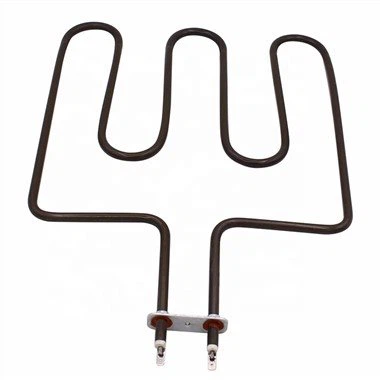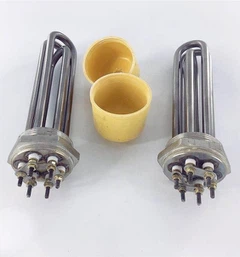
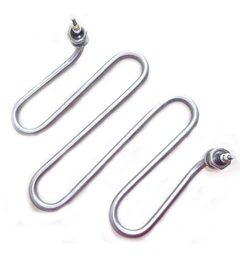
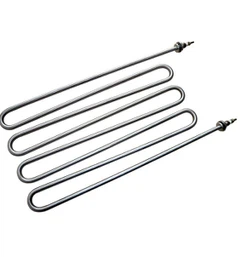











When it comes to the world of furnace heating, the question of compatibility issues when replacing a furnace heating element is a crucial one. As a supplier of furnace heating elements, I've encountered numerous inquiries from customers regarding this very topic. In this blog post, I'll delve into the potential compatibility issues that may arise during the replacement process and provide insights to help you make informed decisions.
Understanding the Basics of Furnace Heating Elements
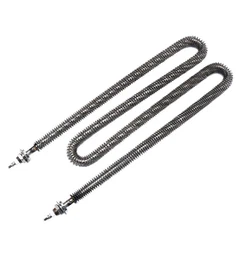
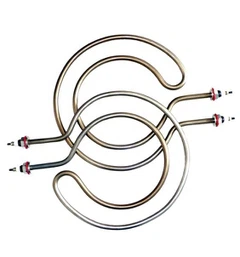
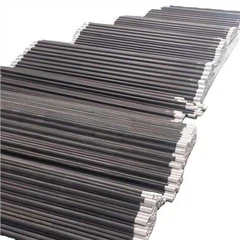
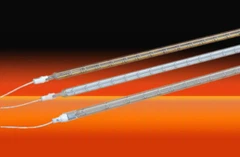
Before we discuss compatibility issues, it's essential to understand the different types of furnace heating elements available in the market. Some of the common types include SiC Heating Element For Electric Furnace, Molybdenum disilicide heating element, and H Type Silicon Carbide Heating Element. Each type has its own unique characteristics, such as temperature range, resistance, and durability, which can significantly impact its compatibility with a specific furnace.
Compatibility Factors to Consider
Electrical Compatibility
One of the primary factors to consider when replacing a furnace heating element is electrical compatibility. The heating element must be able to handle the electrical current and voltage supplied by the furnace. If the element has a higher or lower resistance than the original element, it can lead to issues such as overheating, underheating, or even damage to the furnace's electrical system. It's crucial to match the electrical specifications of the new element with those of the original element to ensure proper functioning.
Physical Dimensions
The physical dimensions of the heating element are also important for compatibility. The element must fit properly within the furnace's heating chamber. If the element is too large or too small, it may not be able to transfer heat efficiently, leading to uneven heating or reduced performance. Additionally, the mounting mechanism of the element must be compatible with the furnace to ensure a secure installation.
Temperature Range
Different furnaces operate at different temperature ranges, and the heating element must be able to withstand the specific temperatures required by the furnace. For example, some high-temperature furnaces may require elements that can operate at temperatures above 1000°C, while others may operate at lower temperatures. Using an element that is not designed for the required temperature range can result in premature failure or reduced performance.
Chemical Compatibility
In some cases, the furnace may be used to heat materials that can react with the heating element. For example, certain chemicals or gases may corrode the element, leading to its degradation over time. It's important to consider the chemical environment in which the furnace operates and choose a heating element that is resistant to the specific chemicals or gases present.
Potential Compatibility Issues and Solutions
Mismatched Electrical Specifications
If the electrical specifications of the new heating element do not match those of the original element, it can lead to several issues. For example, if the element has a lower resistance than the original, it may draw more current, causing the furnace's electrical system to overload. On the other hand, if the element has a higher resistance, it may not generate enough heat, resulting in poor performance. To avoid these issues, it's important to carefully review the electrical specifications of the new element and ensure that they match those of the original element.
Incorrect Physical Dimensions
If the physical dimensions of the new heating element do not match those of the original element, it can cause problems with installation and performance. For example, if the element is too large, it may not fit properly within the furnace's heating chamber, leading to uneven heating or reduced efficiency. If the element is too small, it may not be able to generate enough heat to meet the furnace's requirements. To ensure a proper fit, it's important to measure the dimensions of the original element and choose a new element that has the same or similar dimensions.
Incompatible Temperature Range
Using a heating element that is not designed for the required temperature range can lead to premature failure or reduced performance. For example, if a low-temperature element is used in a high-temperature furnace, it may not be able to withstand the high temperatures and may break down quickly. On the other hand, if a high-temperature element is used in a low-temperature furnace, it may not be able to generate enough heat to meet the furnace's requirements. To avoid these issues, it's important to choose a heating element that is designed for the specific temperature range of the furnace.
Chemical Incompatibility
If the heating element is not resistant to the chemicals or gases present in the furnace's environment, it can lead to corrosion and degradation over time. For example, if a furnace is used to heat materials that contain sulfur or chlorine, these chemicals can react with the element and cause it to corrode. To avoid chemical compatibility issues, it's important to choose a heating element that is resistant to the specific chemicals or gases present in the furnace's environment.
Conclusion
In conclusion, there are several potential compatibility issues that may arise when replacing a furnace heating element. By considering factors such as electrical compatibility, physical dimensions, temperature range, and chemical compatibility, you can ensure that the new element is a proper fit for your furnace and will provide reliable performance. As a supplier of furnace heating elements, we are committed to providing our customers with high-quality products and expert advice to help them make informed decisions. If you have any questions or need assistance with choosing the right heating element for your furnace, please don't hesitate to contact us for a consultation. We look forward to working with you to meet your furnace heating needs.


References
- "Furnace Heating Element Handbook" - A comprehensive guide to furnace heating elements and their applications.
- "Electrical Engineering Principles for Furnace Systems" - A technical resource on electrical compatibility and safety in furnace systems.
- "Materials Science for Furnace Heating Elements" - A study on the properties and performance of different materials used in furnace heating elements.