

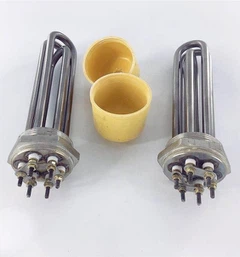
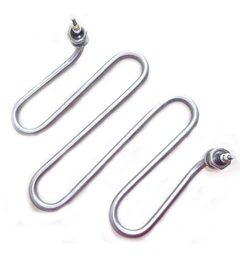
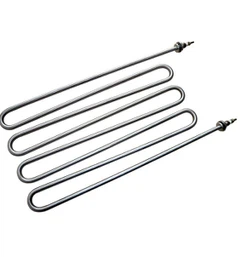


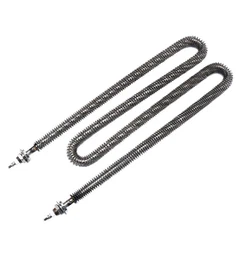



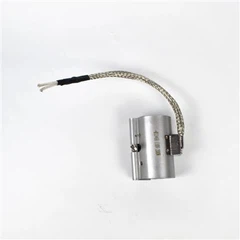

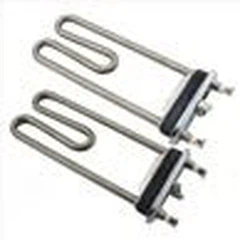
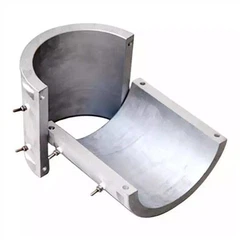





As a trusted Coil Heating Element supplier, I've witnessed firsthand the diverse needs of industries relying on these crucial components. One of the most common inquiries we receive revolves around the difference between straight - coil and bent - coil heating elements. Understanding these differences is crucial for making informed decisions that can significantly impact the efficiency, performance, and longevity of your heating systems.
Structural Design
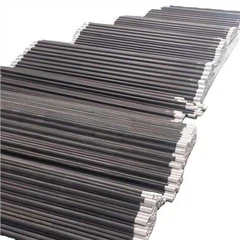
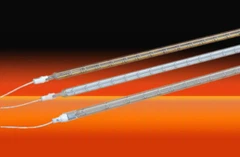
The most obvious difference between straight - coil and bent - coil heating elements lies in their physical shape. A straight - coil heating element, as the name suggests, features a linear configuration. The coil is wound in a helix along a straight axis, resulting in a simple and straightforward design. This design is often used in applications where a uniform, linear heat distribution is required or where space allows for a linear installation.
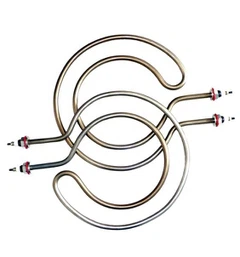
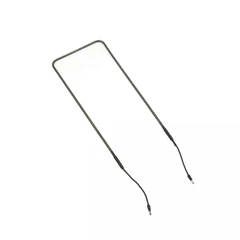
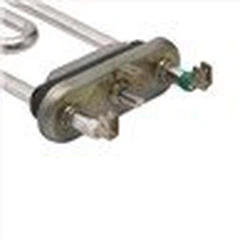
On the other hand, bent - coil heating elements have a more complex shape. They are crafted by bending the straight - wound coil into various forms, such as U - shapes, Ω - shapes, or custom geometries. This flexibility in design allows bent - coil heating elements to fit into spaces and applications where a straight - coil simply won't work, enabling more efficient use of available space within a heating system.
Installation and Space Considerations
Installation is a factor where the two types of heating elements diverge significantly. Straight - coil heating elements are straightforward to install, especially in systems with linear cavities or channels. Their simple design means that there are fewer variables during the installation process, reducing the likelihood of errors. They are the go - to option for applications where rapid and hassle - free installation is a priority, such as in some industrial ovens or basic heating equipment.
Bent - coil heating elements, however, require more careful planning during installation. Their non - linear shape means that they must be precisely positioned to ensure proper fit and function. This can make the installation process more time - consuming and may require more skilled labor. But the trade - off is that bent - coil heating elements can be installed in tight, irregular spaces where a straight - coil would be impractical or impossible to use. For instance, in Hot Runner Nozzle Heater applications, bent - coil heating elements can be custom - shaped to fit around the nozzles, providing efficient and targeted heating.
Heat Distribution and Efficiency
Heat distribution is another area where straight - coil and bent - coil heating elements have distinct characteristics. Straight - coil heating elements tend to provide a more uniform heat distribution along the length of the coil. This makes them ideal for applications where a consistent temperature is required over a linear area, such as in some types of conveyor belt heaters or long, narrow heating zones.
Bent - coil heating elements, due to their shape, can be designed to concentrate heat in specific areas. By strategically bending the coil, heat can be directed towards critical components or areas that require more intense heating. This targeted heat distribution can lead to increased energy efficiency, as less heat is wasted in areas where it is not needed. For example, Embedded Style Hot Runner Coil Heaters often use bent - coil designs to provide precise heating to the runner system, ensuring that the molten plastic remains at the optimal temperature throughout the injection molding process.
Application Suitability
The suitability of straight - coil and bent - coil heating elements depends largely on the specific application. Straight - coil heating elements are commonly used in large - scale industrial heating processes, such as in heat treatment furnaces, where the large, open spaces can accommodate their linear design. They are also popular in some consumer appliances, like hair dryers or toasters, where a simple, cost - effective heating solution is required.
Bent - coil heating elements find their niche in applications that demand custom - shaped heating solutions. In the automotive industry, they are used in engine pre - heaters and fuel line heaters, where the irregular shapes of engine compartments require a flexible heating element design. The High temperature spring coil heater is a prime example of a bent - coil application, as it can be shaped to fit the unique requirements of high - temperature environments.
Durability and Maintenance
Durability is an important consideration when choosing between straight - coil and bent - coil heating elements. Straight - coil heating elements generally have a simpler structure, which can make them more resistant to mechanical stress and vibration. Their linear design means that there are fewer bends or curves where the coil could potentially break or become damaged over time. This can result in a longer service life and lower maintenance requirements in some applications.
However, bent - coil heating elements, when properly designed and manufactured, can also offer excellent durability. The key is to ensure that the bends are made with precision and that the coil is supported adequately to prevent stress concentration. In some cases, the custom - shaped design of bent - coil heating elements can actually enhance their durability by allowing them to better withstand the specific operating conditions of an application.
Maintenance for both types of heating elements typically involves regular inspections for signs of wear, damage, or insulation degradation. However, due to the more complex shape of bent - coil heating elements, inspections may require more attention to detail to ensure that all areas of the coil are in good condition.
Cost Considerations
Cost is always a significant factor in any purchasing decision. Straight - coil heating elements are generally less expensive to manufacture because of their simpler design. The manufacturing process for straight - coils requires less complex machinery and labor, which can translate into lower costs for the end - user. They are often the preferred choice for applications where budget constraints are a major concern.


Bent - coil heating elements, on the other hand, are typically more expensive. The additional steps involved in bending the coil, along with the potential need for custom tooling and design work, increase the overall manufacturing cost. However, in applications where their unique properties, such as space - saving design or targeted heat distribution, are essential, the higher cost may be justified by the increased performance and efficiency they offer.
Conclusion
In conclusion, the choice between a straight - coil and a bent - coil heating element depends on a variety of factors, including installation requirements, heat distribution needs, application suitability, durability, and cost. As a Coil Heating Element supplier, we understand the importance of these factors and are committed to helping our customers make the best choice for their specific applications.
Whether you need a simple, cost - effective straight - coil for a large - scale industrial process or a custom - shaped bent - coil for a specialized application, we have the expertise and resources to provide high - quality heating elements that meet your exact requirements. If you're interested in discussing your needs further or would like to explore our range of heating elements, we encourage you to contact us. Our team of experts is ready to assist you in finding the perfect solution for your heating system.
References
- "Industrial Heating Handbook", Second Edition, by Thomas F. Edgar, David M. Himmelblau, and Larry S. Lasdon.
- "Heating Elements: Design, Materials, and Applications" by various industry experts in the field of heating technology.
- Technical documentation from leading manufacturers of coil heating elements.


