












Hey there! As a supplier of boiler heating elements, I often get asked about the difference between single - coil and multi - coil boiler heating elements. So, I thought I'd write this blog to break it down for you.


Let's start with the basics. A boiler heating element is a crucial part of any boiler system. It's responsible for heating the water or other fluids in the boiler, making it essential for things like hot water supply and central heating.
Single - Coil Boiler Heating Elements
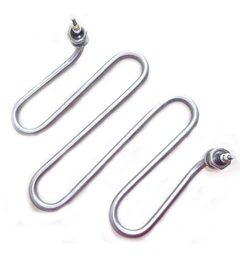
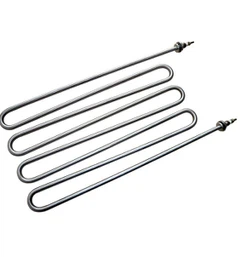
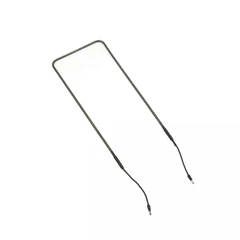
Single - coil boiler heating elements are exactly what they sound like – they have a single heating coil. These elements are pretty straightforward in design. They're simple and often more affordable compared to multi - coil elements.
One of the main advantages of single - coil elements is their simplicity. There's less to go wrong, which means they're generally more reliable in the long run. They're also easier to install and maintain. If something goes wrong, it's usually easier to diagnose and fix the issue with a single - coil element.
However, single - coil elements do have some limitations. They typically have a lower power output compared to multi - coil elements. This means they might take longer to heat up the water in the boiler. If you have a large boiler or a high demand for hot water, a single - coil element might not be able to keep up.
For example, in a small residential boiler used for just one or two bathrooms, a single - coil element might work just fine. But in a commercial setting, like a hotel or a large office building, it probably won't be sufficient.
Multi - Coil Boiler Heating Elements
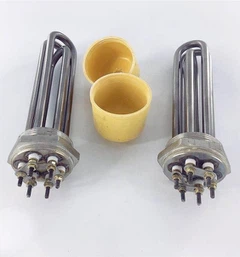
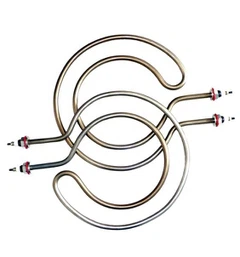
Multi - coil boiler heating elements, on the other hand, have multiple heating coils. This design allows them to have a higher power output. They can heat up water much faster than single - coil elements, which is great for high - demand applications.
In a commercial building, a multi - coil element can quickly heat up a large volume of water, ensuring that there's always enough hot water for everyone. They're also more energy - efficient in some cases. Since they can heat the water faster, they don't have to run for as long, which can save on energy costs in the long run.
But multi - coil elements are more complex. They have more parts, which means there's a higher chance of something going wrong. Installation and maintenance can also be more challenging. You might need a more experienced technician to work on a multi - coil element.
Performance Comparison
When it comes to performance, multi - coil elements have the upper hand in terms of speed and power. They can heat water much faster, which is crucial in situations where you need a lot of hot water quickly. For instance, in a restaurant kitchen where they need to wash a large number of dishes at once, a multi - coil element in the boiler can ensure that there's always hot water available.
Single - coil elements, on the other hand, are better for smaller, less demanding applications. They're reliable and cost - effective for residential use where the demand for hot water is relatively low.
Cost Considerations
Cost is always an important factor when choosing a boiler heating element. Single - coil elements are generally cheaper to purchase and install. They're a great option if you're on a tight budget or if you only need a basic heating solution.
Multi - coil elements are more expensive upfront. But when you consider their energy - saving potential and their ability to meet high - demand situations, the long - term cost might be worth it. In a commercial setting, the increased efficiency and performance can lead to significant savings over time.
Applications
As I mentioned earlier, single - coil elements are ideal for small residential boilers. They're also suitable for small businesses with low hot water requirements, like a small hair salon or a home - based office.
Multi - coil elements are perfect for large residential buildings, commercial buildings, and industrial applications. They can handle the high demand for hot water in hotels, hospitals, factories, and large restaurants.
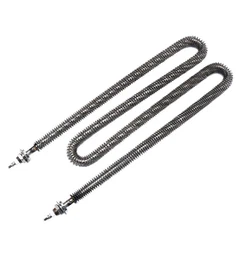
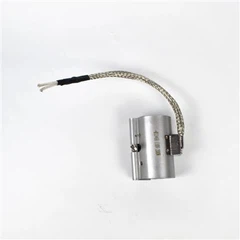
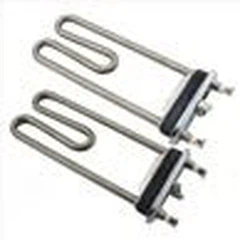
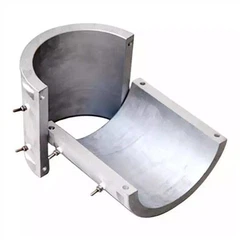
If you're in the market for a boiler heating element, we offer a wide range of options. Check out our Instant water heater coil heater, Stainless steel flanged immersion heater, and Electric boiler heating element for more details.
Conclusion
In conclusion, the choice between a single - coil and multi - coil boiler heating element depends on your specific needs. If you have a small application with low hot water demand, a single - coil element is a great choice. It's simple, reliable, and cost - effective.
But if you have a large - scale application with high hot water requirements, a multi - coil element is the way to go. It offers higher power, faster heating, and better energy efficiency.
If you're still not sure which type of element is right for you, don't hesitate to reach out. We're here to help you make the best decision for your boiler system. Whether you're a homeowner looking to upgrade your hot water system or a business owner in need of a reliable heating solution, we've got you covered. Let's have a chat about your requirements and find the perfect boiler heating element for you.
References
- Smith, J. (2020). Boiler Heating Elements: A Comprehensive Guide. Heating Technology Press.
- Johnson, A. (2019). The Future of Boiler Heating Systems. Energy Efficiency Journal.


