

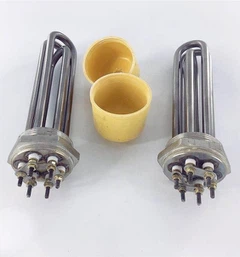
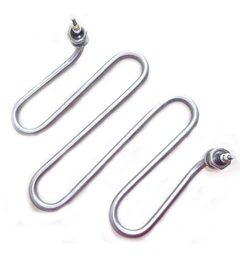
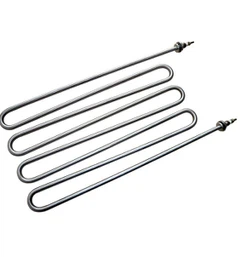


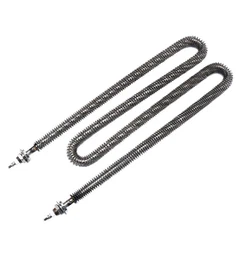









Hey there! As a supplier of kettle heating elements, I've been getting a lot of questions lately about the difference between concealed and exposed kettle heating elements. So, I thought I'd take a few minutes to break it down for you.
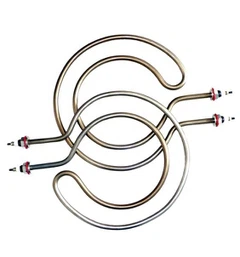
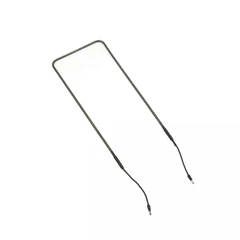
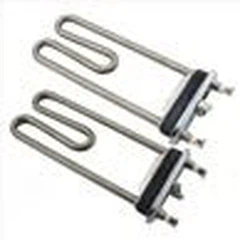
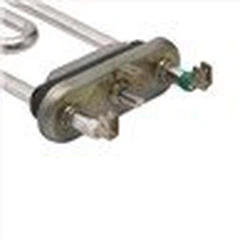
Let's start with the exposed kettle heating element. This type of heating element is pretty much what it sounds like - it's out in the open, usually sitting at the bottom of the kettle. You can see it when you look inside the kettle. One of the big advantages of an exposed heating element is its speed. Because it's directly in contact with the water, it can transfer heat really efficiently. That means your water boils faster, which is great if you're in a hurry to make a cup of coffee or tea.
Another plus is that exposed heating elements are generally cheaper to produce. This often translates into a lower price for the consumer. If you're on a budget and just need a basic kettle that gets the job done, an exposed element kettle might be the way to go.
However, there are also some downsides. Exposed heating elements are more prone to limescale buildup. Since they're directly exposed to the water, minerals in the water can stick to the element over time. This not only affects the efficiency of the heating element but can also give your water an off - taste. You'll have to descale the kettle more frequently to keep it working well. And if you don't descale regularly, the limescale can cause the element to overheat and eventually burn out.
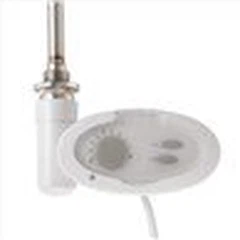
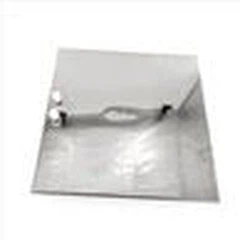
Now, let's talk about concealed kettle heating elements. These are hidden away, usually under a plate at the bottom of the kettle. One of the main benefits of a concealed element is its cleanliness. Because the element isn't directly exposed to the water, limescale buildup is less of a problem. Even if limescale does form, it's easier to clean since it's on the plate rather than on the element itself.
Concealed elements also tend to be more durable. They're protected from physical damage, like being knocked or scratched, which can happen with exposed elements. This means your kettle is likely to last longer. And from an aesthetic point of view, many people prefer the look of a kettle with a concealed element. It gives the kettle a cleaner, more modern appearance.
But there are a few drawbacks too. Concealed elements are more expensive to manufacture, so kettles with them are usually pricier. And because the heat has to transfer through the plate, they might take a little longer to boil water compared to exposed elements.
So, which one should you choose? Well, it really depends on your needs and preferences. If you're looking for a fast - boiling, budget - friendly option and don't mind doing a bit of extra cleaning, an exposed element kettle could be perfect for you. On the other hand, if you want a kettle that's easy to clean, more durable, and has a sleek look, even if it costs a bit more and takes a little longer to boil, a concealed element kettle is the way to go.
As a supplier, we offer a wide range of both concealed and exposed kettle heating elements. Whether you're a manufacturer looking to source high - quality components for your kettles or a retailer wanting to stock up on reliable heating elements, we've got you covered.
If you're interested in our Boil Kettle Heating Element, Water Kettle Heating Element, or Tea Kettle Heating Element, just reach out to us. We're always happy to have a chat about your requirements and see how we can help you. We can provide samples, discuss pricing, and work out the best solution for your business.
In conclusion, both concealed and exposed kettle heating elements have their pros and cons. By understanding the differences, you can make an informed decision that suits your needs. So, don't hesitate to get in touch if you're in the market for a great kettle heating element.
References


- Industry reports on kettle manufacturing
- Consumer reviews of different kettle types


