













Hey there, fellow brewing enthusiasts! As a supplier of top - notch brewing heating elements, I often get asked a really interesting question: "Can I connect multiple brewing heating elements together?" Today, I'm gonna break this topic down for you.
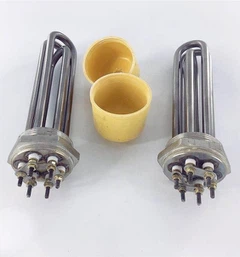
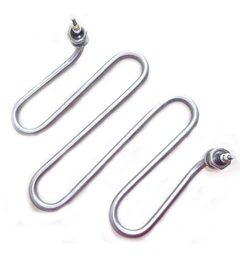
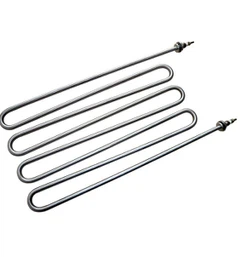
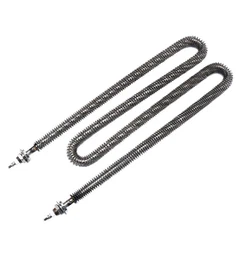
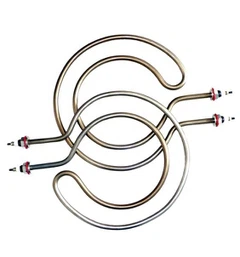
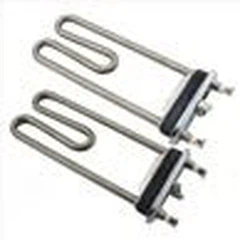
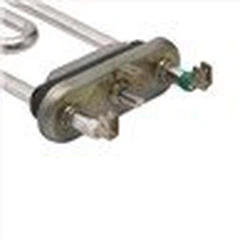
First off, let's understand what brewing heating elements are. They're essential components in the brewing process, responsible for heating water and other brewing ingredients to the right temperatures. We offer a wide range of these babies, like the Electric Brewing Heating Element and the 3.6kw Beer Brewing Incoloy Heating Element. These elements come in different power ratings and styles, each designed to meet specific brewing needs.
Now, back to the main question. The short answer is yes, you can connect multiple brewing heating elements together, but there are a bunch of things you need to consider.
Electrical Considerations
One of the most important things is the electrical system you're working with. Every electrical setup has a limit to how much power it can handle. This is usually measured in amps. If you connect too many high - power heating elements together, you could overload your electrical circuit. That means tripping breakers, blowing fuses, or even causing a fire hazard.
Let's say you have a 4500 W Heating Element For Home Brewing. If you want to connect another one of the same power rating, you'll need to make sure your electrical system can handle the combined power of 9000 watts. You can calculate the amperage using the formula: Amps = Watts / Volts. In a standard 120 - volt household circuit, a 4500 - watt element would draw about 37.5 amps. Connect two of them, and you're looking at 75 amps, which is way more than most household circuits can handle. You might need to upgrade to a 240 - volt circuit or use a dedicated electrical panel for your brewing setup.
Connection Types
There are two main ways to connect multiple heating elements: in series and in parallel.
Series Connection
When you connect heating elements in series, you're essentially creating a single path for the electrical current to flow through all the elements. The total resistance of the circuit increases, and the voltage across each element is divided. This means that each element will receive less power than it would if it were connected alone.


The downside of a series connection is that if one element fails, the whole circuit will stop working. Also, it can be tricky to get the right balance of power across all the elements, especially if they have different power ratings.
Parallel Connection
Connecting elements in parallel is usually a better option. In a parallel circuit, each element has its own direct connection to the power source. This means that each element receives the full voltage of the power source, and the total current in the circuit is the sum of the currents through each element.
The advantage of a parallel connection is that if one element fails, the others will still work. It's also easier to manage the power distribution, as each element operates independently. However, you still need to make sure that your electrical system can handle the total current draw of all the elements.
Brewing Process Considerations
Beyond the electrical stuff, you also need to think about how connecting multiple heating elements will affect your brewing process.
If you're using multiple elements to heat a large volume of liquid, you need to make sure that the heat is distributed evenly. Uneven heating can lead to hot spots, which can cause your wort (the liquid extracted from the mashing process) to burn. This can ruin the flavor of your beer. You might need to use a circulation pump or stir the liquid regularly to ensure even heating.
Another thing to consider is the control of the heating elements. You'll need a reliable way to turn the elements on and off and adjust their power output. Some brewing systems come with built - in controllers that can manage multiple elements, but you might also need to invest in a separate control panel if your system doesn't have this feature.
Safety First
Safety should always be your top priority when working with electrical equipment. Make sure you follow all the safety guidelines when installing and using multiple heating elements. This includes using proper electrical wiring, grounding the elements, and installing safety switches.
If you're not confident in your electrical skills, it's a good idea to hire a professional electrician to help you with the installation. They can make sure that everything is set up correctly and safely.
Benefits of Connecting Multiple Elements
Despite all the considerations, there are some great benefits to connecting multiple brewing heating elements.
First of all, you can increase the heating power of your brewing system. This means that you can heat up your brewing liquids faster, which can save you a lot of time, especially if you're brewing large batches.
Secondly, it gives you more flexibility in your brewing process. You can use different elements at different stages of the brewing process. For example, you might use one element for mashing at a lower temperature and another for boiling at a higher temperature.
Our Products and Support
As a brewing heating element supplier, we've got a great selection of elements that are suitable for both single and multiple - element setups. Our Electric Brewing Heating Element is a popular choice for many home brewers. It's reliable, efficient, and easy to install.
If you're thinking about connecting multiple elements, we're here to help. We can provide you with technical advice on sizing, connection types, and safety. We also offer high - quality elements like the 3.6kw Beer Brewing Incoloy Heating Element and 4500 W Heating Element For Home Brewing that are designed to work well together.
If you have any questions or are interested in purchasing our brewing heating elements, don't hesitate to reach out. We're always happy to discuss your brewing needs and help you find the right solution.
References
- Electrical Safety Standards for Home Brewing Equipment. National Electrical Code.
- Brewing Science and Technology. Textbook on brewing processes and equipment.


