












Can ceramic heating elements be used in aerospace applications? That's a question I've been asked a bunch of times as a supplier of ceramic heating elements. And let me tell you, it's a super interesting topic.
First off, let's talk a bit about what ceramic heating elements are. They're basically heaters made from ceramic materials. These materials have some pretty cool properties. For one, they can handle high temperatures. Ceramics can withstand heat that would melt a lot of other materials. This is because of their strong atomic bonds. When heated, the atoms in ceramics don't move around as easily as in metals, so they can maintain their structure at high temps.
Another great thing about ceramic heating elements is their efficiency. They heat up quickly and can transfer heat effectively. This is due to their relatively high thermal conductivity. When you turn on a ceramic heating element, it doesn't take long for it to reach the desired temperature. And once it's hot, it can transfer that heat to whatever it's supposed to heat, like a fluid or a solid object, pretty fast.
Now, let's get to the main question: can they be used in aerospace applications? Well, the aerospace industry has some really strict requirements. The environment up there is harsh. There are extreme temperatures, from the freezing cold of space to the high heat generated during re - entry. There's also radiation, and the need for lightweight materials.
In terms of temperature, ceramic heating elements are a great fit. As I mentioned earlier, they can handle high temperatures. For example, during re - entry, the heat shield of a spacecraft gets incredibly hot. Ceramic heating elements could potentially be used in systems that need to pre - heat or maintain a certain temperature within the spacecraft. They could be part of a thermal management system that keeps critical components at the right temperature.
Radiation is another concern in space. Ceramics are relatively resistant to radiation. Unlike some metals that can degrade or change their properties when exposed to radiation, ceramics tend to be more stable. This makes them a good candidate for use in aerospace electronics that need heating elements. For instance, in satellites, there are electronic components that need to be kept at a specific temperature to function properly. A ceramic heating element could be used to provide that heat without being significantly affected by the radiation in space.
Weight is also a huge factor in aerospace. Every extra pound adds to the cost of launching a spacecraft. Ceramic heating elements are lightweight compared to some other heating options. They don't add a lot of extra mass, which is a big plus for aerospace engineers. They can use these elements without having to worry too much about increasing the overall weight of the spacecraft.
Let's take a look at some specific aerospace applications where ceramic heating elements could be used.
One area is in the fuel systems of rockets. Rocket fuel needs to be at the right temperature to burn efficiently. Ceramic heating elements could be used to pre - heat the fuel before it enters the combustion chamber. This would improve the combustion process and potentially increase the rocket's performance.
In spacecraft cabins, maintaining a comfortable temperature for the crew is essential. Ceramic heating elements could be integrated into the cabin's heating system. They could heat the air or the surfaces inside the cabin quickly and efficiently.
Now, I know what you might be thinking. Are there any drawbacks? Well, like any technology, there are some challenges. One issue is the brittleness of ceramics. They can crack or break if they're subjected to sudden shocks or vibrations. In an aerospace environment, there are a lot of vibrations during launch and re - entry. Engineers would need to design systems that can protect the ceramic heating elements from these vibrations.


Another challenge is the cost. Developing and manufacturing high - quality ceramic heating elements for aerospace applications can be expensive. But when you consider the benefits they offer, like their high temperature resistance, radiation resistance, and lightweight nature, the cost might be worth it in the long run.
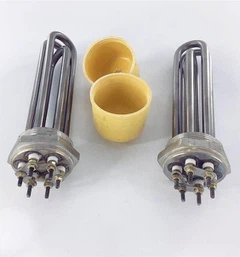
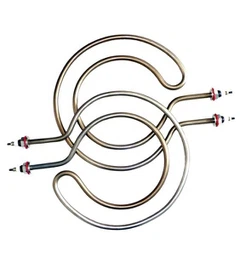
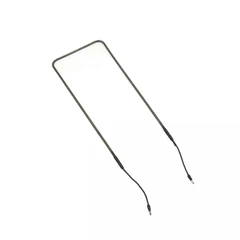
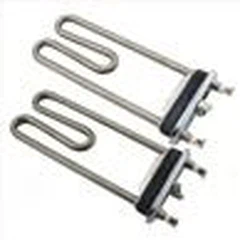
As a supplier of ceramic heating elements, I've seen a growing interest in using our products in aerospace. We offer a variety of ceramic heating elements that could potentially be used in these applications. For example, our Channel strip heater for industry is a great option for applications where a long, narrow heating element is needed. It can be customized to fit different aerospace systems.
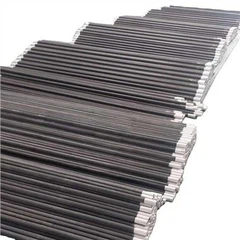
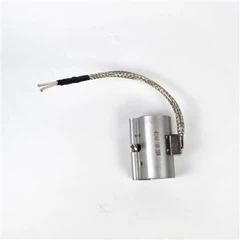
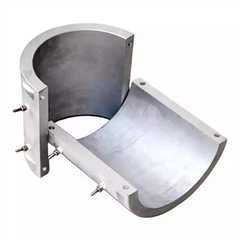
Our Ceramic Band Heater For Pelletizer could also be adapted for aerospace use. It's designed to provide uniform heating around a circular object, which could be useful in some aerospace components.
And our Micro Ceramic Heating Element is perfect for small - scale aerospace applications, like in electronic devices on satellites.
If you're in the aerospace industry and you're looking for reliable ceramic heating elements, I'd love to talk to you. We have a team of experts who can work with you to design and develop the right heating solutions for your specific needs. Whether it's a custom - made element or a standard product, we've got you covered.
In conclusion, ceramic heating elements have a lot of potential in aerospace applications. Their unique properties make them well - suited for the harsh environment of space. While there are some challenges to overcome, the benefits they offer make them a viable option for aerospace engineers. So, if you're involved in aerospace and need heating solutions, don't hesitate to reach out. Let's work together to make your aerospace projects a success.
References
- "Materials Science for Aerospace Applications" - A textbook on materials used in aerospace.
- "Thermal Management in Spacecraft" - Research papers on how to manage temperature in space.


