



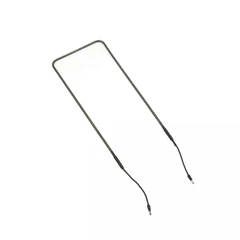

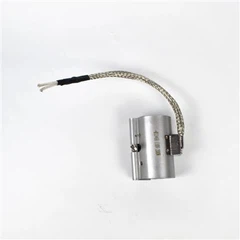

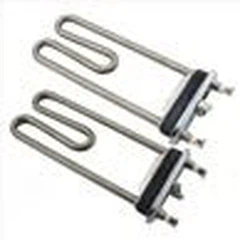
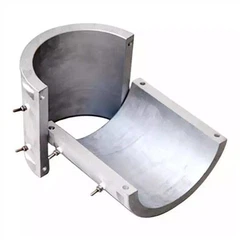







Description
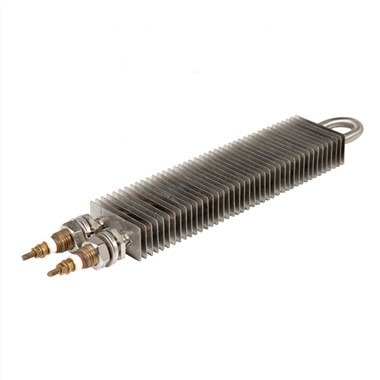
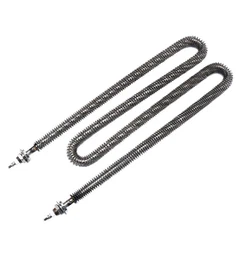
The sheath material of air finned heater element and its watt density are critical factors which affect its durability. The standard finned tubular heaters are made of steel sheath and steel fins (750°F maximum surface temperature) ,since steel is very efficient in heat transfer. Air finned heater element can be applied to corrosive environments or high-temperature applications (above 750°F).
The finned heater element requires an appropriate airflow to achieve optimal performance. The reasons are as follows:
1.Heat dissipation: Appropriate airflow helps to disperse the heat. When the finned heater is operating, the heat is transferred to the surrounding air or gas. If there is not enough airflow, the heat will accumulate around the heater, causing overheating and potentially damaging the heater and surrounding components.
2. Prevention of hotspots: Adequate airflow helps prevent the formation of hotspots on the surface of the heater. Hotspots occur when the heat distribution is uneven, resulting in high temperatures in certain areas. Appropriate airflow ensures that the heat is evenly distributed.
3. Efficient Heat Transfer: The airflow facilitates effective heat exchange between the heater and the surrounding environment. By enhancing convective heat transfer, the airflow helps to distribute heat more efficiently, ensuring that the entire heated area reaches the desired temperature promptly.

Steel finned units are then furnace brazed, bonding the fins to the sheath to increase conductive efficiency. This allows higher wattage levels to be achieved in the same flow area and produces lower sheath temperatures prolonging heater life. For higher temperature or more corrosive applications, stainless steel fins securely wound on alloy sheath are available. Application conditions such as vibration and toxic/flammable media should be taken into consideration when installing heaters. Protective coatings are available for use on steel finned heaters for mildly corrosive or high humidity applications.
In the dynamic and demanding landscape of the food processing industry, keep precise temperature control is important for ensuring product quality, safety, and compliance with industry standards. Finned heaters emerge as indispensable components in this sector, playing a crucial role in various stages of food processing.
Finned heaters are specialized heating elements designed with extended surfaces, or fins, to enhance heat transfer efficiency. They have application in the food processing industry, where precise and controlled heating is essential.
Finned heater element contribute significantly to several critical processes within the food processing sector: They are employed to heat liquids, sauces, and various ingredients used in food preparation.
Food drying and dehydration are common techniques for preserving perishable goods. Finned heaters facilitate these processes by supplying uniform and efficient heat to remove moisture from fruits, vegetables, and other food items.Finned heaters are also components in ovens and baking equipment. They promise even heat distribution, contributing to consistent baking results in bread, pastries, and other baked goods.In the frying process, it keep correct oil temperature to get the desired texture and taste.

Finned heaters are designed with various functions and mechanisms to reduce the risks of overheating and thermal damage. They achieve this goal in the following ways:
1. Thermal protection device: Many finned heaters are equipped with built-in thermal protection devices, such as thermal fuses or temperature sensors, to monitor the temperature of the heating elements. If the temperature exceeds a specific threshold, these devices will automatically cut off the power supply of the heater to prevent overheating.
2. Temperature control system: some finned heaters integrate temperature control systems, such as thermostats or temperature controllers, which can adjust the power output of the heater according to the required temperature settings. This helps maintain a consistent temperature level and prevent overheating.
3. Optimized design: The finned heater has been optimized to dissipate heat efficiently and evenly in the surface area of the heating element. Fins increase the surface area available for heat transfer, allowing heat to be distributed more effectively and reducing the risk of local hotspots.
4. Insulation: Finned heaters can insulate heat to minimize heat loss and prevent the outer surface from becoming too hot to touch. Thermal insulation materials help retain heat within the heating elements and reduce the risk of thermal damage to surrounding components or materials.
5. Airflow management: Appropriate airflow is crucial for cooling finned heaters and preventing overheating. Adequate ventilation and airflow around the heater help dissipate heat and maintain the optimal working temperature. In some applications, fans or blowers can be used to enhance airflow and provide cooling.
6. High-quality materials and structure: The finned heaters are manufactured using high-quality materials and robust construction techniques to ensure durability and reliability under harsh operating conditions. This includes choosing materials with high heat resistance and combining them with the ability to withstand thermal expansion and contraction.
By integrating these functions and design considerations, finned heaters can effectively reduce the risk of overheating and thermal damage, ensuring safe and reliable operation in a wide range of industrial and commercial applications.
Data Sheet
| Specification | |
| Product name | I/U/W/L/Round tubular fin heating element |
| Rated voltage | 110V/220V/380V/Customizable |
| Leakage current | <0.5MA |
| Power tolerance | ±3% |
| Insulation resistance | 30 Ω |
| Electric strength | Cold state withstand voltage AC working at 1500V 50Hz for 1 minute without breakdown |
| Thermal insulation | AC work 1000V 50Hz for 1 minute without breakdown |

Product Detail

◆ Long service life

● Stable performance

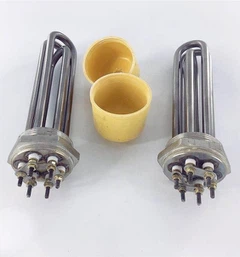
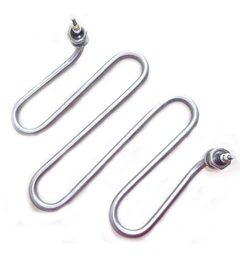
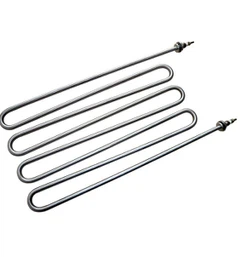
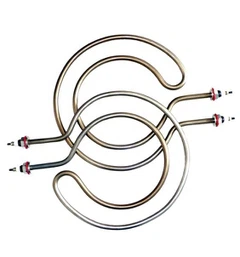
Different specifications, different uses and different shaped of heating tubes can be customized according to your drawings or samples

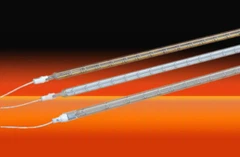
The heating tube of finned heater element
1. Tube diameter: common pipe diameter 6mm, 8mm, 10mm, 12mm, 14mm, 16mm, 20mm, 25mm.
2. Optional material: SUS304, SUS316L, SUS321, 2520(SUS310S), Incoloy 800, Incoloy 840, etc
Fins
1.Material: 10# carbon steel, SUS304, SUS321, SUS316L.
2.size (fin) : 6-8 mm Φ (3-5 mm), Φ 10-12 mm (5-7 mm), Φ 14-16 mm (6-10 mm).
Fasteners
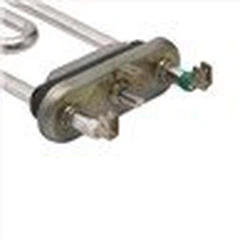
1. Material optional SUS304, SUS201, 10# steel, copper, etc.
2. size: diameter Φ 10 (M16), 12 (M18) Φ, Φ 16 (M22), 18 (m2-m24), Φ Φ 20 (M27).
3.Length of fastener tooth passage: Select the appropriate length of tooth passage according to the actual situation.
Related Blog
Air finned heater pressure loss
How to maintain good performance of finned heater?
Air finned heater overhaul process
Hot Tags: 6kw air finned heater element, China, suppliers, manufacturers, factory, customized, wholesale, free sample, made in China, Tubular and Finned Tubular Heaters, finned tubular air heating element, Stainless Steel 304 Durable Finned Heating Element, Explosion Proof Finned Air Heater Element, Durable U Shaped Heater Finned Tubular heating element, Air Heating Tubular Elements with fins